
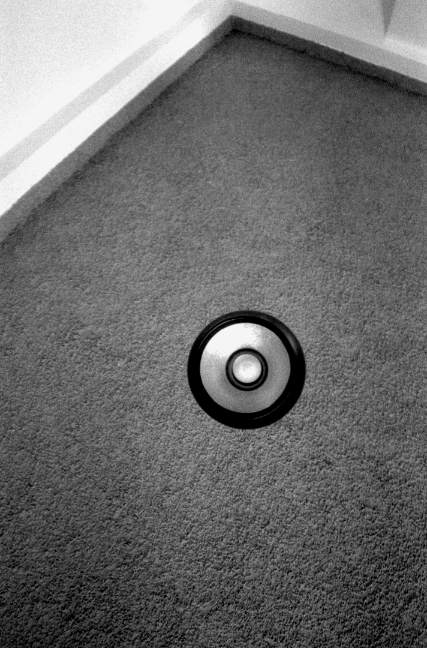
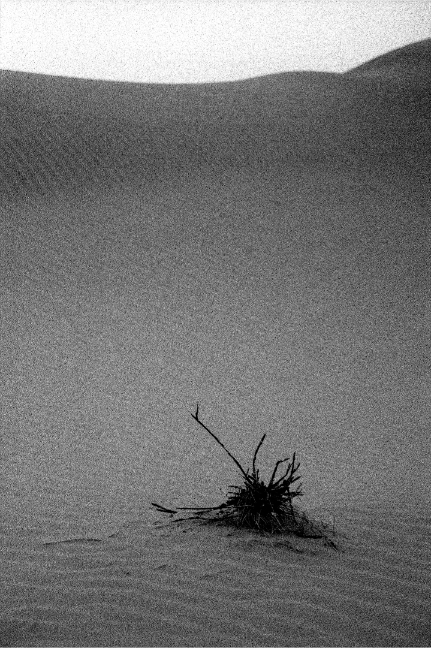
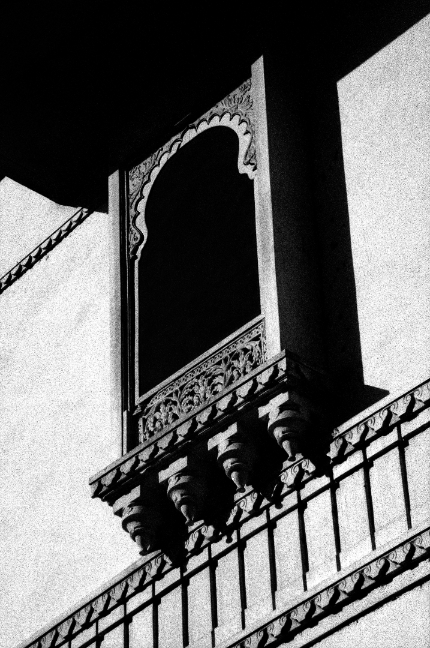
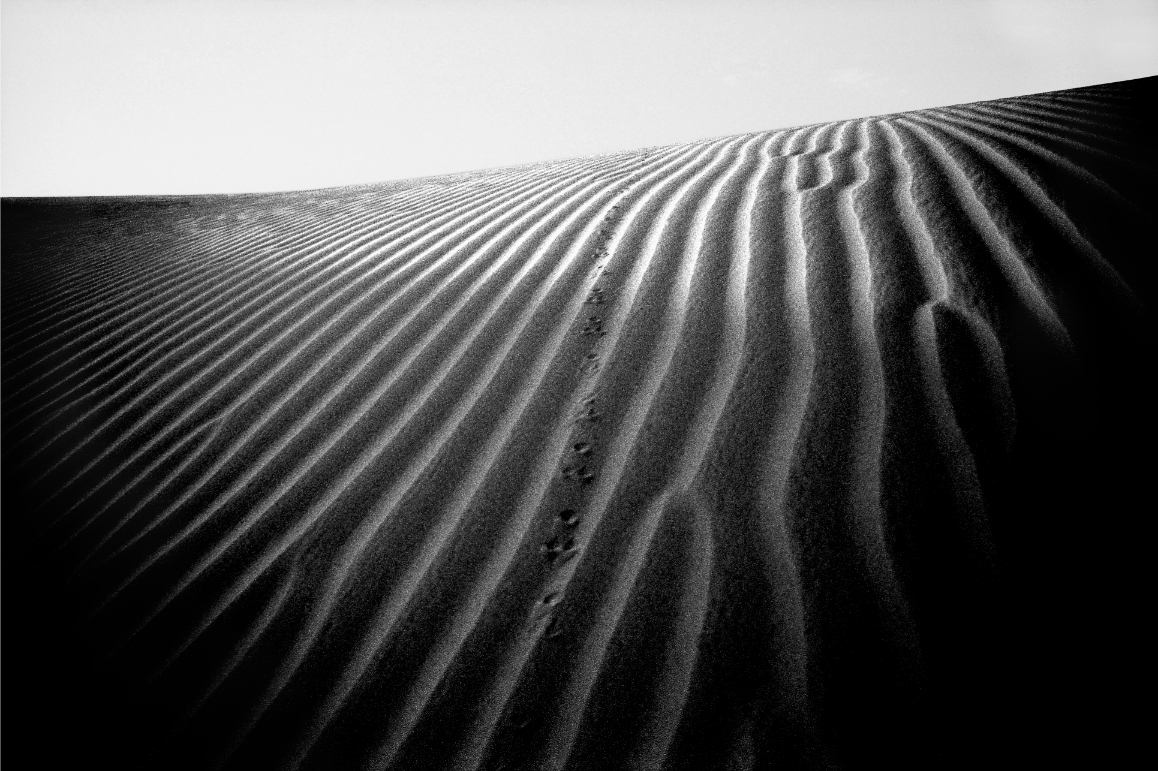
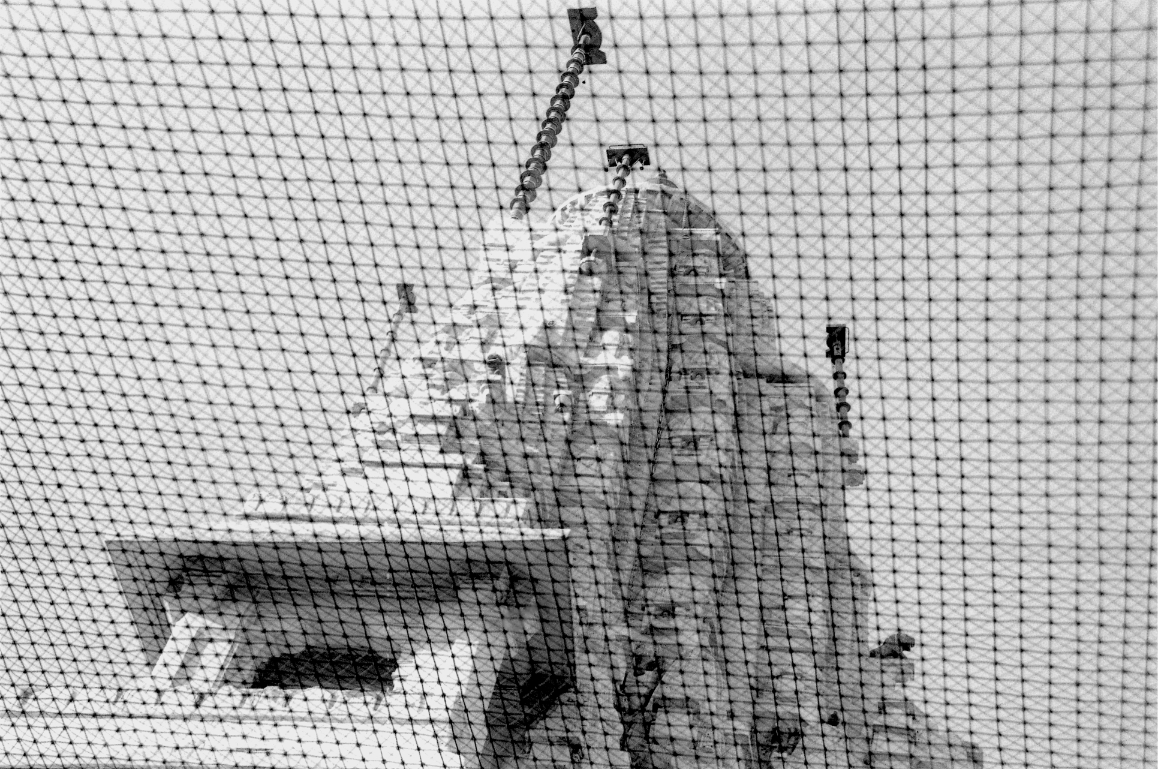
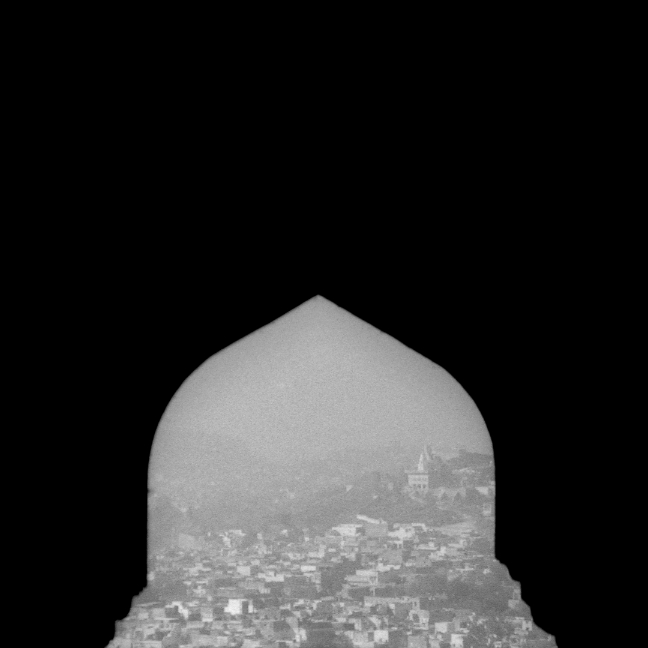
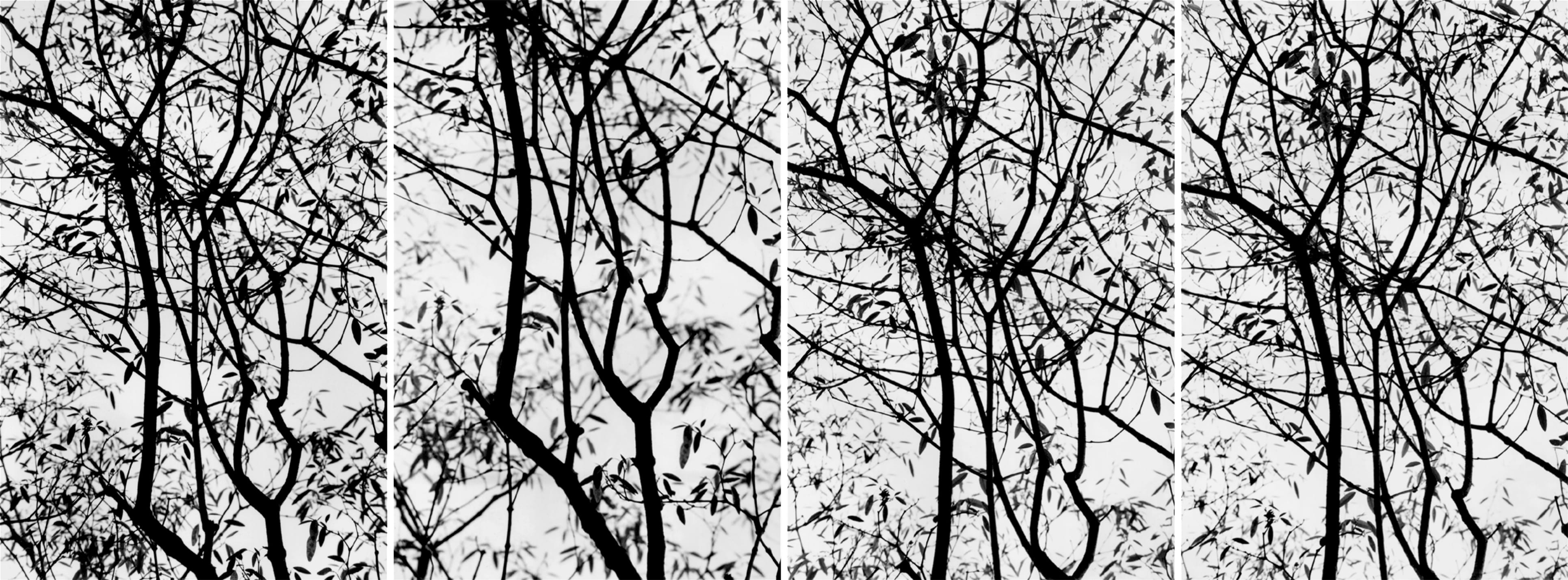
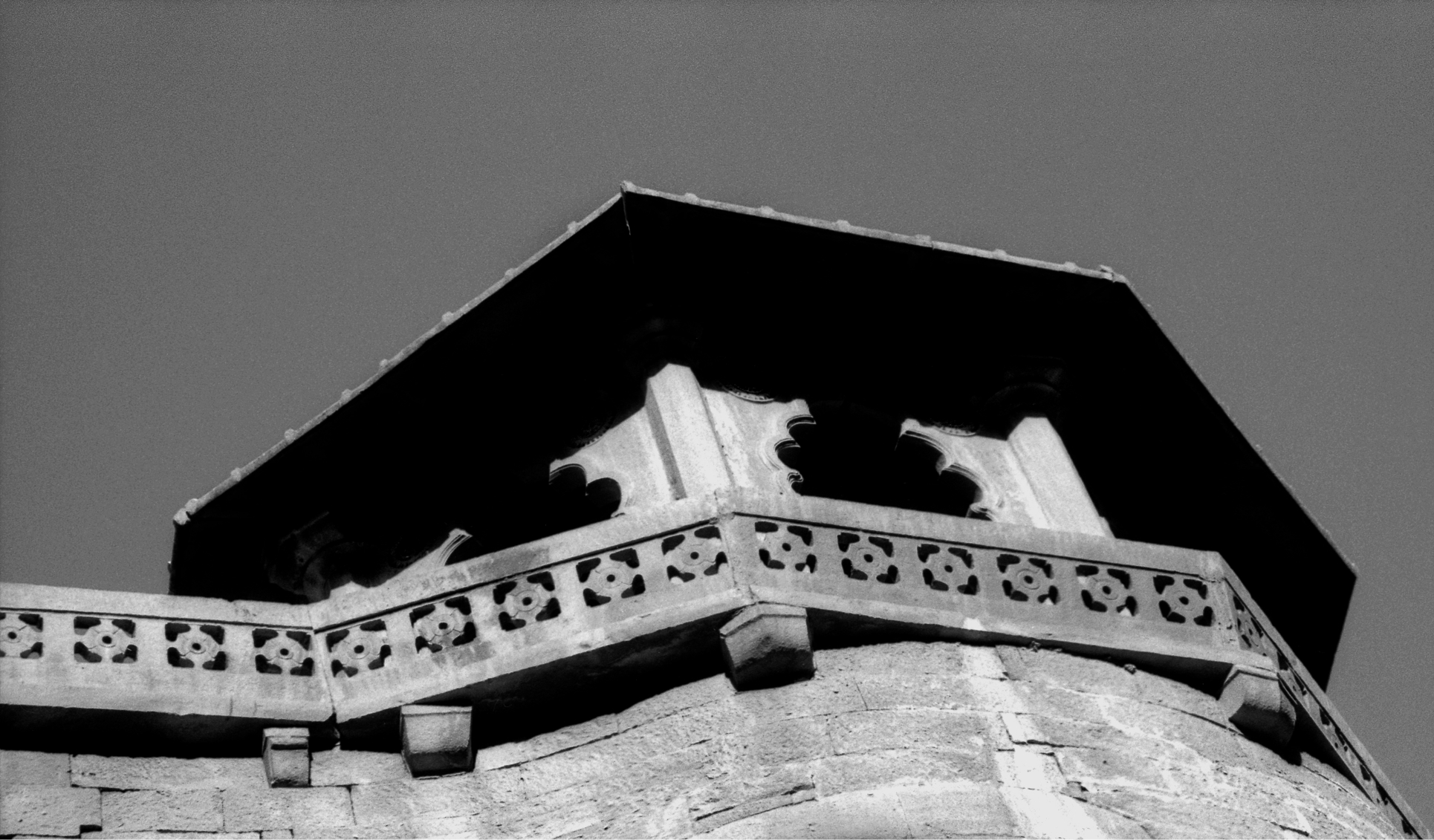
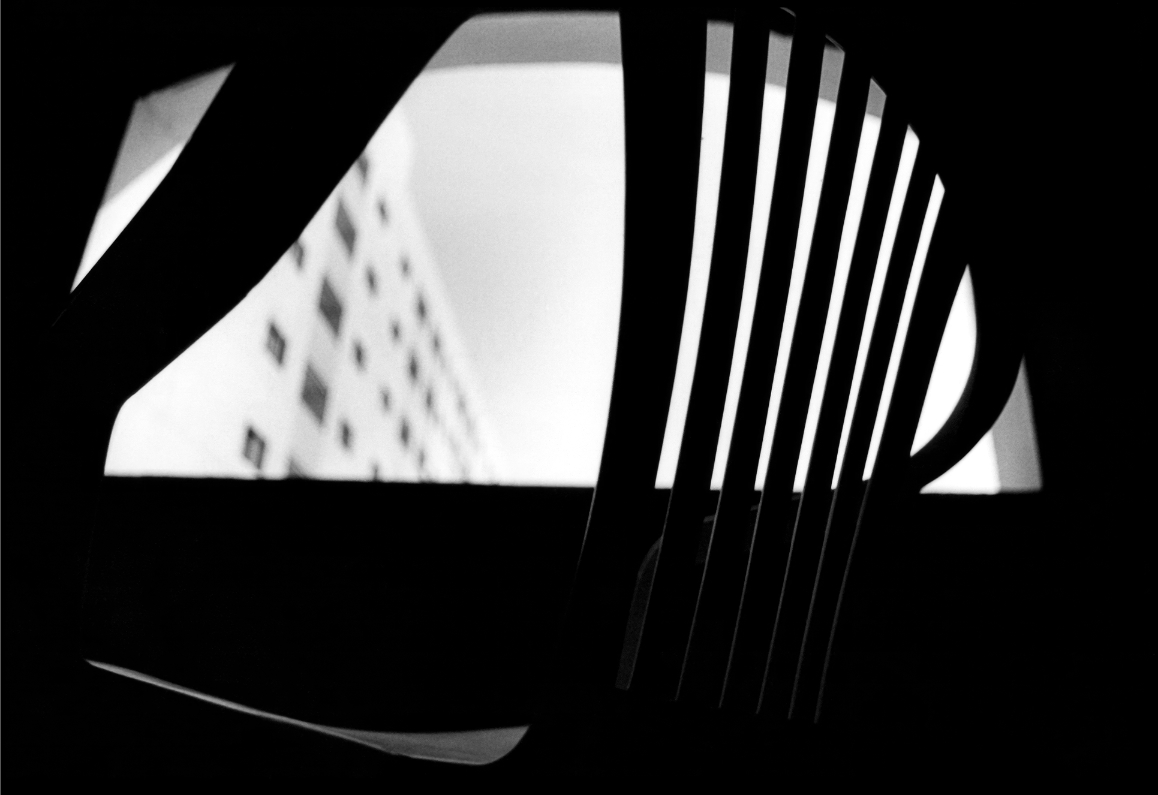
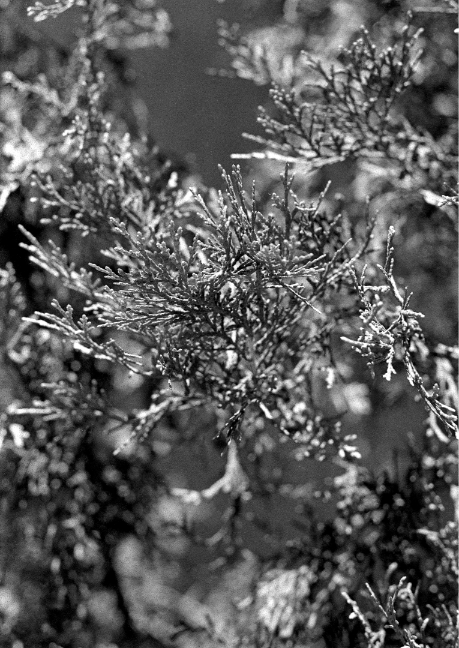
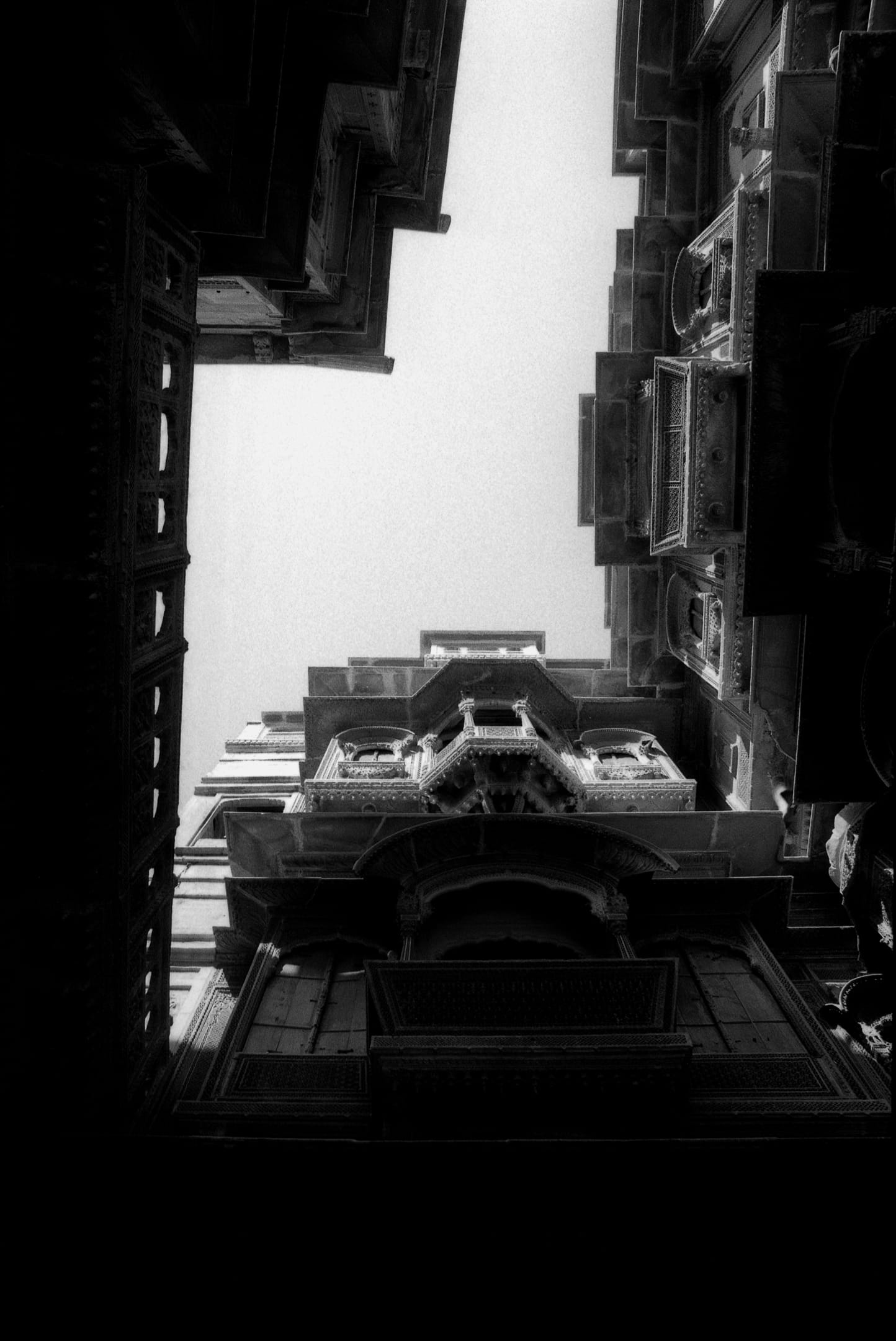
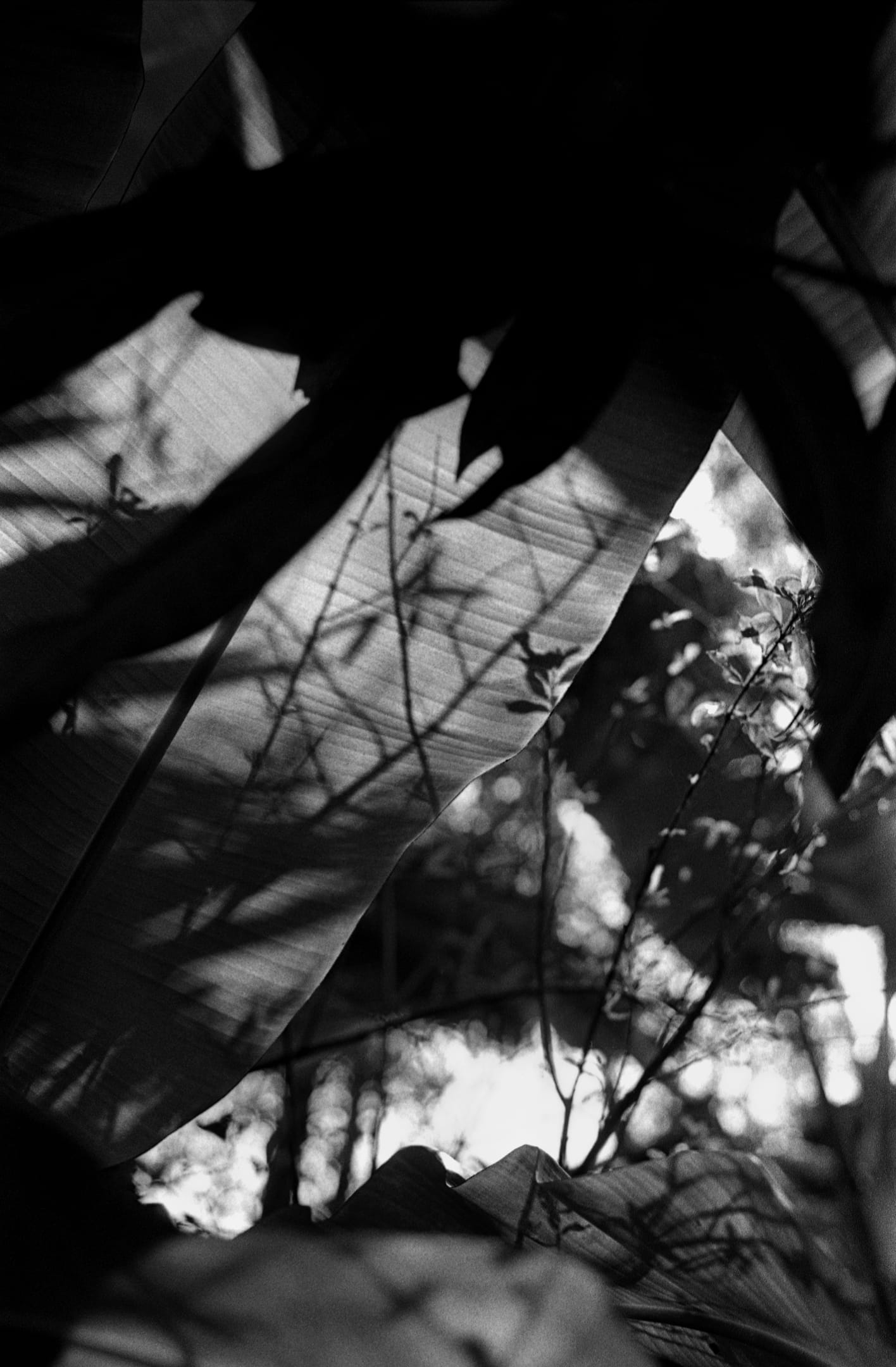
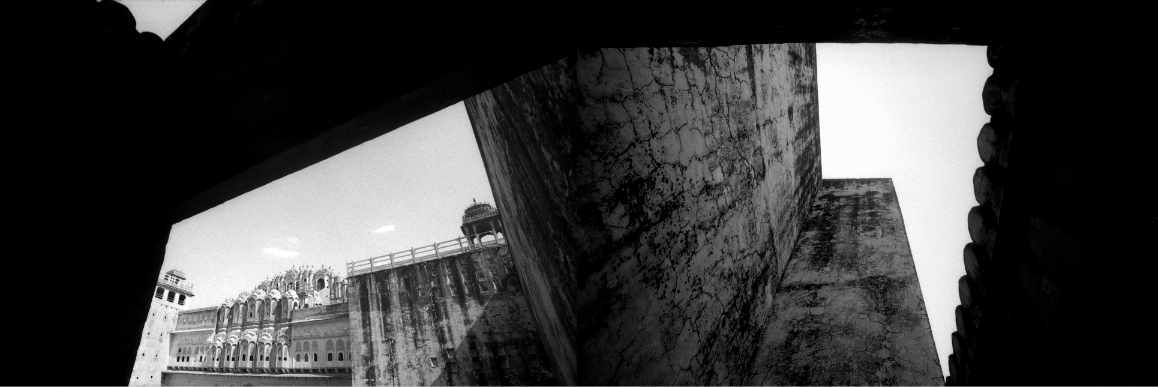
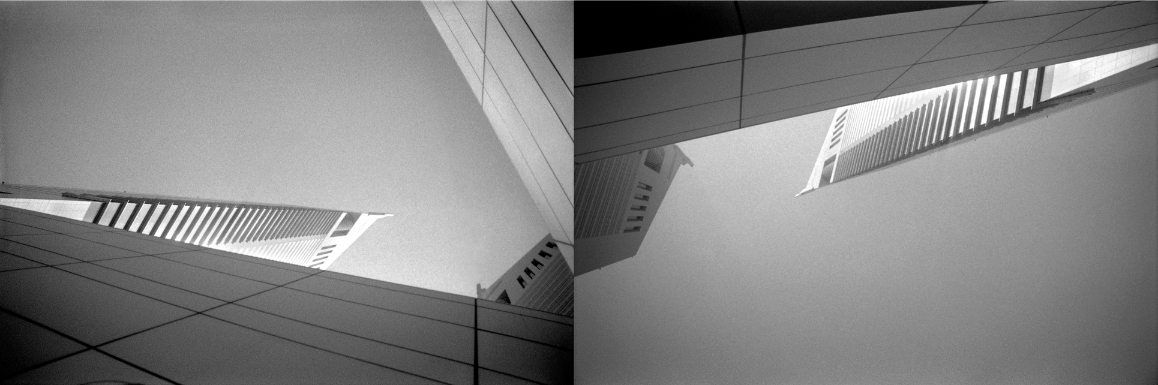
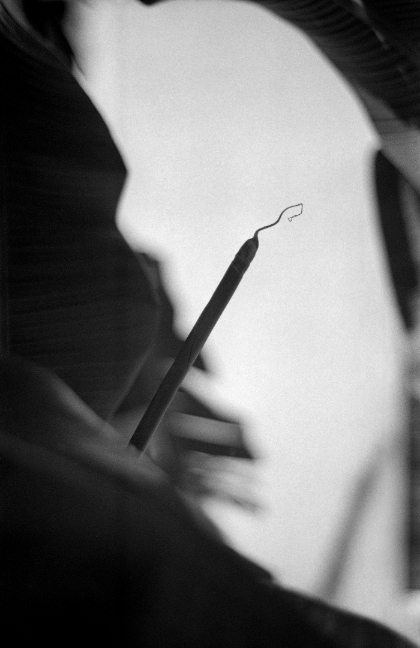
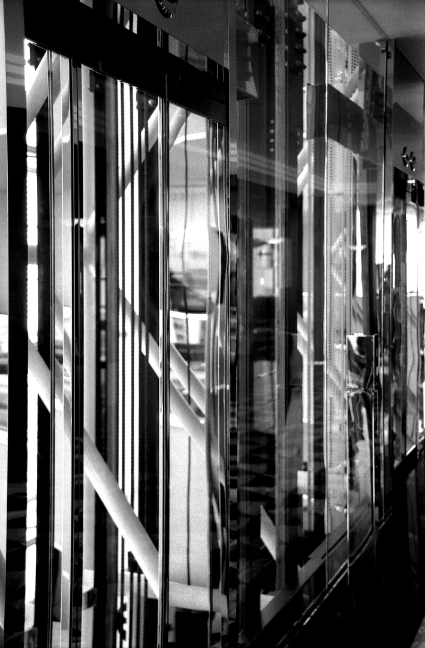
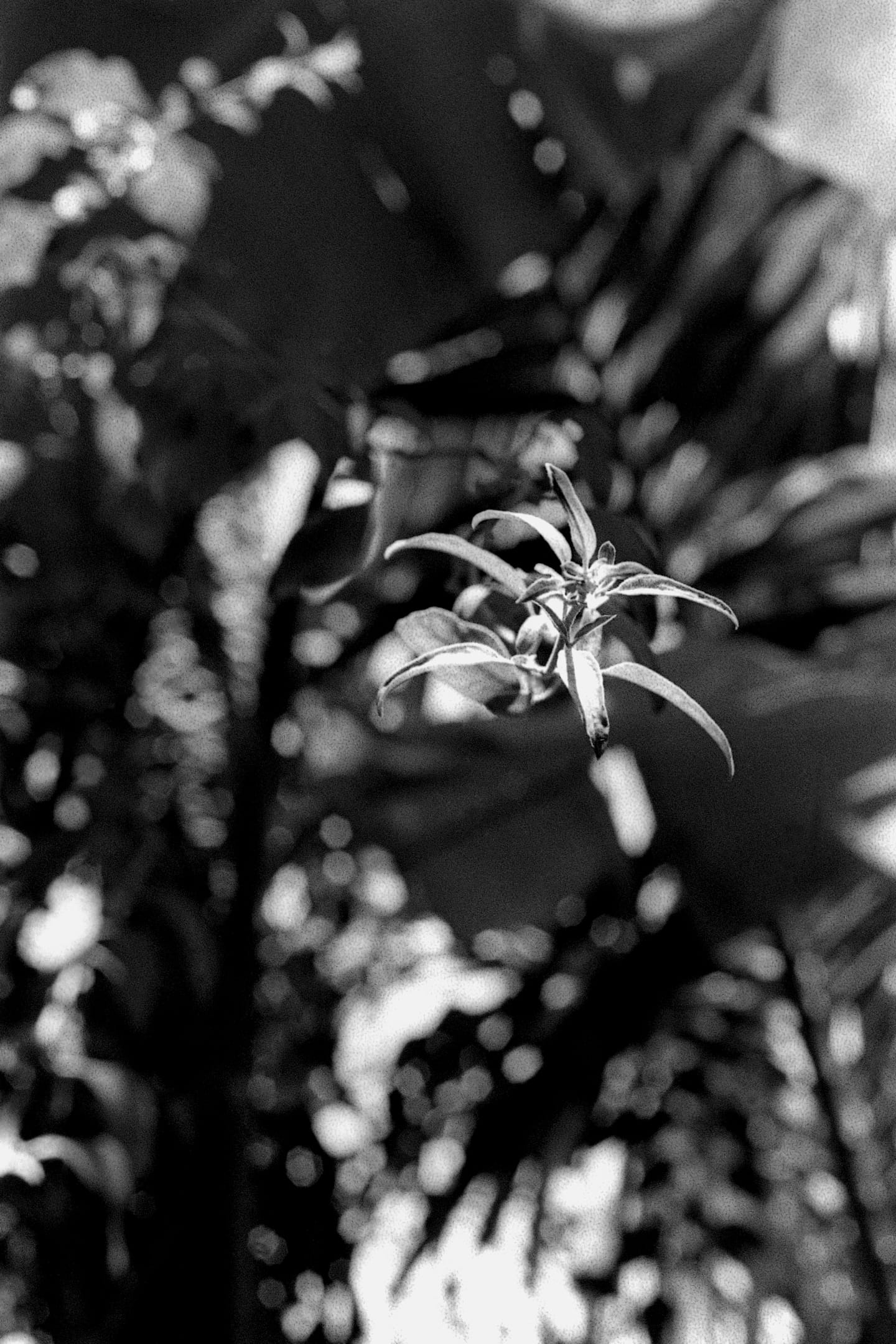
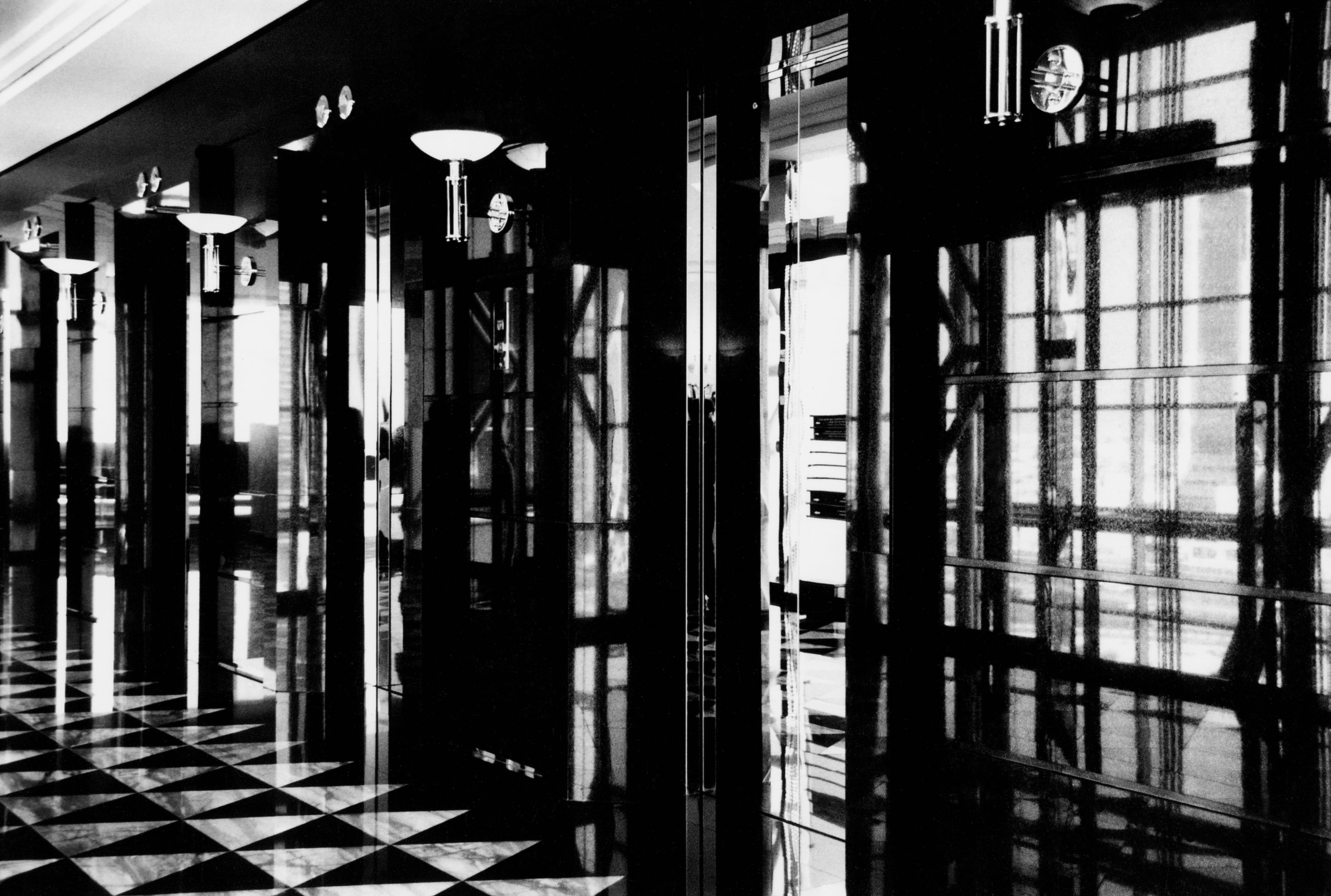
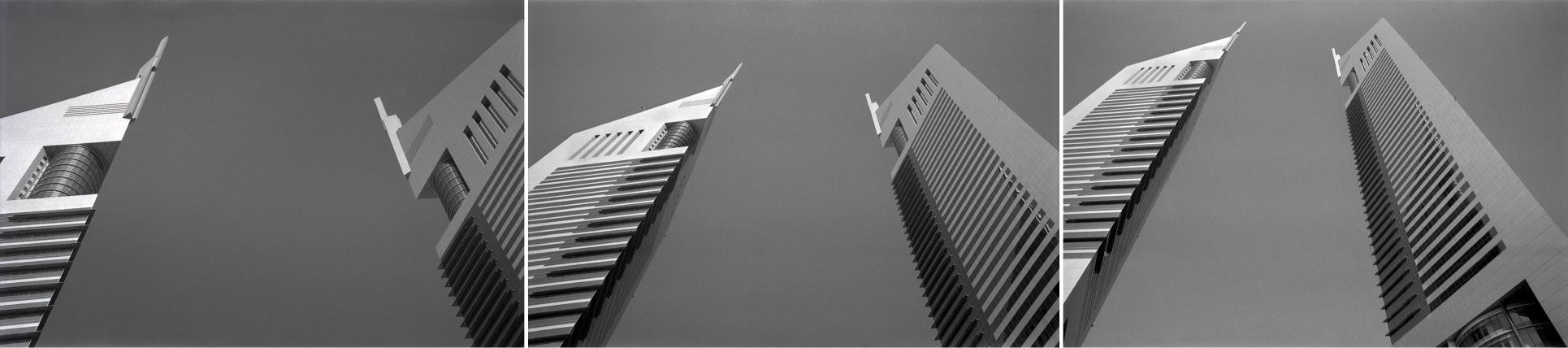
Off the Shadow . 2001 . Untitled

3/3 Editions + 1 AP . Archival Pigment Print . 36" X 24"

Off the Shadow . 2000 . Untitled

3/3 Editions + 1 AP . Archival Pigment Print . 22" X 15"

Off the Shadow . 2000 . Untitled

3/3 Editions + 1 AP . Archival Pigment Print . 36" X 24"

Off the Shadow . 2000 . Untitled

3/3 Editions + 1 AP . Archival Pigment Print . 36" X 22"

Off the Shadow . 2000 . Untitled

3/3 Editions + 1 AP . Archival Pigment Print . 36" X 24"

Off the Shadow . 2000 . Untitled

3/3 Editions + 1 AP . Archival Pigment Print . 5.5" X 5.5"

Off the Shadow . 2000 . Untitled

3/3 Editions + 1 AP . Archival Pigment Print . 72" X 26"

Off the Shadow . 2000 . Untitled

3/3 Editions + 1 AP . Archival Pigment Print . 36" X 23"

Off the Shadow . 2001 . Untitled

3/3 Editions + 1 AP . Archival Pigment Print . 46" X 67"

Off the Shadow . 2000 . Untitled

3/3 Editions + 1 AP . Archival Pigment Print . 36" X 24"

Off the Shadow . 2000 . Untitled

3/3 Editions + 1 AP . Archival Pigment Print . 36" X 24"

Off the Shadow . 2000 . Untitled

3/3 Editions + 1 AP . Archival Pigment Print . 9" X 6"

Off the Shadow . 2000 . Untitled

3/3 Editions + 1 AP . Archival Pigment Print . 60" X 20"

Off the Shadow . 2001 . Untitled

3/3 Editions + 1 AP . Archival Pigment Print . 41" X 14"

Off the Shadow . 2000 . Untitled

3/3 Editions + 1 AP . Archival Pigment Print . 36" X 23"

Off the Shadow . 2001 . Untitled

3/3 Editions + 1 AP . Archival Pigment Print . 36" X 23"

Off the Shadow . 2000 . Untitled

3/3 Editions + 1 AP . Archival Pigment Print . 36" X 24"

Off the Shadow . 2001 . Untitled

3/3 Editions + 1 AP . Archival Pigment Print . 36" X 24"

Off the Shadow . 2001 . Untitled

3/3 Editions + 1 AP . Archival Pigment Print . 60" X 12"

Off the Shadow . 2000 . Untitled

3/3 Editions + 1 AP . Archival Pigment Print . 36" X 23"

Foreword

“Photographically” I came to know Shibu Arakkal in 2005 when, with a very interesting work, he won the first prize of the International Jury in the Photography section of the Biennale in Arad, Romania.

Since then his growth has been incredible, without stops.

His ability to create through the photos, deep concepts and emotions manifests an intimate relationship, almost a fusion between the eye, heart, and the technical medium used.

Many are the realities represented over several years of activity, professional and artistic.

Entering quietly in harmony with the beautiful images that form the collection ‘Off the shadow’ is a perception that goes beyond the expression of the artist.

Time expands, grows until it falls into a dimension devoid of holds that can categorize it. The reality is transformed and the relation of space/time takes the limits of dreaming to a universe made of an immense life which does not know fear derived from blackmail. The objects don’t grow older nor the houses, the buildings, the leaves, the landscapes, if who watches them preserves their spirit. They are the representation of a millenary wisdom at halfway between dream and reality.

It is easy to imagine voices, sounds, loves and passions entering in into the pictures of Shibu.

It is even easier to let those slumbering passions emerge in a collective and hopeless frenzy suggesting we hide for fear of showing weakness.

As if the emotional weakness were a negative element of our lives and as if life itself must necessarily be a manifestation of omnipotence.

That in every element there is support in this continuing struggle to tear off this straitjacket made of preconceived ideas and to enable us to boost our subjective capacity to live independent emotions as a valuable ally.

Passing, in a journey without end, and circular, from an image to another of ‘Off the shadow’ it is possible to hear clearly the detachment from a view of things influenced by prejudice.

The soft and fluffy composition of the sand, from which emerge stubborn traces of plant life gives way to the timeless architecture that transport us to an ancient story but still alive and present.

Geometries uncommon for those who have never watched his neighbour if not with the eyes of those who see in him a stranger.

To discover that history, one made of an uninterrupted sequence of emotions, creations and transformations soaked by culture, is not the exclusive prerogative of only one part of the universe, but it belongs to every member of humanity, is a moment of intense reflection made possible by stimulations of a very high profile.

And of a high profile are the creations of Shibu Arakkal that travel around the world, every day more revealing its mysteries and, perhaps, discovering other new.

Sure that are of high-profile all those emotions that, shared without barriers, allow us to live an important step for the growth of the entire context, of which we form a part.

Alfonso Caputo
Artist . Curator . Terra dell'Arte President . MIDAC Museum Director
Belforte del Chienti . Italy . 2012

Foreword

. . .

Introduction

How much shadow and how much light is in us?

Off the shadow is, in itself, a title quite explanatory of the intentions of an artist who works with an art that by “writing with light” derives its name. We do not always remember, in fact, that photo-graphy, literally means “writing with light” and that logically, if we speak of “reading” of the image we should also speak of “writing” too.

The theory of perspective, expressed in the drawing, and the theory of shadows, expressed in light and darkness, are contributions that Italian art gave to the Universal art putting in the space and time the image content, but because art is universal, we find that the traditions of ancient civilizations have come to create an understandable language over and above the determinations of space and time.

The images are read in the tradition of Italian critics, because they originate inside a communication system that is (exactly) a real language, with its rules and its syntax; it seems obvious, but not to everyone, that the respect of these rules is not sufficient to make a work of art, but what is important is the content that the artist wants to communicate and how many of these messages, the others receive.

It is not off topic to remember that, from the ancient times, India was always considered the alternative and, at the same time, a reference for the Mediterranean civilization. In fact in towards India was always directed the desires and efforts to establish a more constructive contact and one of more intimacy. Shibu Arakkal is proof of the correctness of this desire.

The ease with which Shibu Arakkal manages the image, in his photos, is a big help for the spectator (or enjoyer if you prefer) in the acquisition of the meanings that are expressed from these same photos, but we must immediately make it clear that this way of speaking with photography is so fluid because upstream there is a large inner work, which certainly must have cost the author a great effort and a steady application to refine its sensitivity and capacity; if we also add the study, to achieve a wonderful technique, everybody can well understand that the viewer enjoys without effort, without realizing it, through a very big and heavy work of an other.

We think that it is correct to have explained it, because the “writing with light” made by Shibu Arakkal becomes, in this exhibition, writing “from the shadow” and not “off the shadow”.

Let us be clear, Shibu Arakkal does not just read and let us see what is, more or less, hidden in the shadows, but he starts from the shadow, even conceptually, to make us live a reality that in the relationship between light and shadow that reflects our relationship with reality, or at least a possible relationship, although we do not feel this to be ours. This relationship is not only exterior, but also and above all internal, psychological, rather of the soul than of the body and it is this what makes artworks of these photos. The structure clear and highly significant of his photographs is expressive of this inner reality. However we believe that everyone in the audience will find the correct topic to meditate and find something of themselves in the Shibu Arakkal’s photos, as art is art also because its discourses are basically universal.

For us Italians, are classic the images in which the sand builds with its lines a precise and timeless structure like life, but it is at this point that Shibu Arakkal surprises us, in the transition between shadow and light, transferring the view of reality in terms of vision, from the world of the ascertaining to one of the internalisation of the experience.

Within us lives his world of contrasts between the “modern” highlighted by the geometric rationality of current architectures and the traditional property of his cultural heritage, which seems much human in its forms and in its elegance, soft and liveable, with its own personality, as if it were human and living on its own form. And we accept and live this feeling as if we were together with the author even if in a reflective plane.

Through the reciprocal relationship between light and shadow we live in this last dimension while we are dreaming of the other. The light is always given to us in a purely intellectual sphere: the memory, the regret, the desire or the dream.

Just with a little sensibility more by the enjoyer, just a little bit, we can understand it because these images have within themselves the ability to take us where Shibu Arakkal wants.

Umberto Maria Milizia
Art Historian . Critic . Former Professor of the History of Styles . Academy of Fine Arts . Frosinone . Italy
Belforte del Chienti . Italy (but could be anywhere) . 2012

Introduction

. . .