
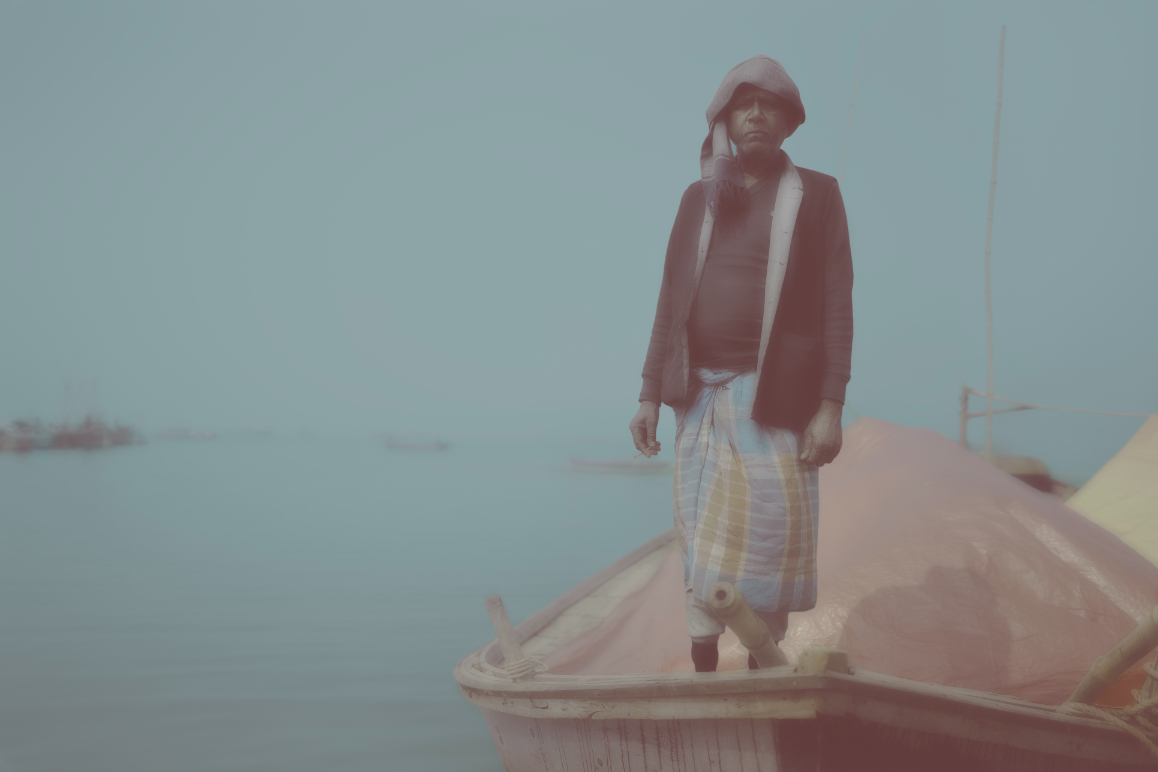
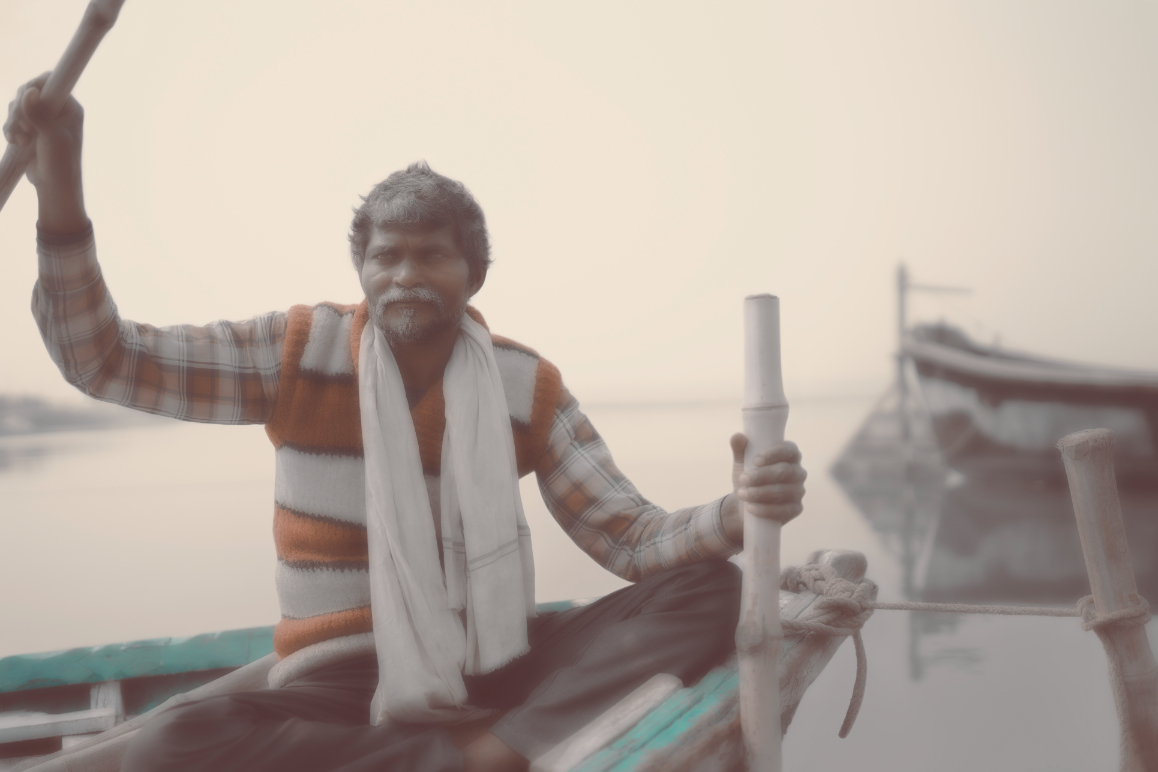
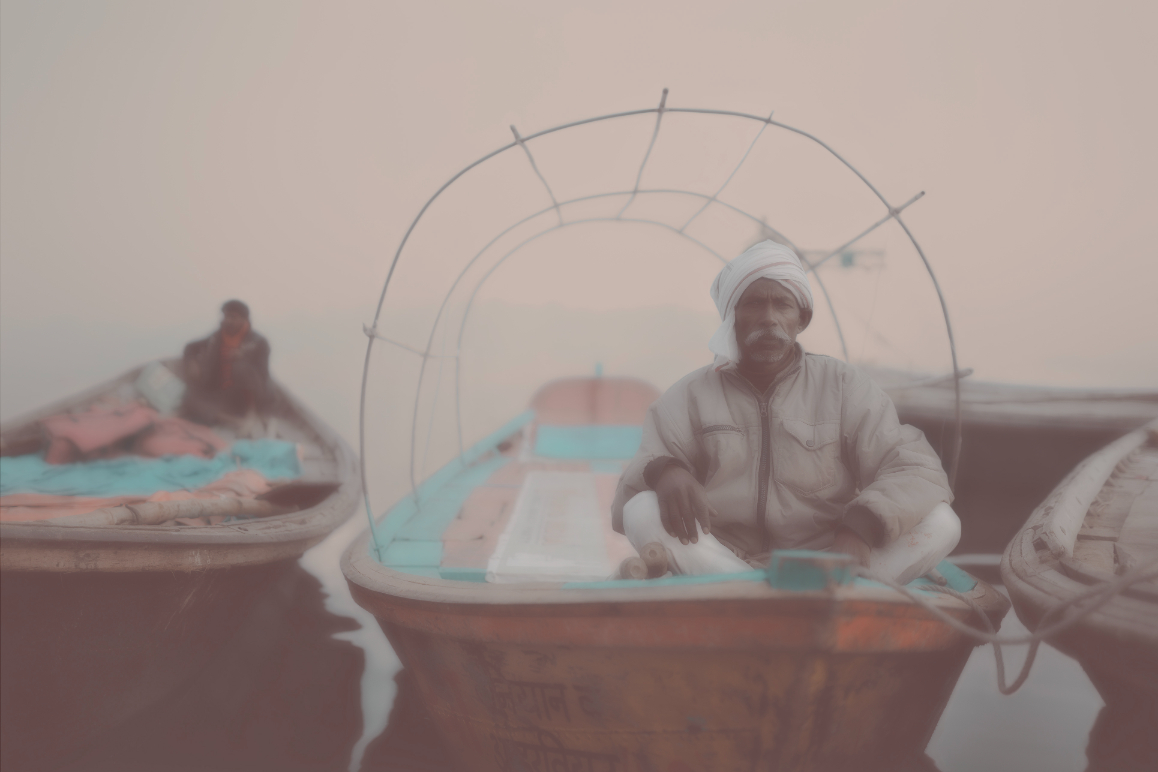
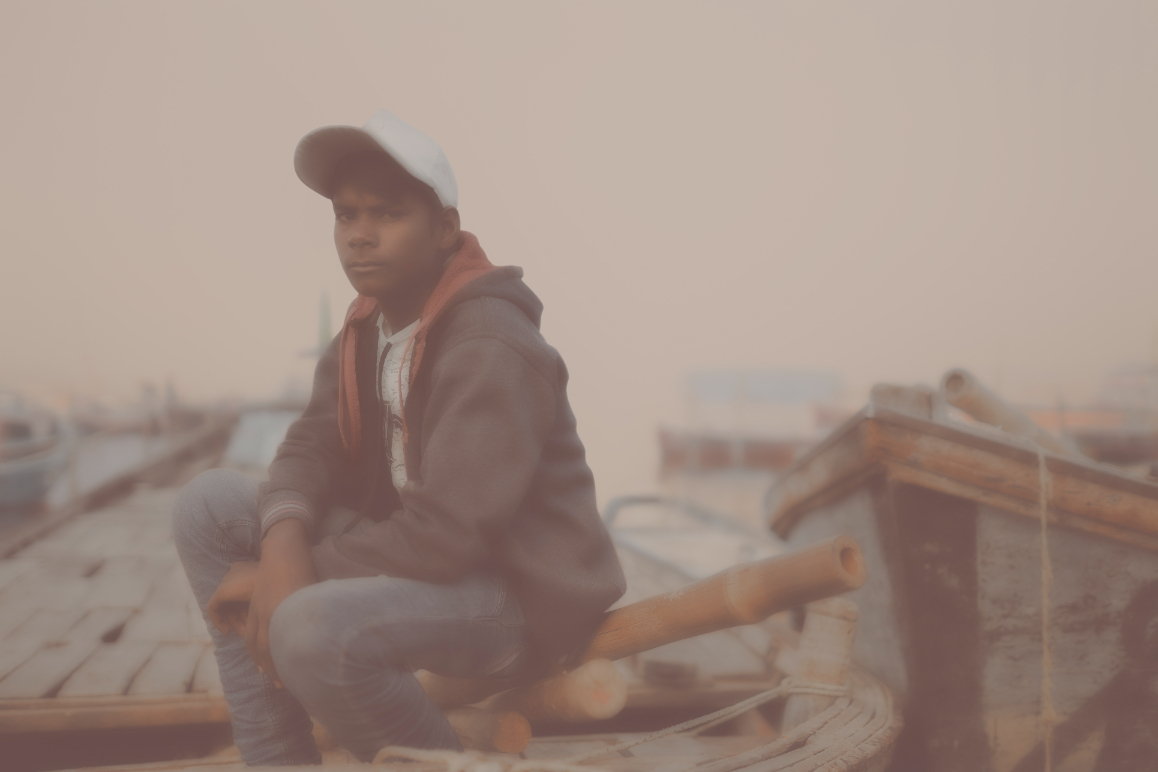
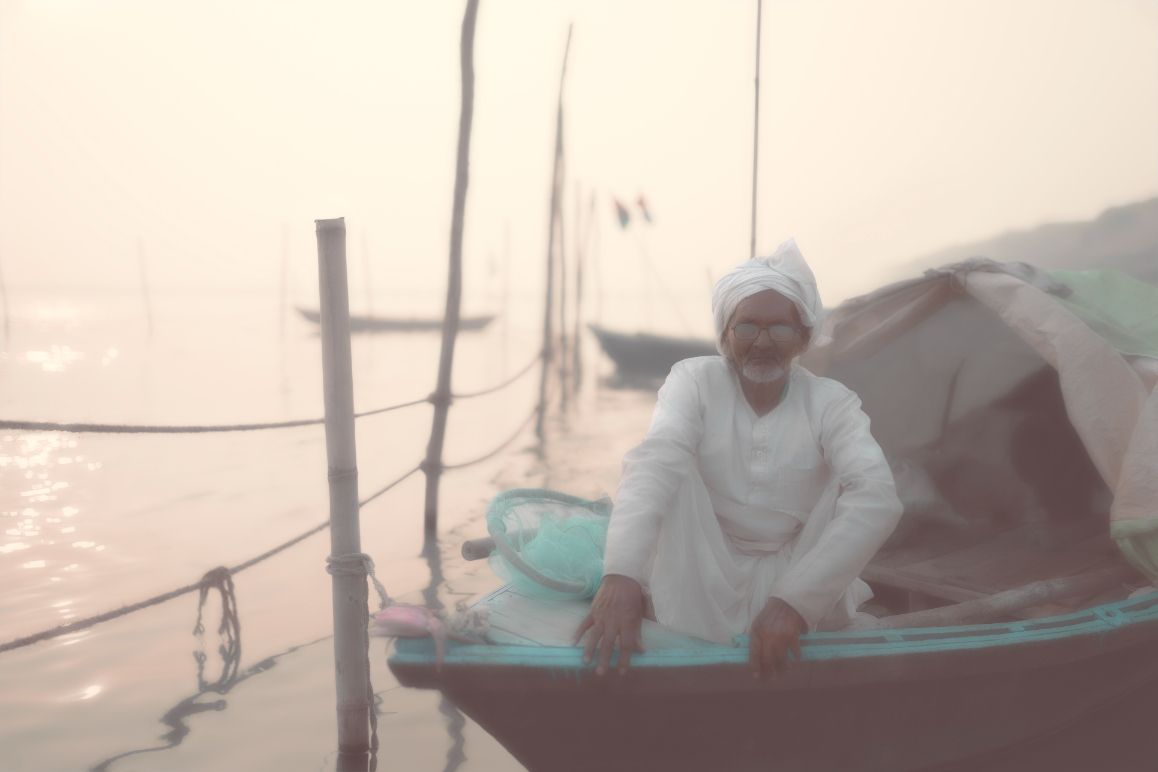
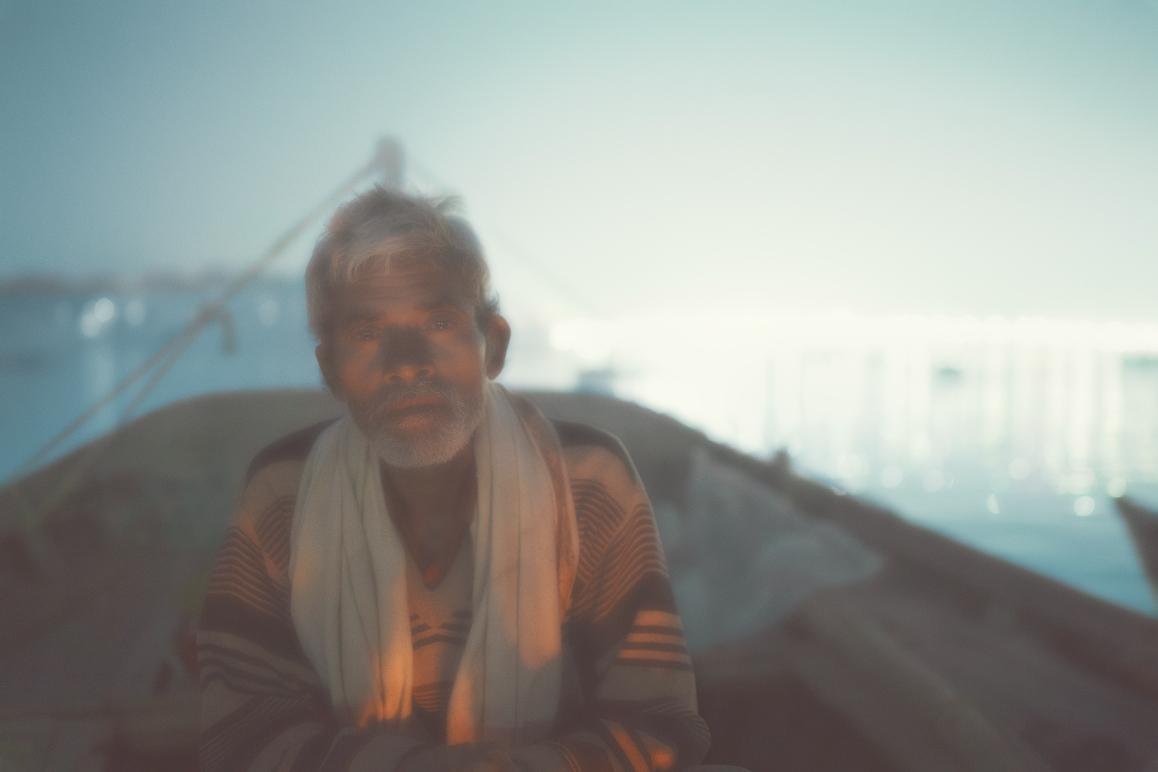
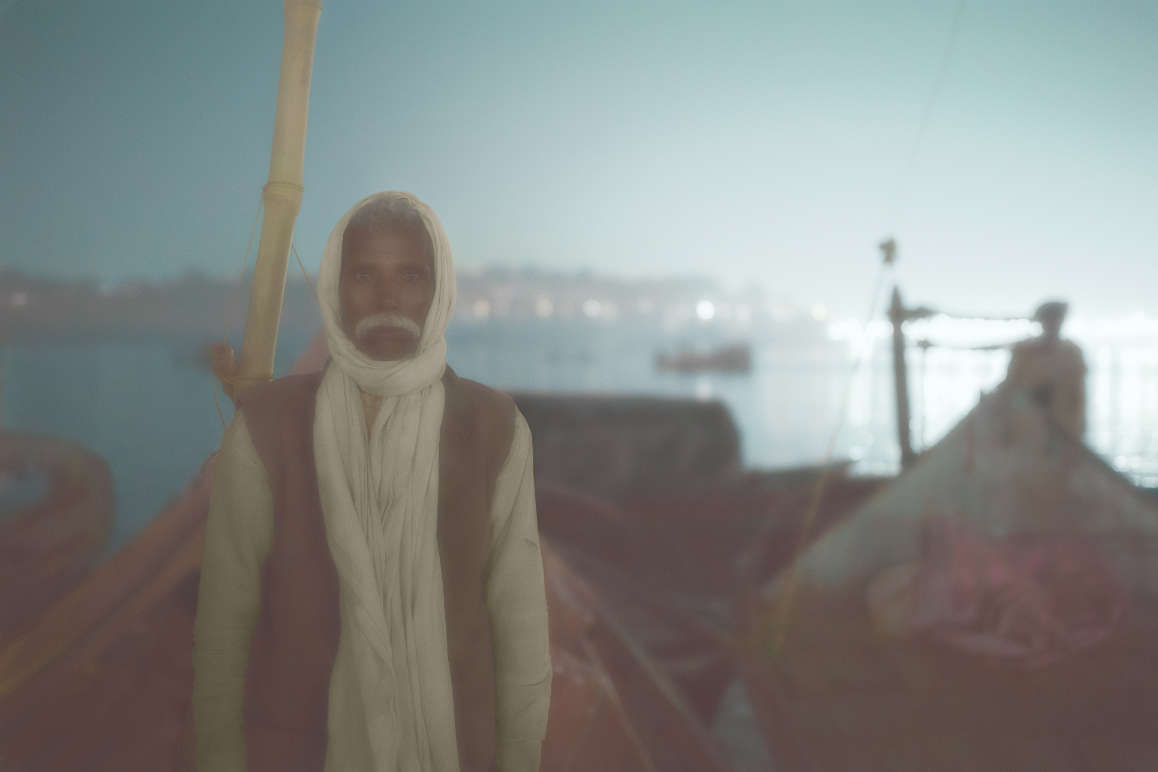
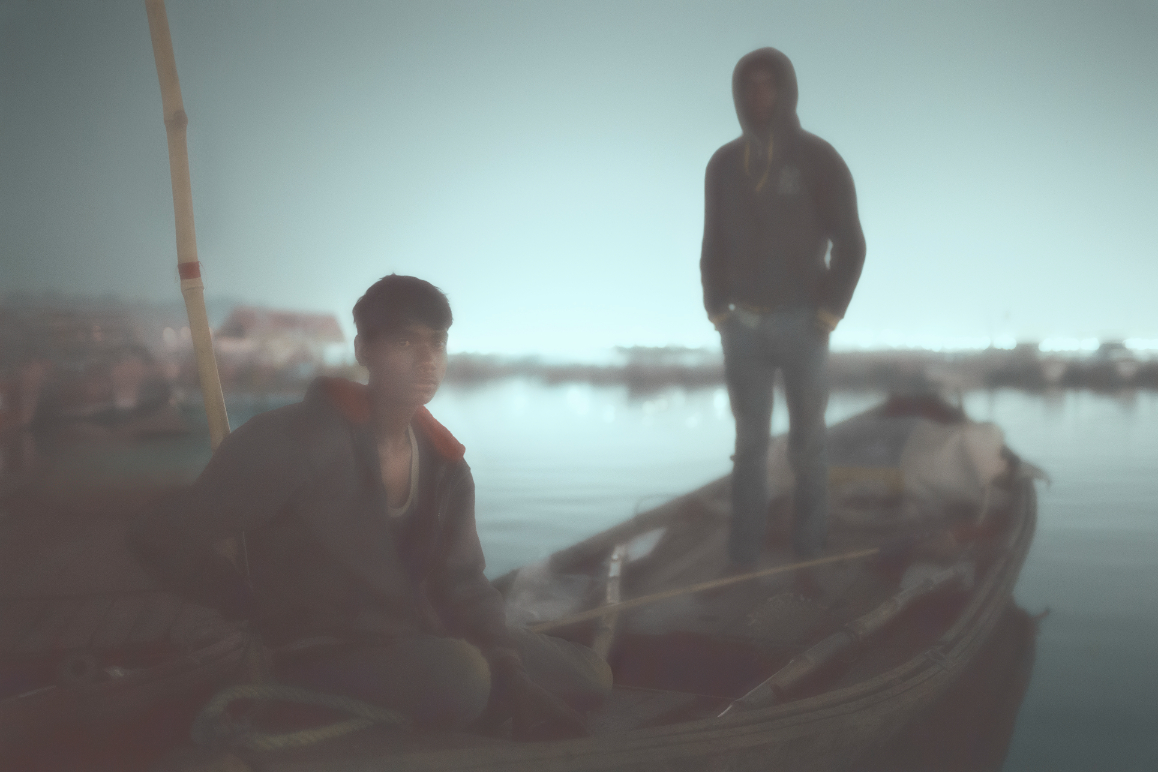
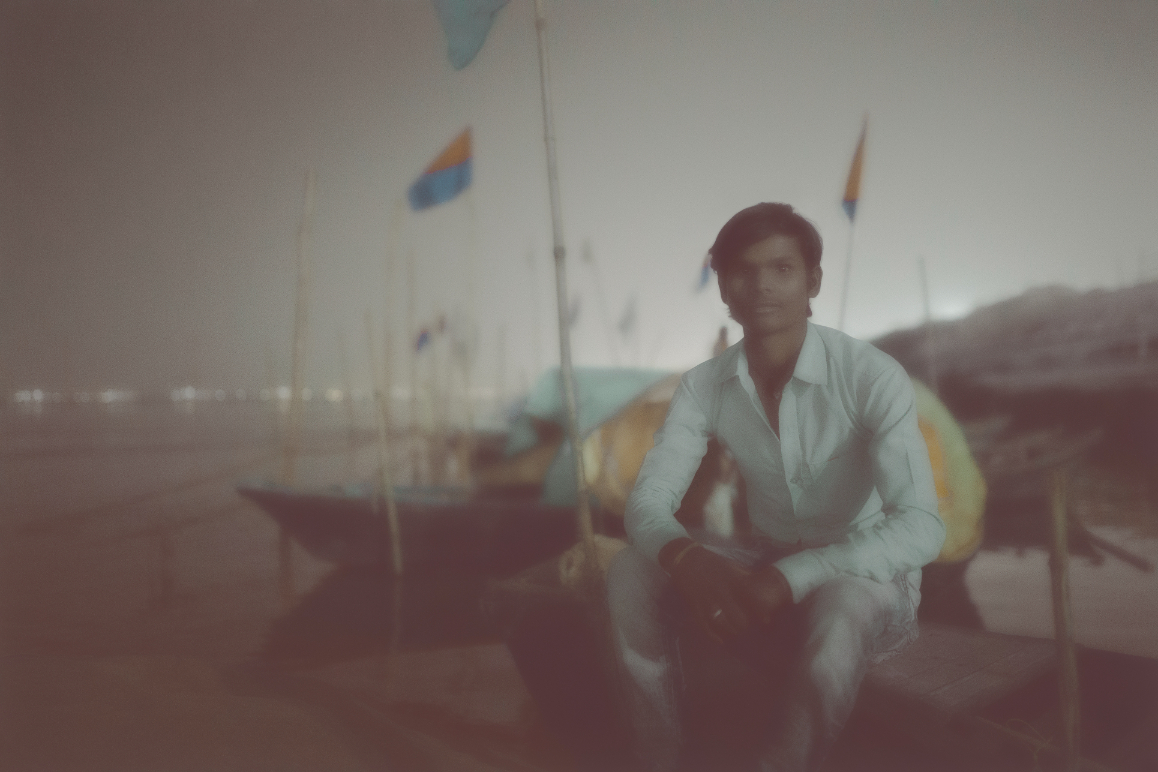
Mallaah . 2019 . Untitled

3/3 Editions + 1 AP . Archival Pigment Print . 62”x42.5”

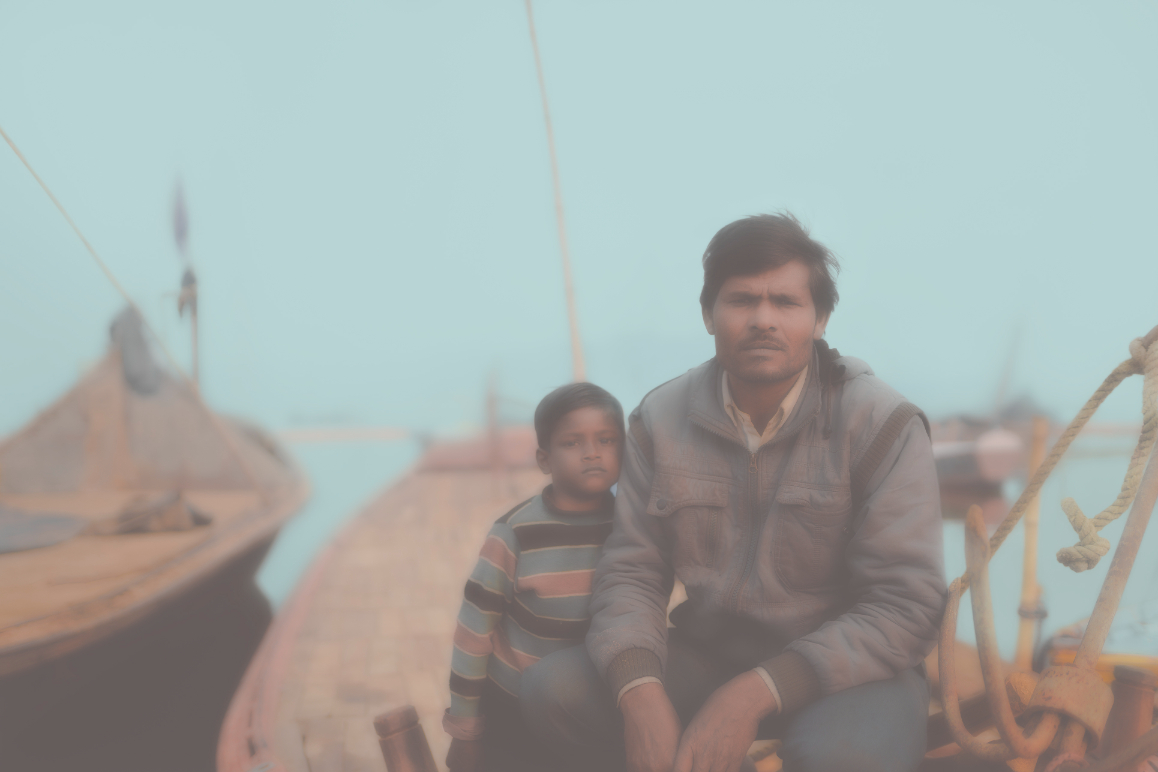
Mallaah . 2019 . Untitled

3/3 Editions + 1 AP . Archival Pigment Print . 62”x42.5”

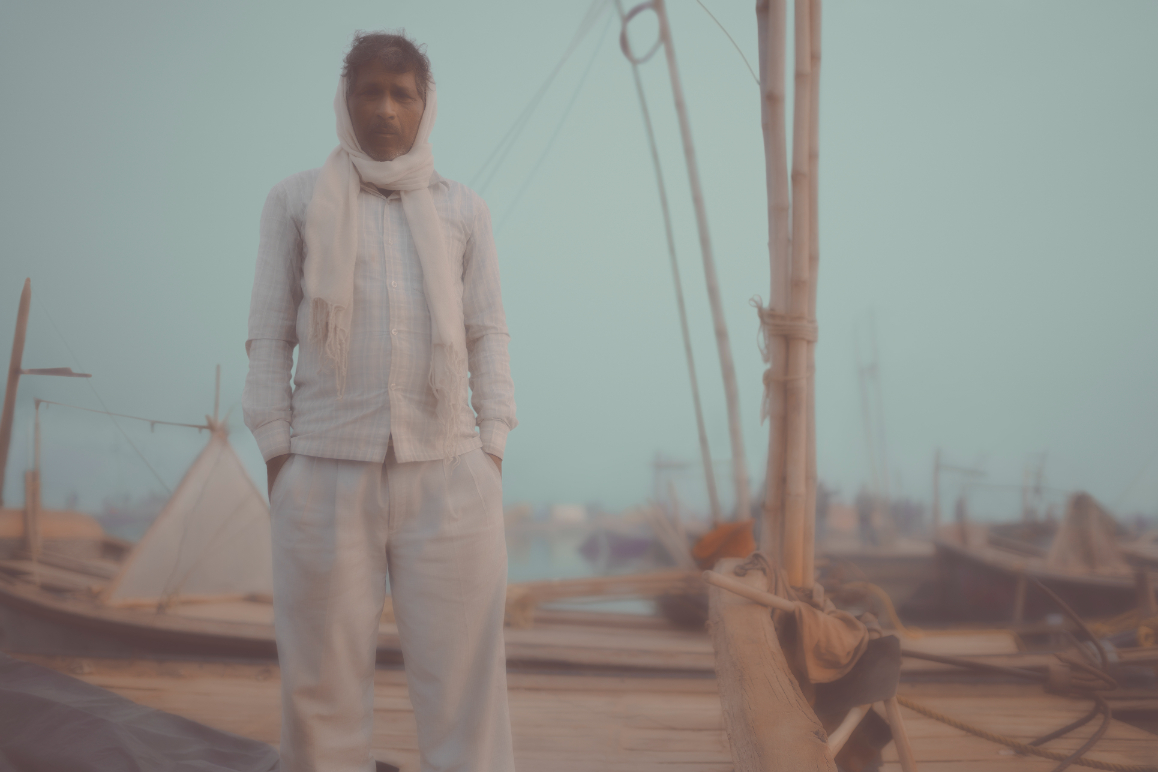
Mallaah . 2019 . Untitled

3/3 Editions + 1 AP . Archival Pigment Print . 62”x42.5”

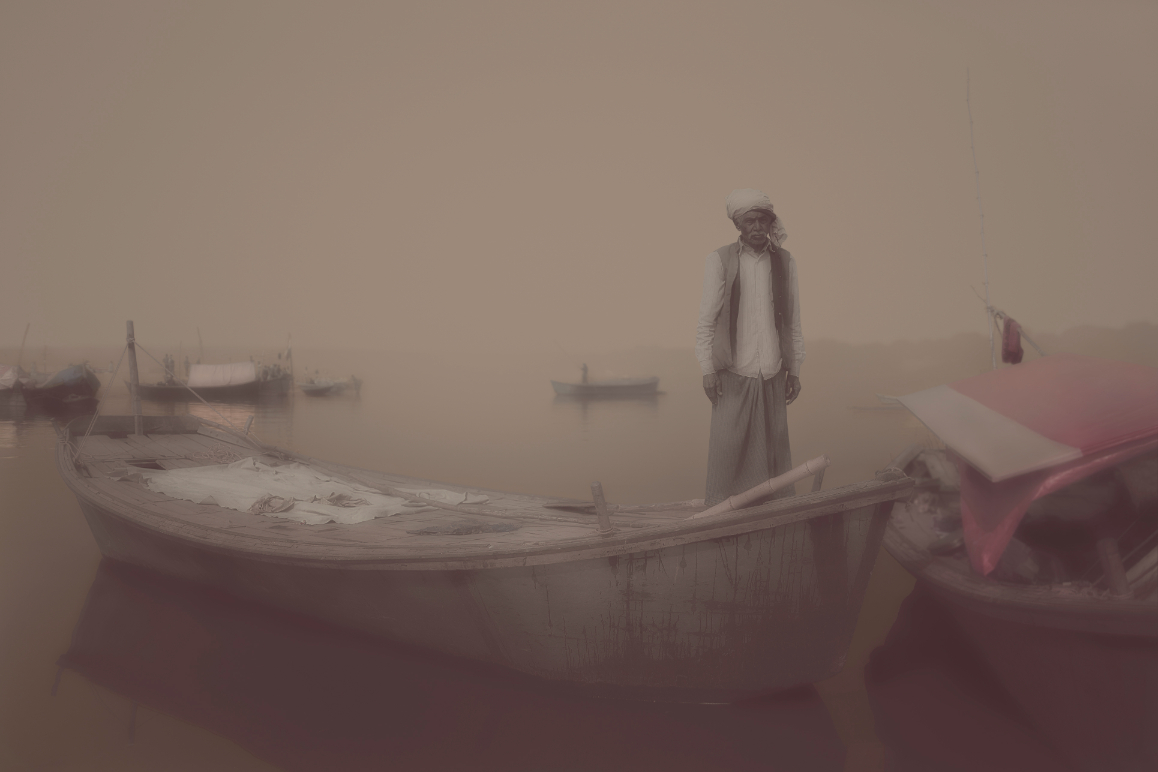
Mallaah . 2019 . Untitled

3/3 Editions + 1 AP . Archival Pigment Print . 34.25”x24”

Mallaah . 2019 . Untitled

3/3 Editions + 1 AP . Archival Pigment Print . 34.25”x24”

Mallaah . 2019 . Untitled

3/3 Editions + 1 AP . Archival Pigment Print . 34.25”x24”

Mallaah . 2019 . Untitled

3/3 Editions + 1 AP . Archival Pigment Print . 34.25”x24”

Mallaah . 2019 . Untitled

3/3 Editions + 1 AP . Archival Pigment Print . 34.25”x24”

Mallaah . 2019 . Untitled

3/3 Editions + 1 AP . Archival Pigment Print . 34.25”x24”

Mallaah . 2019 . Untitled

3/3 Editions + 1 AP . Archival Pigment Print . 62”x42.5”

Mallaah . 2019 . Untitled

3/3 Editions + 1 AP . Archival Pigment Print . 34.25”x24”

Mallaah . 2019 . Untitled

3/3 Editions + 1 AP . Archival Pigment Print . 34.25”x24”

Preface

‘We had long heard tales of whole worlds that had vanished, of empires sunk without a trace, gone down with all their men and all their machines into the unexplorable depths of the centuries, with their gods and their laws, their academies and their sciences pure and applied, their grammars and their dictionaries, their Classics, their Romantics, and their Symbolists, their critics and the critics of their critics… We were aware that the visible earth is made of ashes, and that ashes signify something. Through the obscure depths of history we could make out the phantoms of great ships laden with riches and intellect; we could not count them. But the disasters that had sent them down were, after all, none of our affair.’

Paul Valery
The Crisis of the Mind

In the techniques of seeing, there may be contradictory and irreconcilable ways of arriving at the truth of images depending on the stages of life – infancy, middle of life, and late age. Confronted with an image, a child would always point fingers at the facts of what he sees in these photographs: a boat, an old man, a child, a river flowing in the distance, weeds, bamboos, ropes. The child’s immediacy still connected to the memory of breastfeeding and the limited and damaged understanding of language does not allow him to interpret images in the sense of history, worldliness, science of techniques, authorship and so on. All these we may consider as amateurish and infantile. Yet in its infancy, the child’s seeing of the image is a beginning point of understanding the phenomenon of light, texture, darkness, and the visible aspects of the story that is not yet there. Tired at looking at the image, the child may wish to deviate from the image, call her mother and say, ‘this is a boat,’ ‘that is an old man’, ‘old man’s hair is white,’ ‘this is a child and the father,’ ‘this is a chair,’ etcetera, etcetera. What the child in reality points at is the pure sensitivity of the objects, places, faces, colour, which in the course of attaining a mastery over language fades into abstractions and jargons. In all of this, particularly, in the ways of seeing like this, each object in the photographs yields and appears to the child in all its fullness. There is the innocence of looking at the world unbeknownst of all the conflicts of faculties.

Passing the stage of the childhood from adolescence to the middle of life, a period of transformations and immense conflicts of opinions, ideas, ideology and thought, the ways of seeing is characterised by what is ‘dictated’ to him from the available industry of language, politics, and signs – facades of culture and civilisation against the very nature of childhood. In abandoning the child in him/her, the middle aged individual while departing from the pleasurable attachment with the mother, seeks confidence in the world, it’s ideas and ideals, and tries a hand in the interpretation of images, signs, photos, words, and other phenomenon with a scalpel like precision of a surgeon in the operation theatre – all in vain. It’s in this age that the scars of the world represented in photographs and other ways of seeing, begins to appear. The structure of damaged life is never visible as it is in the middle of life. Seeing the work of Shibu Arakkal, I am overwhelmed by the way in which his technique of making the shades of scars visible, that of history of an abandoned community as it is passing into oblivion before our very eyes. From a purely cultural point of view, that is the world of public opinion, ideas, and ideologies, these images may become a part of the archive of the forgotten world, but from the natural point of view, that is from the point of view of nature: decay and disintegration of old world and civilisation, we are actually saddened to see that an age which was so much engraved in water, wood, hyacinths, and crafts of hands has reached the verge of death, which is precisely the way of seeing as one is growing old, when the blackness of hair, stiffening of skin and muscles gives way to its natural habitat – death pointing towards the grave. Shibu Arakkal’s image may be seen from all of these registers of age as one traverses from infancy to maturity, by way of death and beyond.

Coming back to the way of seeing as a child, one also witnesses a drift akin to stubbornness and refusal to obey the norms of governmentality. The child would point fingers towards the unknown direction. The child drifts away from the prevalent norms, signs and behavioural codes of parenting. In a general sense, historical and cultural phenomenon may also be seen and worked through from the point of view of a certain drift in the ways of being and seeing. Shibu Arakkal’s works as I see it, is a drift from the popular ideas of consumption and cultural codes. As a subject matter, his choice of working with the Mallahs of Gangetic geography and landscape suggests to us that the acts of seeing, witnessing, photographing and documenting lives can also be done through a fourth eye. As a photographer, he does not allow for ready consumption of his work, but poses serious questions by way of his technique, that is making the subjects disappear from sight, making them appear in the psychic space of mind, posing questions before the viewer – how do the dominant ideas of ‘national culture’ exclude and push people into a landscape of existential and social crises. The idea of photography like this seems to me closer to the idea of painting where reality is presented before us in a diffracted way. I am very pleased to partake in his endeavours of technique, labour, craft and a way of seeing which reminds us of the limits of reason, culture, thought, and contemporary politics, as we see from the point of view of mortality of bodies and languages, as Paul Valery, a prominent critic observes in his essay, Crisis of the Mind – “We later civilisations… we too know that we are mortal.” Valery’s line as dipped in poignancy reminds us of the limits of our cultural logic as we too who pride ourselves in walking over the earth, mutilating it, will pass into oblivion like the past cultures and civilisations, leaving nothing but the faint memory of bones feeding a termite and a jasmine plant.

Riyas Komu
Artist . Curator . Kochi Biennale Co-Founder
Mumbai . India . 2019

Preface

. . .

Artist’s Note

In the most revered of Hindu traditions, the confluence of the three holiest rivers of India, the Ganga, the Yamuna and the Saraswati is one of four celebrated earthly sites of the Kumbh Mela.
This confluence, the Triveni Sangam at Prayagraj (erstwhile Allahabad) has from the beginning of its tradition, brought together a gathering of humanity like no other on earth.

My line of artistic enquiry for over two decades has almost obsessively been preoccupied with my philosophical journey and my own personal truths.

Being present, in arguably the most philosophical place on earth at that earthly time, I found myself drawn to the rivers themselves and profoundly, to a people who have traveled on it all their lives. A great disbeliever in coincidence, I and my own journey crossed paths with the boatmen of these holy rivers. An origin of people called Mallaah, these exclusively male ferriers of people are a deeply compelling part of the Kumbh story. For several hundred years these boatmen on the Ganga and the Yamuna have handed down their oars from father to son. I was intensely drawn to the purpose of their lives, to carry people back and forth on these rivers. Almost married to their boats, these men. To live almost all of their lives on these wooden vessels, going about their worldly chores and belonging to a tribe of menfolk, they pride themselves on being the real caretakers of these mystical rivers. Almost as if they are born on these boats and just as possibly may breath their last on it, the Mallaah men live lives removed from their families and children.

My series of photographic artworks are born from these very people and a journey that is so relevant to the Kumbh story and that of these rivers. It is a reality I trace in relation to my own response to it and an understanding of these people and to not try and interpret something that I might never incisively understand. But to create from their very stark reality and from a sociological perspective that is complex and yet as much rooted to this land and waters as much as all the sages and this ancient faith.

The series titled ‘Mallaah’, simply put, is a series of portraits of the boatmen who ply their trade on the Ganga and the Yamuna, imagined in the great artistic traditions of the last century, depicting people and their lives.

I have chosen to depart from my recognisable artistic techniques and to take a more direct and hopefully, a visually dynamic viewpoint. My conscious approach was to keep it true to a realism that is authentic, whilst leaning towards the poetic. It was also intentful for me to stick to spontaneous compositions and lighting of the subjects, inspired by the work of some early twentieth-century Pictorialists.

The works themselves have been conceptualised through a story-telling visual technique, and still maintaining a distinct demarcation from the photojournalistic genre, also critically preserving the realness of the subject. While consciously meaning to be less interpretative and more authentic to a photographic realism, I am as always, coming from an artist’s style and viewpoint.

Shibu Arakkal
Bangalore . India . 2019

Mallaah

Mallaah/Mallah : The Mallaah (or Nishad) are the traditional boatmen caste and ethnic group of North India, East India and Pakistan, a small number of them also found in Nepal.
The word mallaah is said to come from an Arabic word which means a motion of moving like bird’s wing.

Reference on the Kumbh Mela

Based on a distinct set of astrological positions of the Sun, the Moon, and Jupiter, the holiest time occurring at the exact moment when these positions are fully occupied, the Kumbh Mela is celebrated at Haridwar on the river Ganga, at Ujjain on the Shipra, at Nashik on the Godavari, and at Prayagraj (modern Allahabad) at the confluence of the Ganga, the Yamuna, and the mythical Sarasvati. The Kumbh Mela at Prayagraj, in particular, attracts millions of pilgrims.

Speaking of the most ancient of the three rivers, Saraswati is considered in Hindu mythology to be the holiest of them, although it doesn’t physically exist anymore. And still the confluence (of the three rivers) is called the Triveni Sangam.

Folklore has it that the river’s only physical presence is a stream beneath a well which exists inside the Allahabad Fort built by Akbar, which streams its way underground to join the Ganga and the Yamuna.

Tradition ascribes the Kumbh Mela’s origin to the 8th-century philosopher Shankara, who instituted regular gatherings of learned ascetics for discussion and debate. The founding myth of the Kumbh Mela – attributed to the Puranas (collections of myth and legend) – recounts how the gods and demons fought over the pot (kumbha) of amrita, the elixir of immortality produced by their joint churning of the milky ocean. During the struggle, drops of the elixir fell on the Kumbh Mela’s four earthly sites, and the rivers are believed to turn back into that primordial nectar at the climactic moment of each, giving pilgrims the chance to bathe in the essence of purity, auspiciousness, and immortality. The term Kumbh comes from this mythic pot of elixir, but it is also the Hindi name for Aquarius, the sign of the zodiac in which Jupiter resides during the Haridwar Mela.

Artist’s Note

. . .

Reviews

A pictorial series on Kumbh Mela at Prayagraj is invariably about dreadlock naga sadhus and the ocean of humanity flocking there to bathe at Triveni Sangam, the confluence of rivers. Which is the reason why photographer Shibu Arakkal almost said no to a commissioned project on Kumbh Mela by Sandeep & Gitanjali Foundation in association with Gallery G. ‘It is one of the most widely covered events,’ he said. ‘Every photographer has done something on it. What else could I add to this?’

But he did go to the Kumbh Mela for a week on the assurance that he will exercise his artistic freedom to choose what to do. As Gitanjali Maini said, ‘I had been keenly observing his work since 2014 and realised that here was a photo artist who looked at things differently and saw a new story in everything around him. We were not looking for him to capture images of akharas and naga sadhus.’ Scouting the place along with local guides, he was drawn to a community which has been integral to the Kumbh Mela and has been worshipping the sacred rivers, Ganga and Yamuna, for ‘hundreds of years’. His subject, for the solo show Mallaah, is on this community of boatmen who are overlooked by the shutterbugs who are taken in by the frenzy of activities going on at the Kumbh. Calling them as the caretakers of the river, Shibu decided to take their portraits as a way to symbolise their cultural contribution to such a significant event.

‘The Mallaah (or Nishad) are the traditional boatmen, caste and ethnic group of North India, East India and Pakistan, a small number of them also found in Nepal, Shibu said. The term, “Mallaah” is said to have originated from an Arabic word signifying a motion of moving like a bird’s wings.’ The routine for the days at the Kumbh fell in place as Shibu took the pictures either early mornings when the boatmen were setting out for the day or else in twilight when they returned.

‘They are busy during the day and didn’t want to be disturbed,’ he said. During the period he was there, Shibu learned more about the patriarchal set-up of the Mallaah community, where although the families live on the banks of the rivers, only the men go out to work. ‘They are often in their boats for long durations and they sleep, clean and cook there,’ he said, pointing out to the portrait of one boatman whose face is awash with warm orange light coming from the embers of the ‘chullah’. However, of the twelve portraits on display, Shibu talks of a “pivotal” portrait of a father and son. Making small conversation, he asked the son of future plans and continuing the tradition. ‘The boy told me that he wants to become a policeman.’ The photographer now feels that his series may just be a documentation of a dying tradition hence validating his choice of subject. Artist cum curator Riyas Komu, affirmed this conviction in a curatorial note, ‘From a purely cultural point of view, that is the world of public opinion, ideas, and ideologies, these images may become a part of the archive of the forgotten world.’

Talking about the technique and styling, those following Shibu’s works over the past twenty years will know that he has a tendency to devote a lot of time on post production. These images, according to him, has over 100 hours of work on each of them. This is to do with his inspiration, the early 20th century pictorialism, a style that concentrated on manipulating a straightforward image into something else. While Shibu’s previous works have been stark, these images are ‘soft and romantic’ with fuzzy focus. This is an intentional effect and so one need not adjust their focal point. ‘Someone told me that I had freed the boatmen years of their existence which is precisely what I wanted to do,’ he commented. ‘I wanted to take away the harshness.’

This show is Shibu’s third solo on figurative works. The other series, about 10-14, are abstracts. He calls himself an abstractionist. This series, in look and feel, has similarities to his Bhutan (landscape) series but he calls the technique employed here as new and arduous. The portraiture, unlike the style, is direct with every subject making eye contact. There is a warmth in the gaze, even when some are enveloped in a hazy layer, which perhaps, speaks volumes of the photographer’s engagement with the subject. The Mallah is captured along with his entire life; his boat and the river. These portraits, therefore, encapsulates a world within the frenetic world of Kumbh Mela which isn’t in the frame at all. And just as one’s feelings inside may be entirely different from what’s seen on the outside, ‘like night and day’ is exactly how different Shibu’s initial and final images are.

Jayanthi Madhukar

Dressed in a blue checkered lungi, paired with a coat and a vest, and a muffler around his head, a boatman gazes into the lens. He is a Mallaah (the word given to the community of boatmen). The picture was captured by photo artist Shibu Arakkal at the Maha Kumbh Mela earlier this year, as part of his new show, Mallaah.

Composed against the backdrop of the Triveni Sangam (confluence of the Ganga, Yamuna and Saraswati), the picture speaks volumes of man and his relationship with nature and religion. The show opens this weekend at Gallery G.

Making a Splash

Although the Kumbh Mela is one of the most chronicled in the world, the Mallaahs (also called Nishad) who have been serving the pilgrims, visitors and tourists at the festival for centuries, are always overlooked.

However, Shibu who was commissioned by The Sandeep and Gitanjali Maini Foundation, reveals that initially, he wasn’t keen to take it forward, yet he changed his mind as he wanted to challenge himself. ‘I generally don’t touch religious and cultural subjects. But I realised that there was a massive challenge in terms of what I could do with a popular and mass subject like the Kumbh Mela. Also, for me, it was an opportunity to break from what I have done in the past,’ says Shibu who spent eight days at Prayagraj, shooting images of the boatmen.

Pictorialist Perspective

His approach, inspired by the works of 20th century Pictorialists, artistically captures this community in their element. All the 12 photographs are portraits of the skilled rowers with their boats and the river in the background. The colour palette is neutral, in keeping with his style. ‘It’s very intentional. Colour is only incidental in my work. I like the form, structure and concept to be the focus. For this series, I adopted a new technique. Visually, it is very soft. The images are blurred and hazy,’ he says.

Unlike his usual interpretive pieces, this series of photographs, represents real people and their real life. As an artist, he felt drawn to the river and to these people who are so integral to the Mela. ‘In this case, I realised, I didn’t know enough to interpret it and so for the first time in my 24-year career, I am not doing an interpretation. It’s my representation of what I have seen, felt and understood of the Mallaahs. The Mallaahs are the children and guardians of the river but they are a vanishing community. It suddenly became a profound subject matter that I was deal ing wi th. I have tried to be extremely sensitive about the subject and these people,’ he signs off.

Ayesha Tabassum

When Shibu Arakkal isn’t too busy capturing minimalism and finding Zen philosophy in abstract art, the photo artist takes his bike out on long rides.

For his current series titled ‘Four’, Arakkal motorcycled through the streets of California to find the perfect shots that would document the last four decades of his life. ‘Riding is something I do very often. I really enjoyed riding on the Pacific Coast highway with sea on both sides,’ he says. It was a beautiful ride, he recalls.

Arakkal is one of the few Indians to have won the ‘Lorenzo il Magnifico’ Gold Prize in Digital Art for his work from ‘Constructing Life’ at the Florence Biennale 2013 in Italy. The photo series focuses on the horizon as a philosophical concept.

‘Because other than the horizon, everything else changes. It represents the constants of my life. The horizon splits later which is to signify that in life two halves make a whole,’ he says. The series aims to show the dualistic nature of his life.

Arakkal says that when he steps out of his house, people see him as a sophisticated and fashion conscious person, which is a contrast to how he is around his family and neighbours.

‘My home avatar is a completely different persona. I am usually in my torn denims, old tees and flip flop, taking care of my daughter,’ he says.

The photo artist says that the gated community he lives in helps him stay close to normalcy. ‘Everyone here thinks I am a jobless fellow. I love it,’ he says.

Arakkal enjoys being a “nobody” and values this normalcy. He believes that normalcy is the easiest thing to lose and the hardest to go back to. ‘I value the fact that I can go to a bakery, stand there and enjoy a cup or chair or coffee. They usually see me there as whiling away time,’ he adds.

Ask him what his Onam plans are and he responds, ‘I’ll be in Bengaluru opening my show’. His current series ‘Four’, presented by Karle Town Centre will be hosted at the Time and Space Gallery from September 4 to 24. The artists has dedicated this series to seminal contemporary artist Yusuf Arakkal.
Shibu Arakkal did not think twice about naming his photo series Mallaah. ‘“Mallaah” is an Arabic word for the movement of a bird’s wings when it flies,’ he says. ‘It is the same movement made by the boatmen when they row the boat. I thought it was incredibly poetic.’ The photographs were exhibited at Gallery G in Bengaluru from August 14 onwards.

For Arakkal, 43, photographs are what canvases are to a painter. Sometimes he changes the look and feel of the images. After he finished photographing the boatmen, he realised the images were stark and gritty. ‘They looked ultra-real, with those rich colours,’ he recalls. He wanted them to be essentially poetic. What followed was an extensive post-production process. ‘I spent around 100 hours on each of these images,’ he says.

Driven by an unorthodox philosophy of art, Arakkal often finds himself at loggerheads with people who believe that photography should depict reality accurately. ‘My photography interprets reality,’ he says. ‘I don’t worry about being accurate or faithful because I am not a photojournalist. My photographs are an artistic expression, a statement of how I feel about a particular subject.’

The son of eminent artist Yusuf Arakkal, Shibu Arakkal was always surrounded by art. ‘My dad never taught me about art,’ he says. ‘I have never had a single lesson on art in the traditional way, where my father said: “Sit down. I’ll teach you art”. But, as a child, I was always surrounded by artists, filmmakers, writers and poets. There was a subconscious percolation of [their sensibilities].’

A few days ago, Arakkal had a strange dream in which he saw all the photographs in the Mallaah series as paintings done by his father. It shook him. He went to Gallery G the next morning and spent time contemplating the images. ‘It suddenly hit me that the boatmen looked exactly like figures my father would have drawn. I did not ask them not to smile,’ he says, almost as an afterthought. ‘That is the life they are living.’

Mini P Thomas

The photo-artist has captured the lives of the boatmen of the Ganga and Yamuna

Most of the millions who congregate for the Kumbh Mela know precisely why they are there and what they have to do. Hindus believe in the cyclical nature of the soul — your next birth is determined by the deeds of your previous one. Taking a dip at the confluence of rivers of the Ganga and Yamuna is supposed to rid the soul of sins and help it transcend the birth-death recurrence. Seeking this salvation, humans from many parts of the world, collectively outnumbering populations of many countries, throng along the Ganga. This year alone, the attendees, according to several reports, were in excess of 150 million people.

Shibu Arakkal, one among the millions, was wandering along the riverbank, “feeling lost”. For over two days, the agnostic photo-artist was in a “desperate search of a subject” for his photo series on Kumbh Mela, commissioned by the Sandeep & Gitanjali Maini Foundation (SGMF).

‘They had arranged a knowledgeable guide for me. We walked for miles everyday. He showed me everything that was even remotely related to the Kumbh,’ says Shibu.

On these jaunts, he witnessed some of the most bizarre sights one could see. ‘You saw ash-clad sadhus wearing Ray Bans and talking on their iPhones, without a stitch of clothing on their bodies. There was even a sadhu with a sword going through his penis.’

Yet, in the midst of one of the biggest spectacles on earth, Shibu, a photo-artist for 24 years, struggled to find a worthwhile image. ‘The Kumbh Mela is that kind of a space. You take any one aspect of the Khumbh and put it anywhere else, then it would seem maddening. When you put it back, however, everything seems normal. It was crazy, but it was not something that I wanted to express.’

It was not just about clicking remarkable photographs for Shibu. For, his intention is not just to document reality; it is to interpret it.

And, that was his brief, too. ‘We were not looking for him to capture images of akharas and naga sadhus. We wanted him to showcase something more deep-rooted and culturally significant to the Kumbh,’ explains Gitanjali Maini of the SGMF.

After spending two unsuccessful days of his week-long trip, Shibu retreated to his tent, still unsure of what or whom he was going to photograph. ‘Around 5.30 pm or so, I called my life partner and said, “This isn’t working out”.’

His partner’s response was so brazenly simple that Shibu was almost dismissive of it. ‘“Just go out and take pictures of anything” she told me.’

The advice worked. Shibu walked along the banks of Yamuna, clicking pictures of the sights he found interesting. ‘While doing this, I found three lesser-known docking places. They were quaint little places. Just five or ten boats.’

This is where the idea of photographing a dying community of boatmen, called ‘Mallaah’, sparked. On his third night at the Kumbh Mela, Shibu attained “creative salvation”.

Gardians of the Ganga

A slim young man, clad in a white full-sleeved shirt, seated on his boat with his arms resting on legs, stares at one from the photo-frame at gallery g, Bengaluru. The image seems obscured in a haze. This was Shibu’s breakthrough photograph.

‘I knew I found the subject. But only the outlines of a great idea was there; the flesh and bones were missing,’ he says.

He went to the same docking places again. He found more boatmen, who were living their lives and doing their jobs — in many cases, these two things were intertwined, says Shibu.

‘If you look at all the pictures (in Mallaah), you see the man, the boat and the river. It is basically who they are. I realised it was a powerful story.’

The Mallaahs, Shibu says, are the guardians of the rivers.

‘They just don’t call the rivers as Ganga or Yamuna; it is always Ganga mayya (mother) or Yamuna mayya. So, it shows how closely they are associated with the rivers.’

‘Most of these boatmen were born on the river. They live most of their lives on it. And, it is likely that they die on it, too.’

Praveen Sudevan

For a community whose lifeline is closely linked with the Ganges, the Mallaahs, come the Kumbh Mela, are an entirely ignored lot. There are no photographers feverishly following the boatmen as they quietly ply passengers across the ghats. Probably so because during the Kumbh when millions of people descend on the shores of the Ganga and Yamuna, there are other more interesting visuals that grab attention and make for great stories and even greater images. The Mallaah, the Indian nomenclature for the boatman caste, meanwhile is just an enabler transporting customers to their destinations. No one seems interested in the stories they have to tell. And this was an anomaly that struck photo artist Shibu Arakkal when he attended the Ardh Kumbh Mela that was held this year in Prayagraj from January to March.

Arriving at the Triveni Sangam on a commissioned project courtesy the Sandeep and Gitanjali Maini Foundation (SGMF) sometime in February, Arakkal knew what he didn’t want to photograph. ‘Given the fact that 1000s and 1000s of photographers have shot the Naga Sadhus, the Akhadas, the Maha Kumbh and the Ardh Kumbh, there is literally very little which you can go and claim as “my chosen subject where I have something unique to contribute, add or show.”’ So the first two days were spent exploring less known places that were connected with the Kumbh. There was a visit for instance to the Allahabad fort; the well which is believed to be the only place where the mythical Sarasvati river is still believed to exist; the Akshay Vat — the immortal banyan tree that has been cut down by every ruler only to grow stronger; and the Akhadas. By the third or fourth day, nothing seemed to catch his fancy, and he was almost on the verge of depression, but Arakkal remembers being drawn to the rivers.
‘I knew,’ he says, ‘that something had to come from the river.’ And then, while on a boat ride to cross the river, Arakkal had his eureka moment when he took pictures of the boatsmen. ‘I realized there was something here. The impulse was intuition and instinctive-based, I knew there was something very strong and powerful there,’ he says.

For a community that goes back 100s, possibly 1000s of years, it is unusual that there’s not much in terms of documentation of their lives. Now it would be debatable if Arakkal’s photo series is the first ever to shoot this indigenous community, but it surely is one of the few that is entirely centred on them. And what a story it tells. Featuring 12 stark portraits of boatsmen of varying ages, the series introduces you to a people who live their lives far away from the spotlight. Arakkal in fact remembers being taken aback by his subjects’ reluctance to be photographed. ‘I was the only photographer in the Kumbh taking their pictures and so they were suspicious. They asked me questions like ‘Are you from the government?’ Are you part of the media? Are we going to get into trouble? They were very fearful but in these times of social media, you can understand their reluctance,’ he says. ‘I had to tell them that I was doing a series, and was trying to tell their story, the Mallaah story. That’s when they agreed,’ Arakkal says. Writing about the experience in his concept note, Arakkal poignantly observes, ‘For several hundred years, these boatmen on the Ganga and the Yamuna have handed down their oars from father to son. I was intensely drawn to the purpose of their lives, to carry people back and forth on these rivers. Almost married to their boats, these men. To live almost all of their lives on these wooden vessels, going about their worldly chores and belonging to a tribe of menfolk, they pride themselves on being the real caretakers of these mystical rivers. Almost as if they are born on these boats and just as possibly may breathe their last on it, the Mallaah men live lives removed from their families and children.’

A New Experiment

As a photo artist who works almost maniacally in the post production process, Arakkal knew that he’d have to try a new technique to have the Mallaah series stand out. ‘My keyword for this series was “poetic” so I decided to present each image in multiple layers. So, what you see here are photos with many layers where each layer is different. There is a base layer that’s processed a certain way which forms the foundational layer. The second layer is my secret sauce, there’s a third layer of toning, and another layer where certain parts – be it clothes or skin look a certain way,’ he explains and adds, ‘I averaged 100 hours on post production of each work.’

Mahalakshmi Prabhakaran

Reviews

. . .