
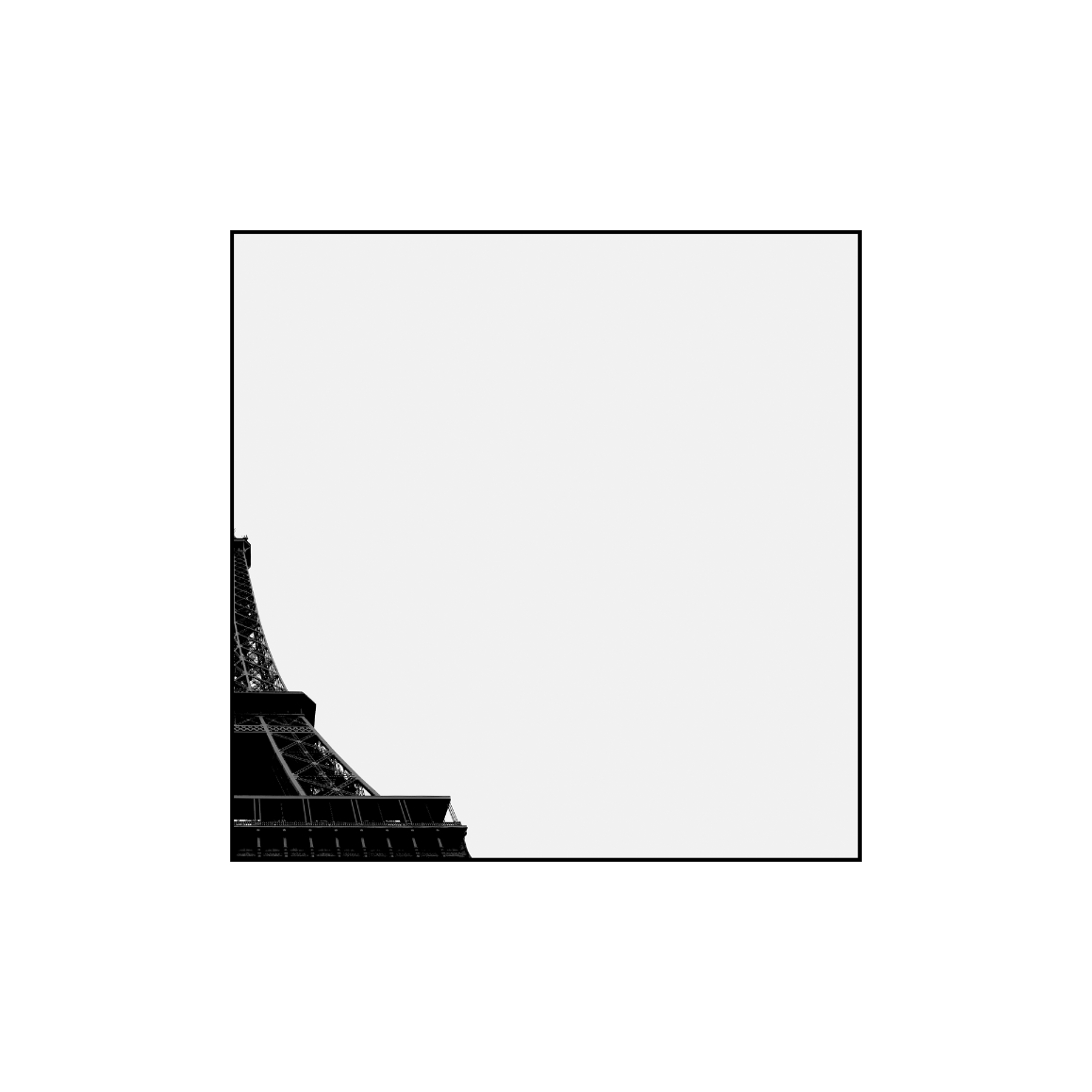
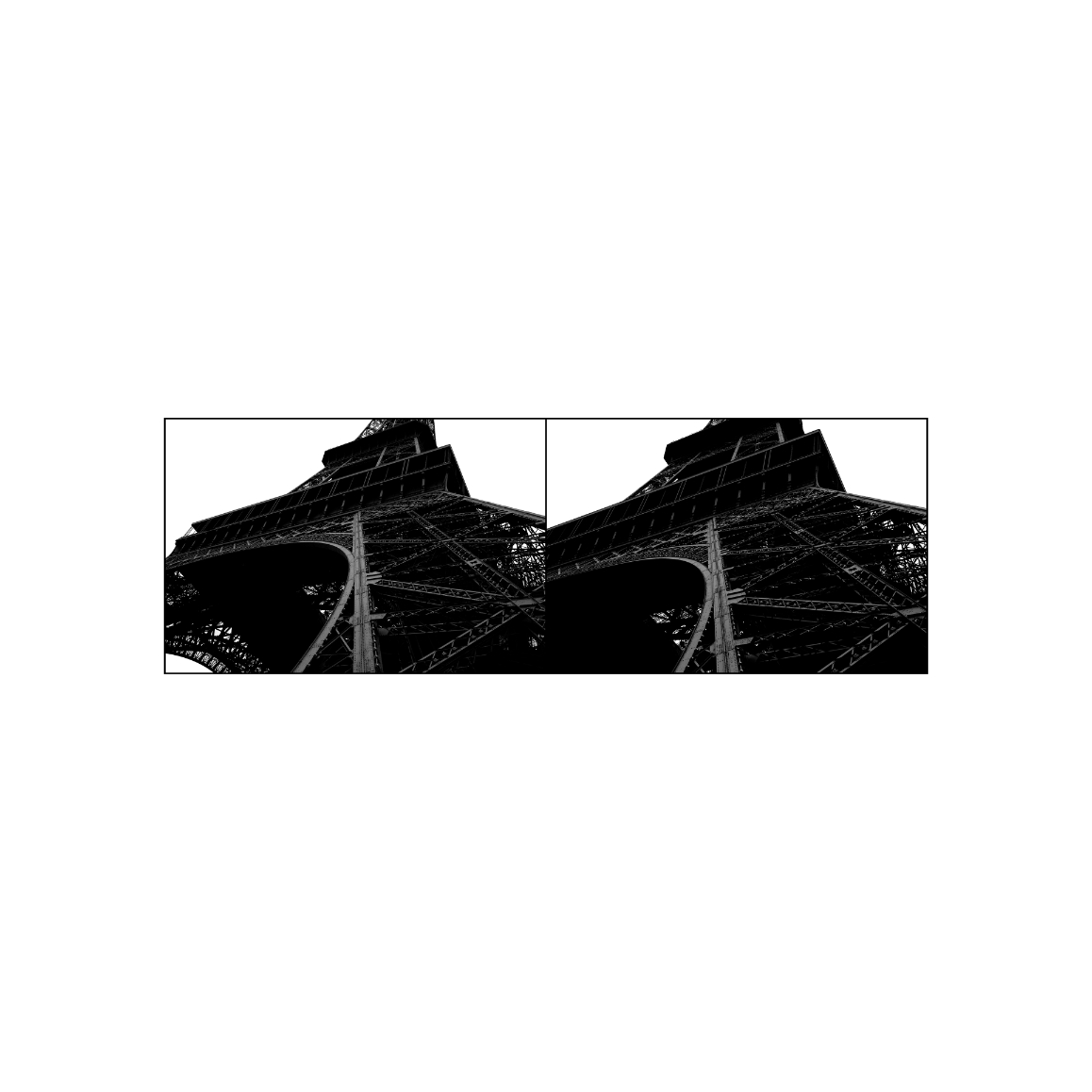
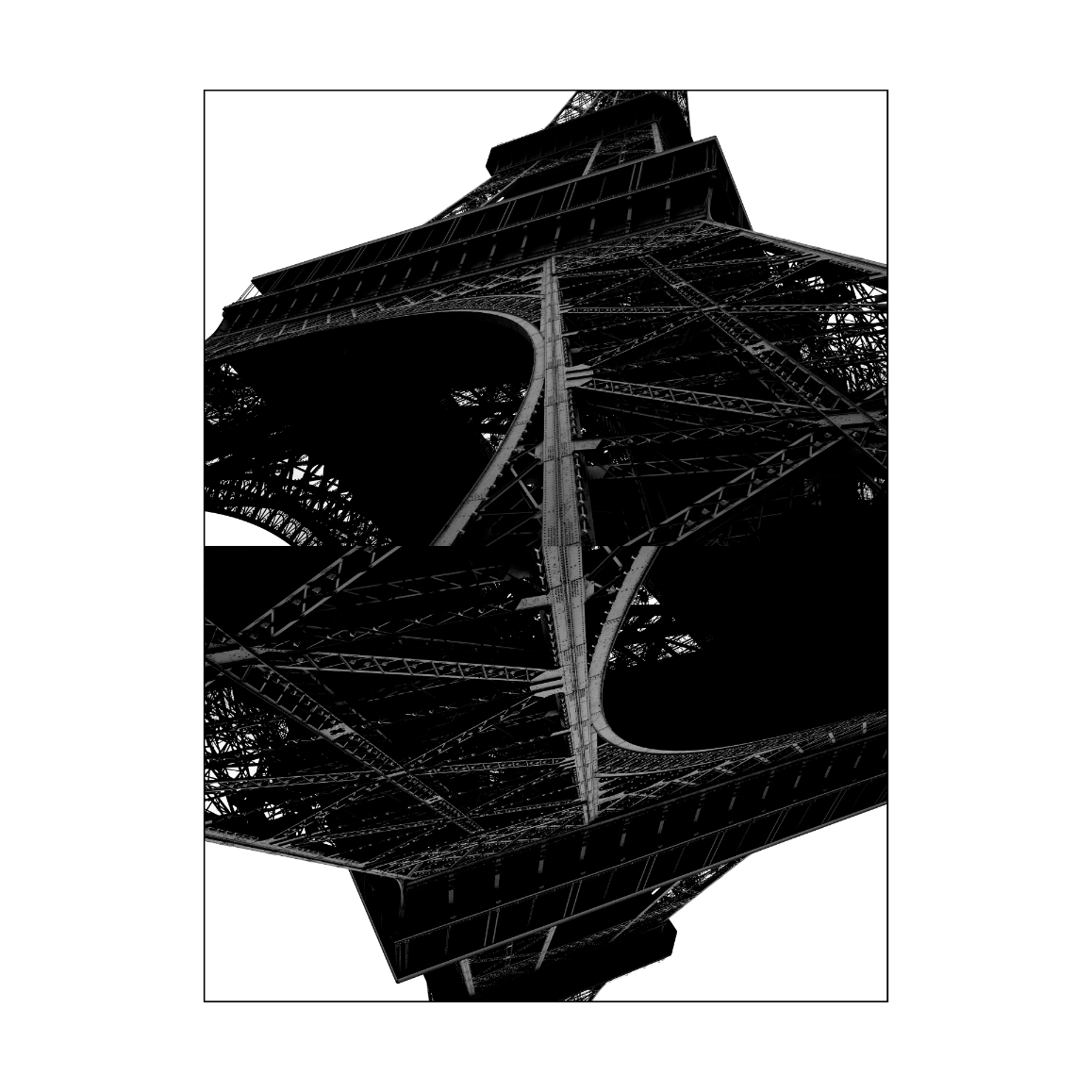
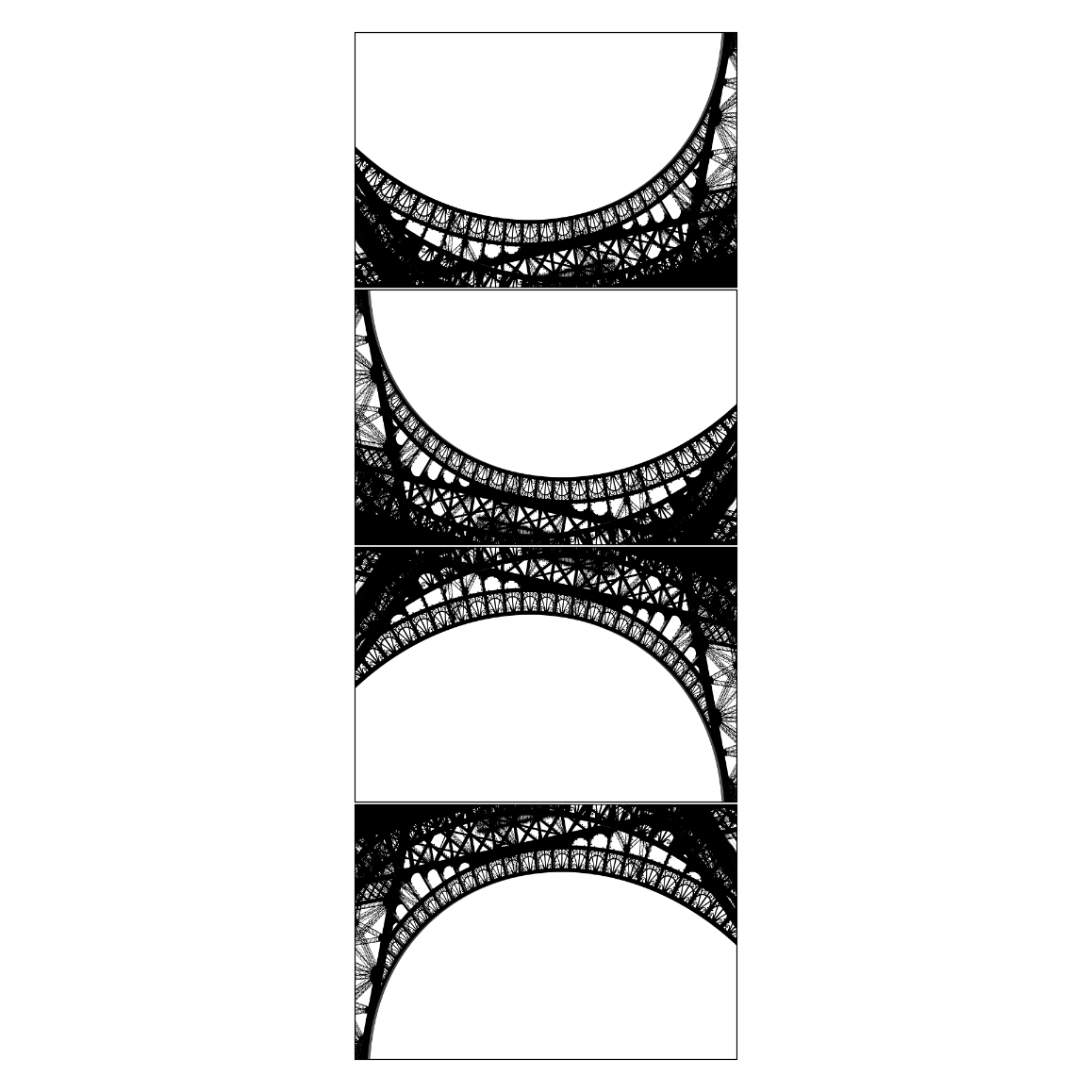
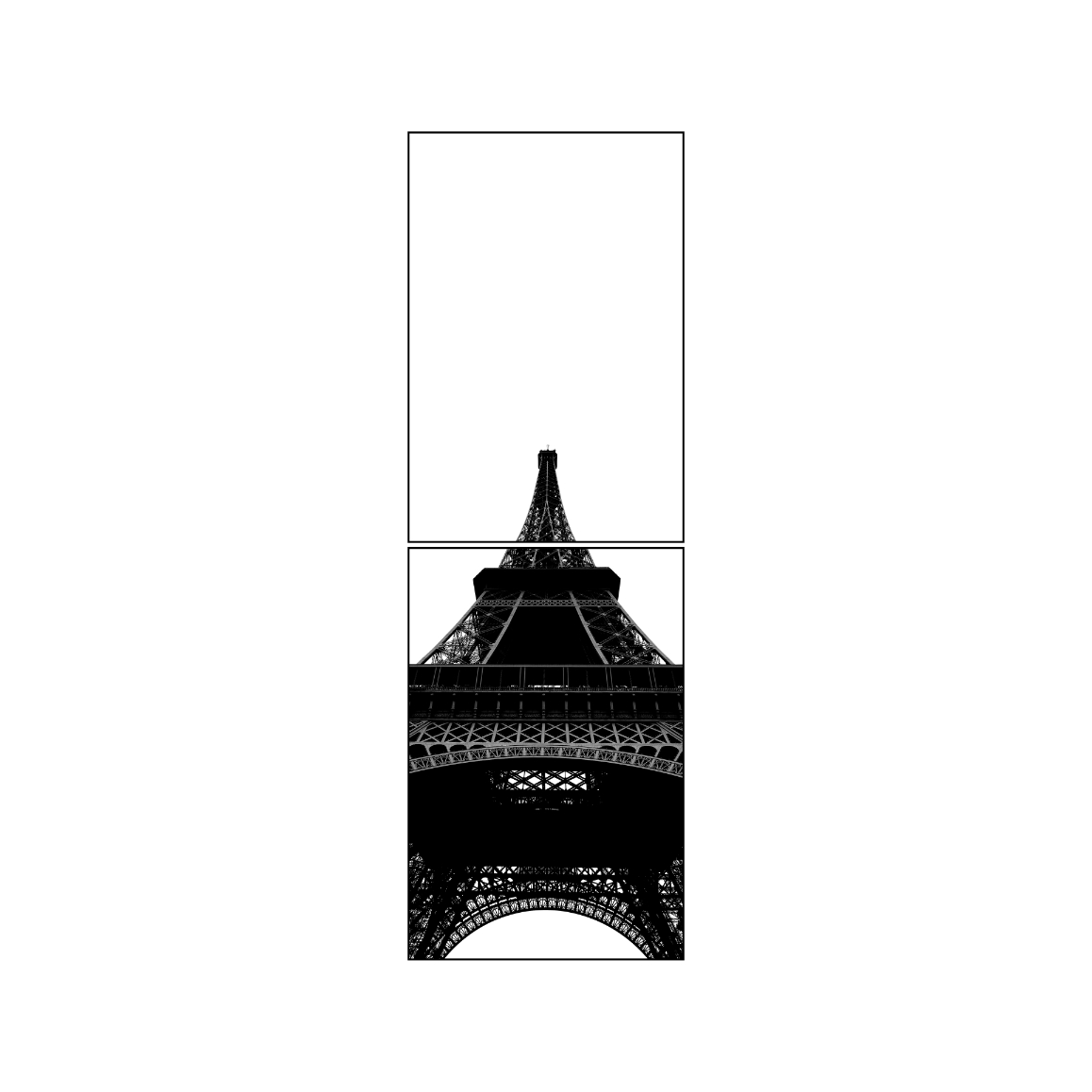
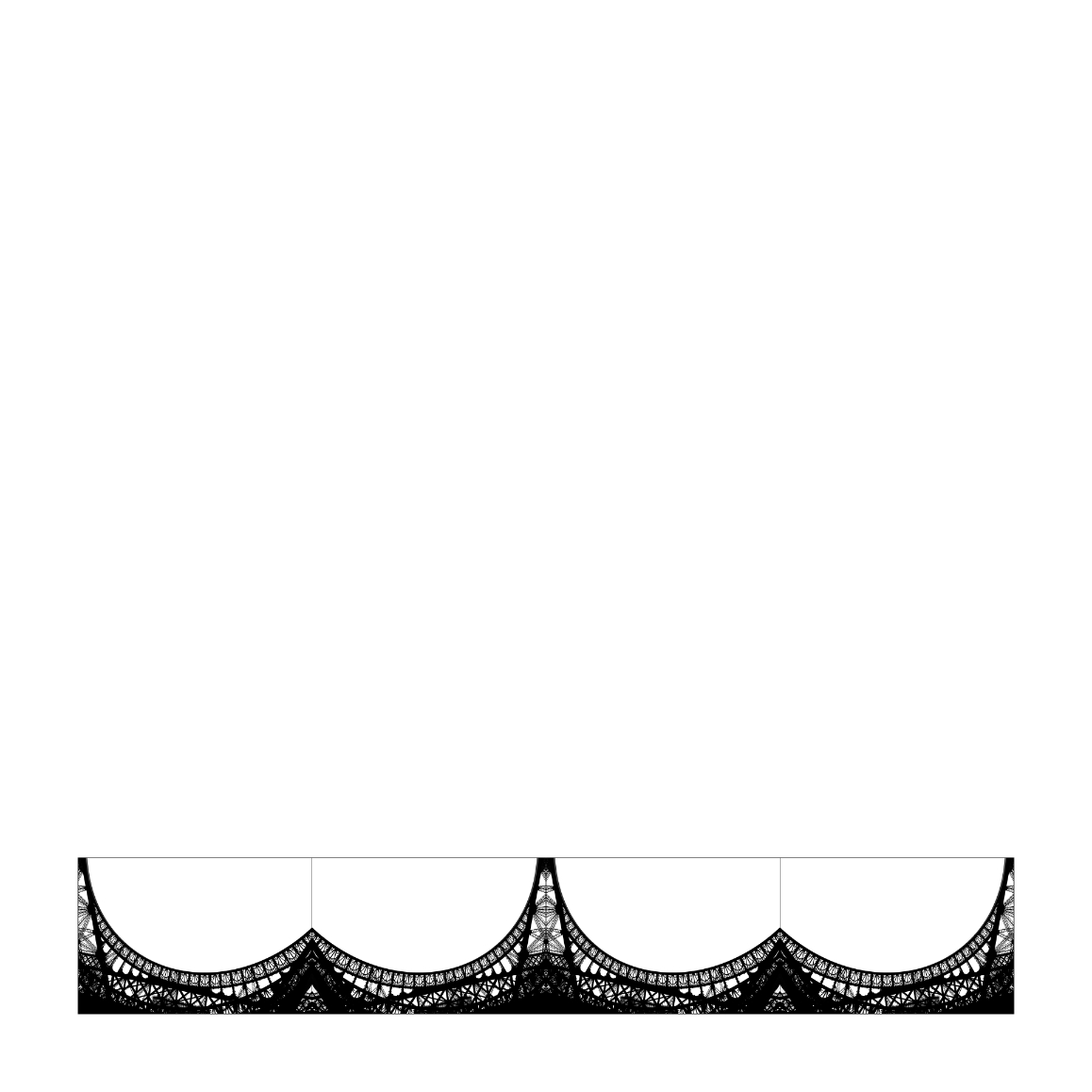
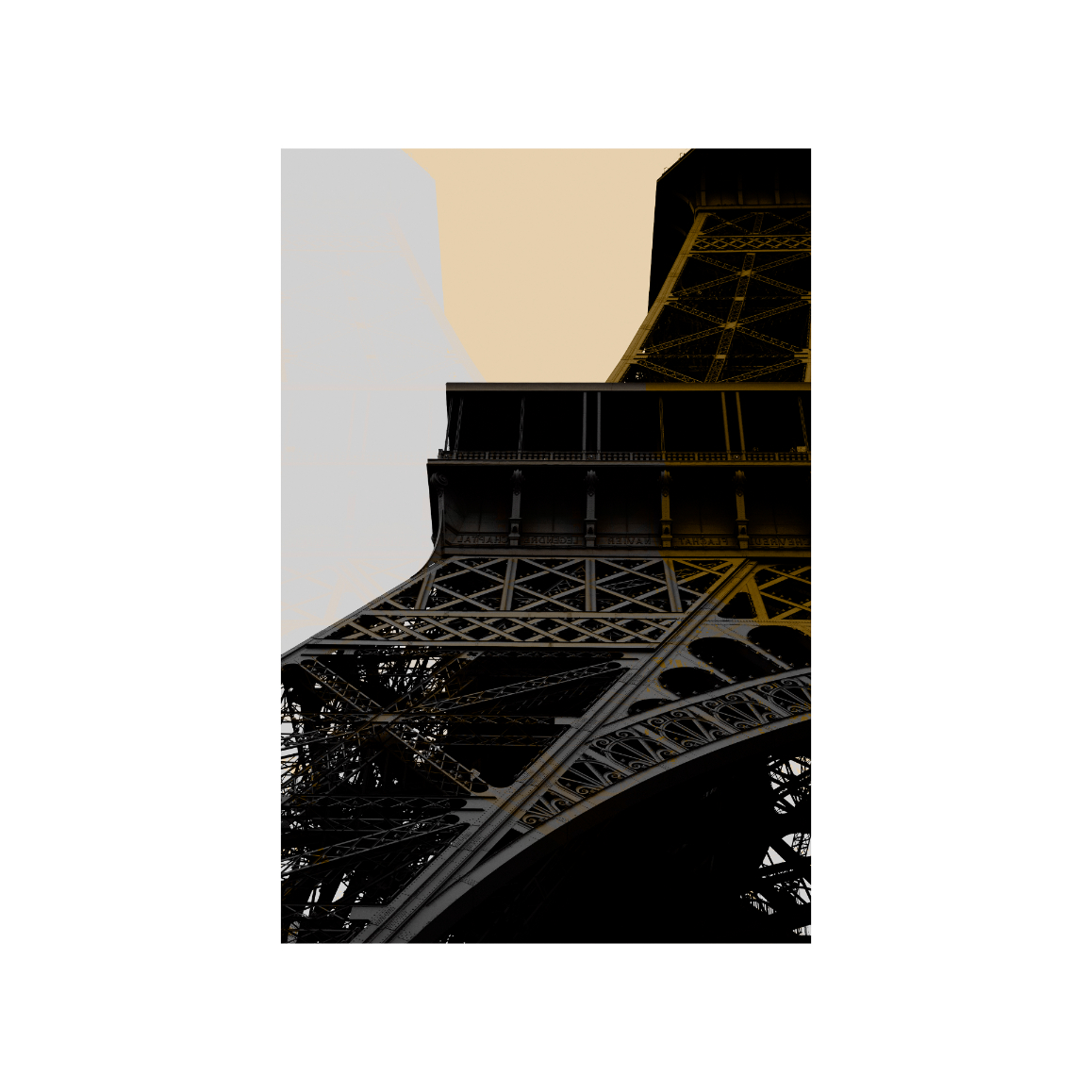
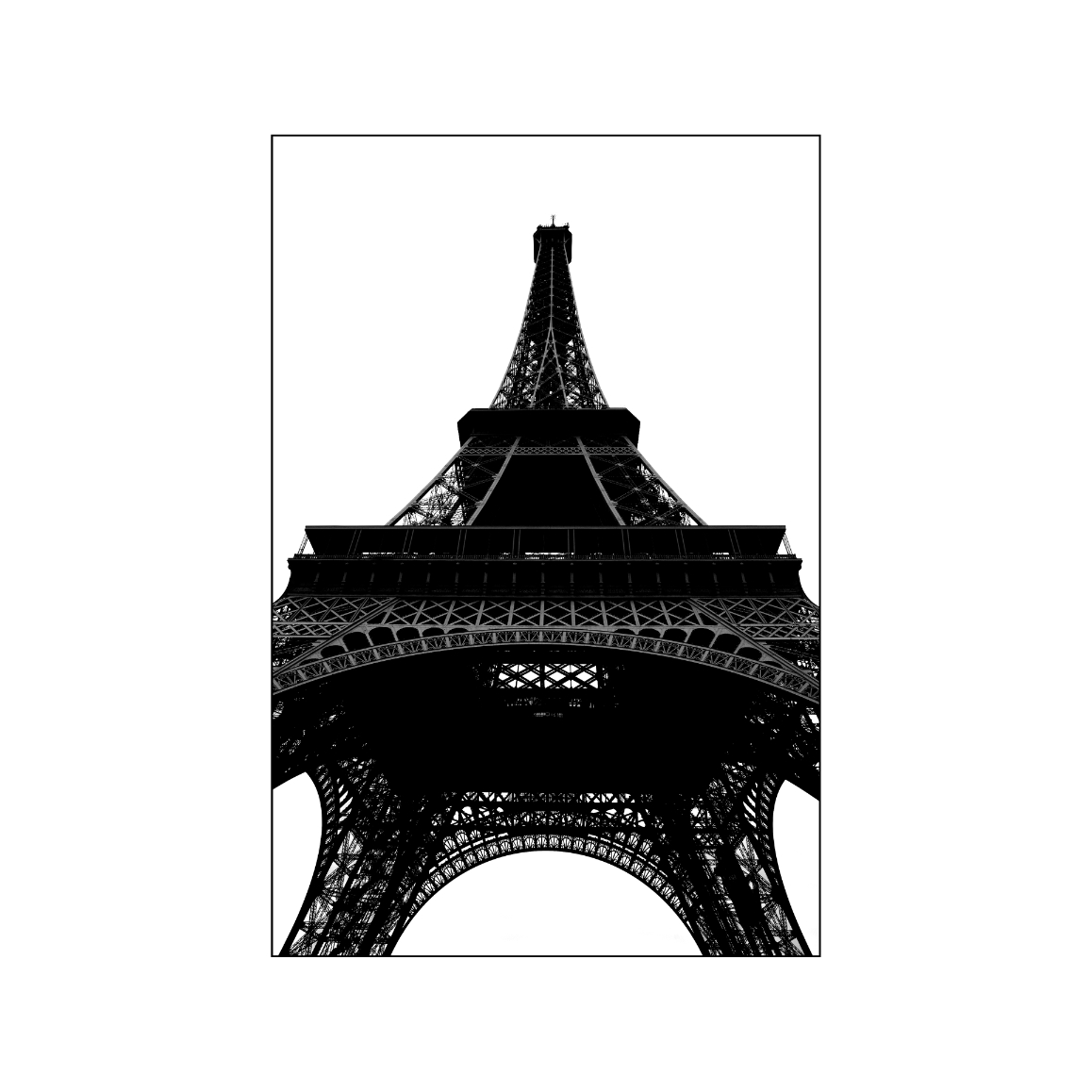
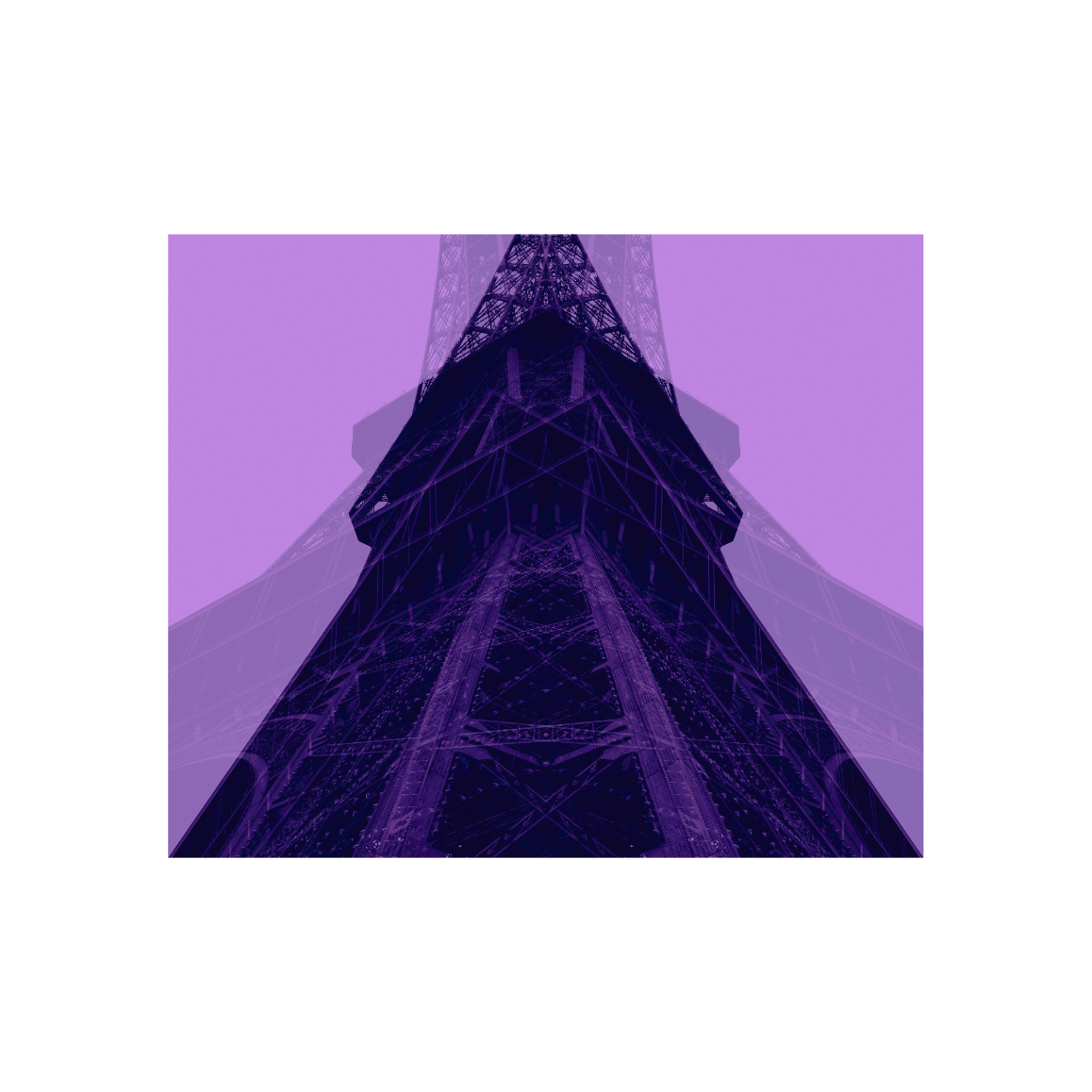
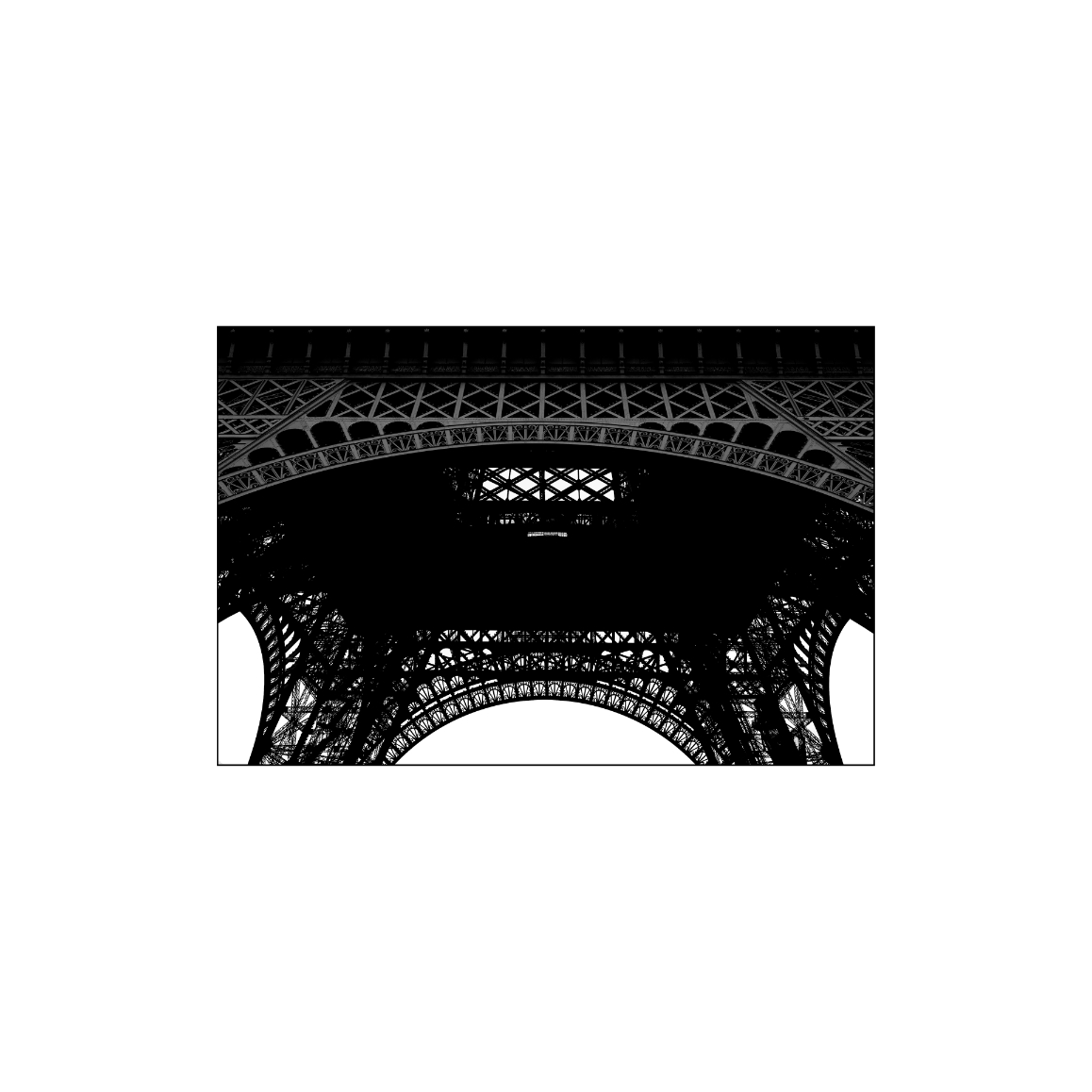

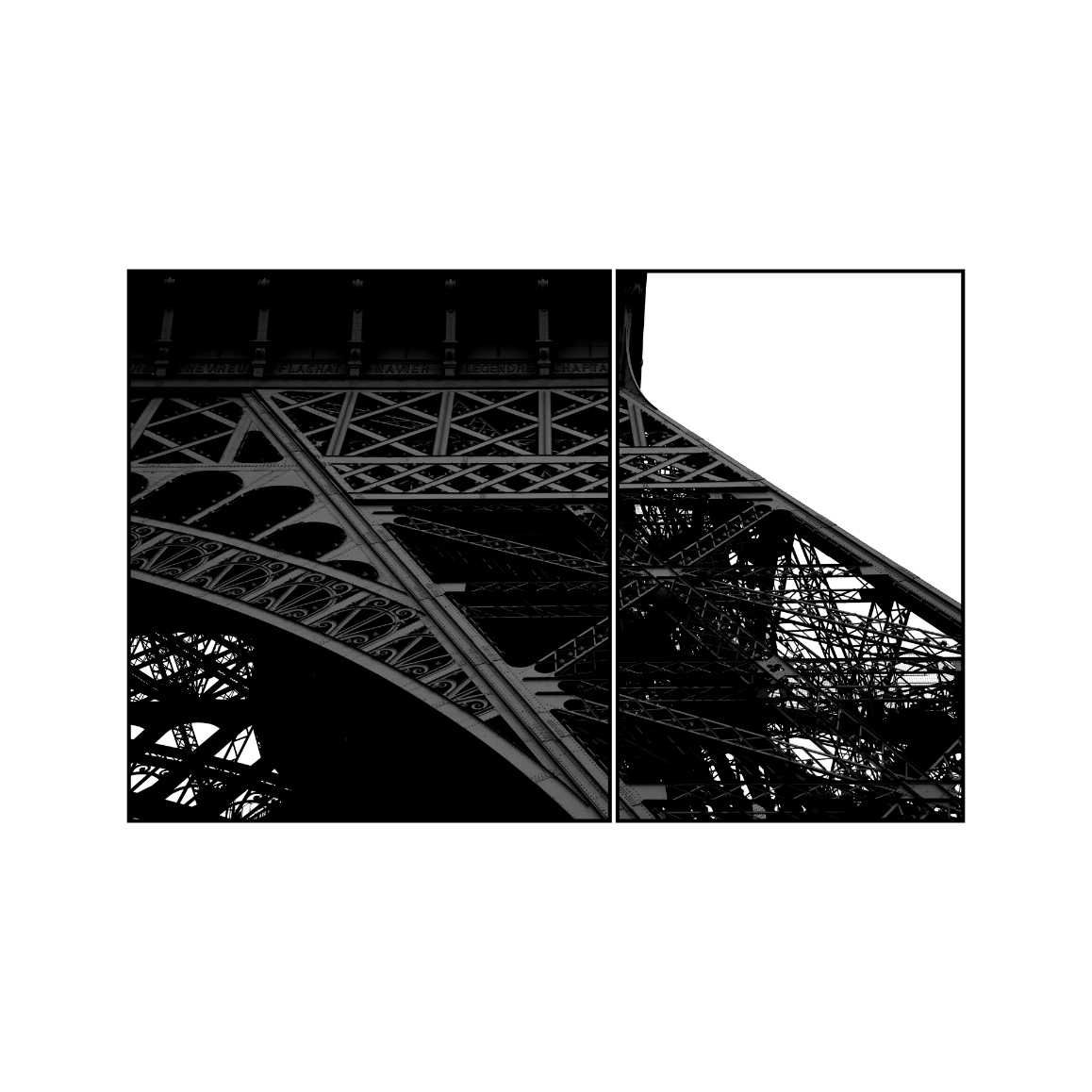
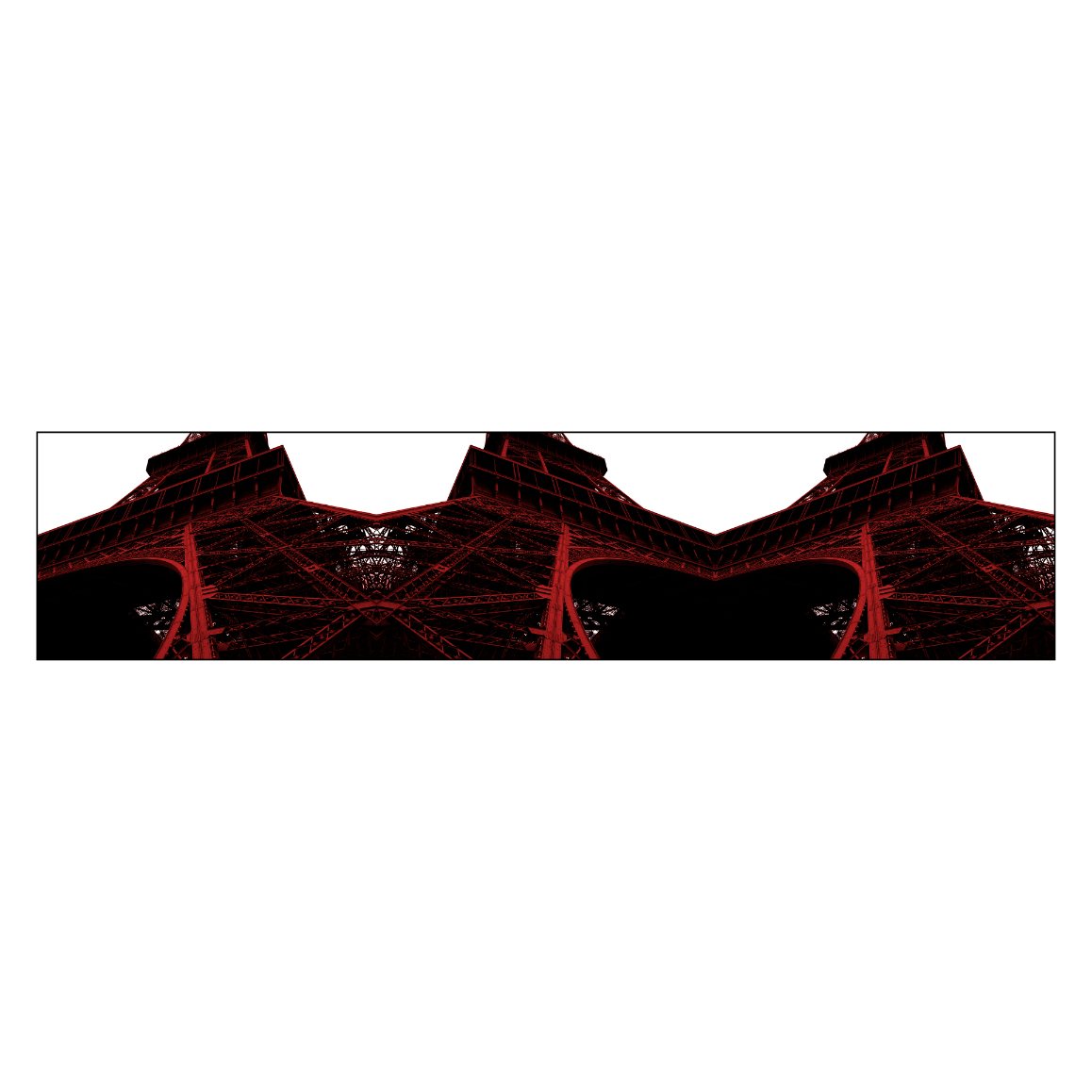
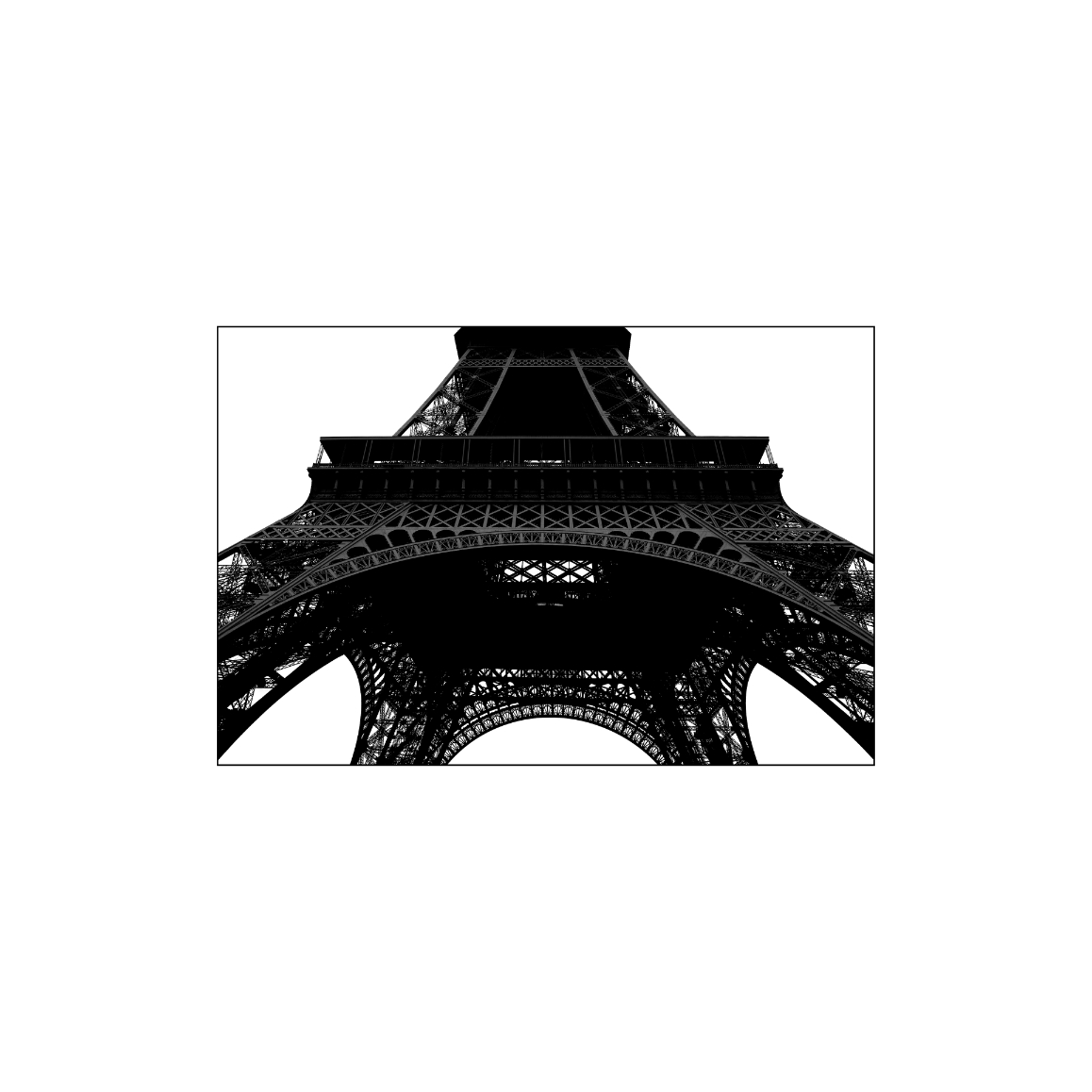
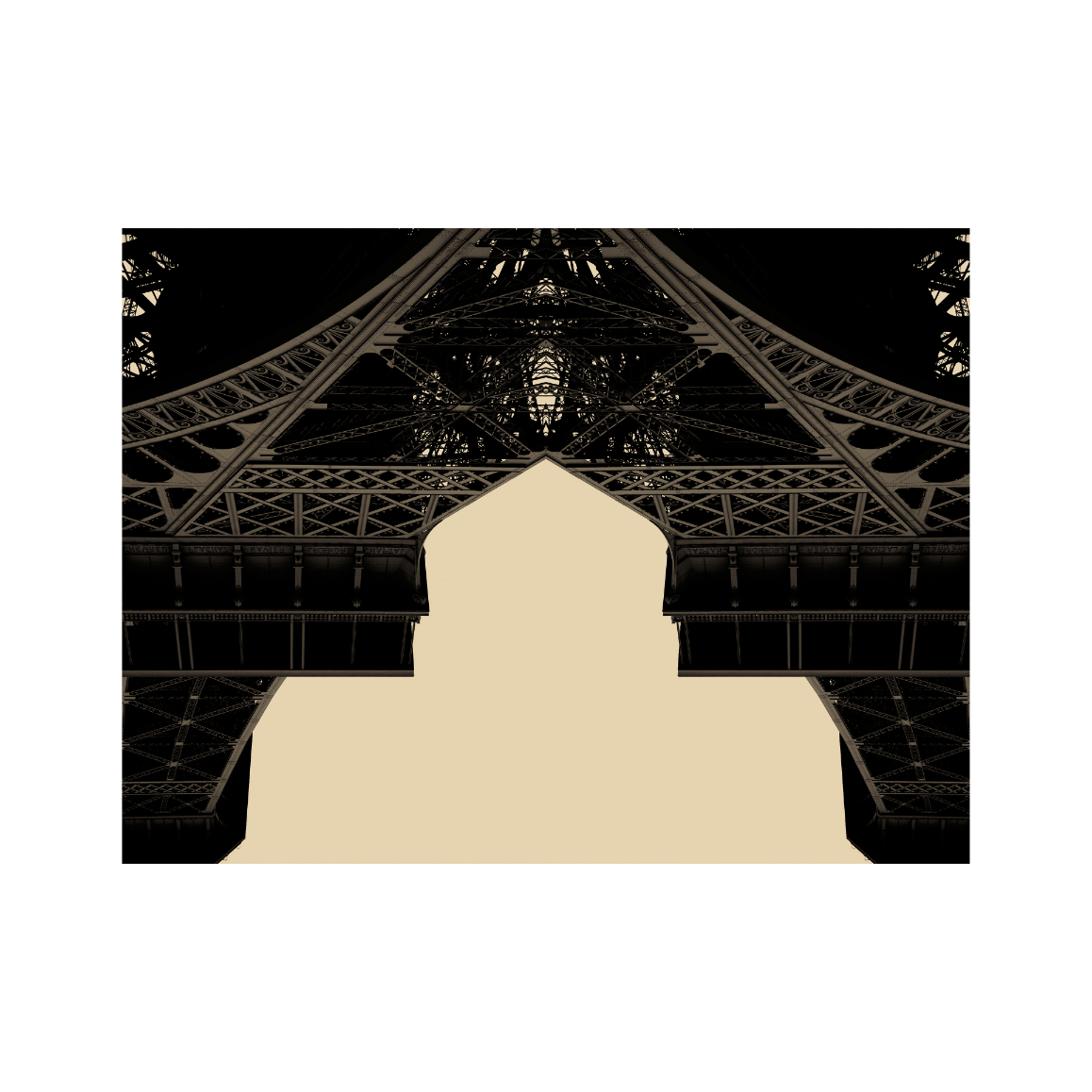
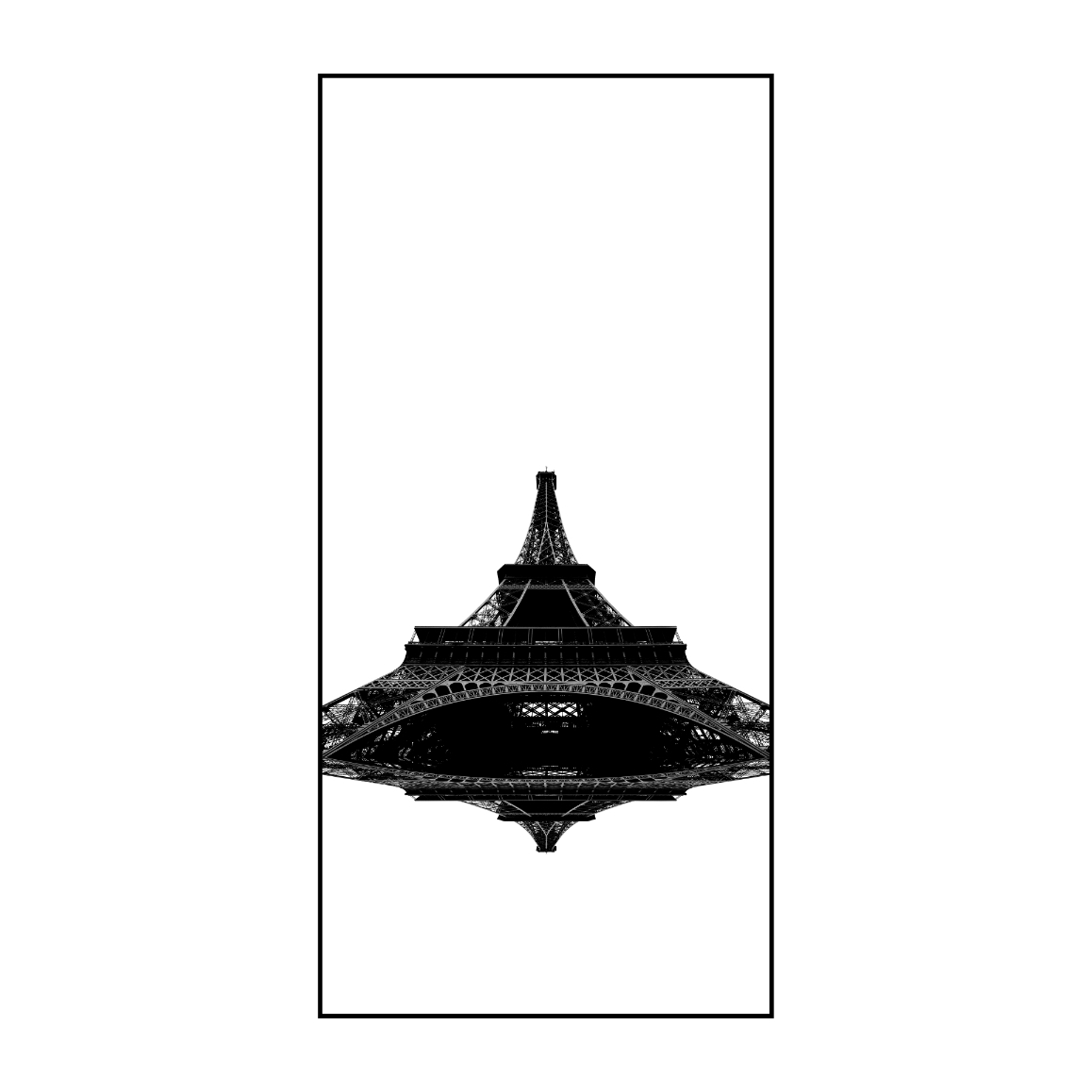
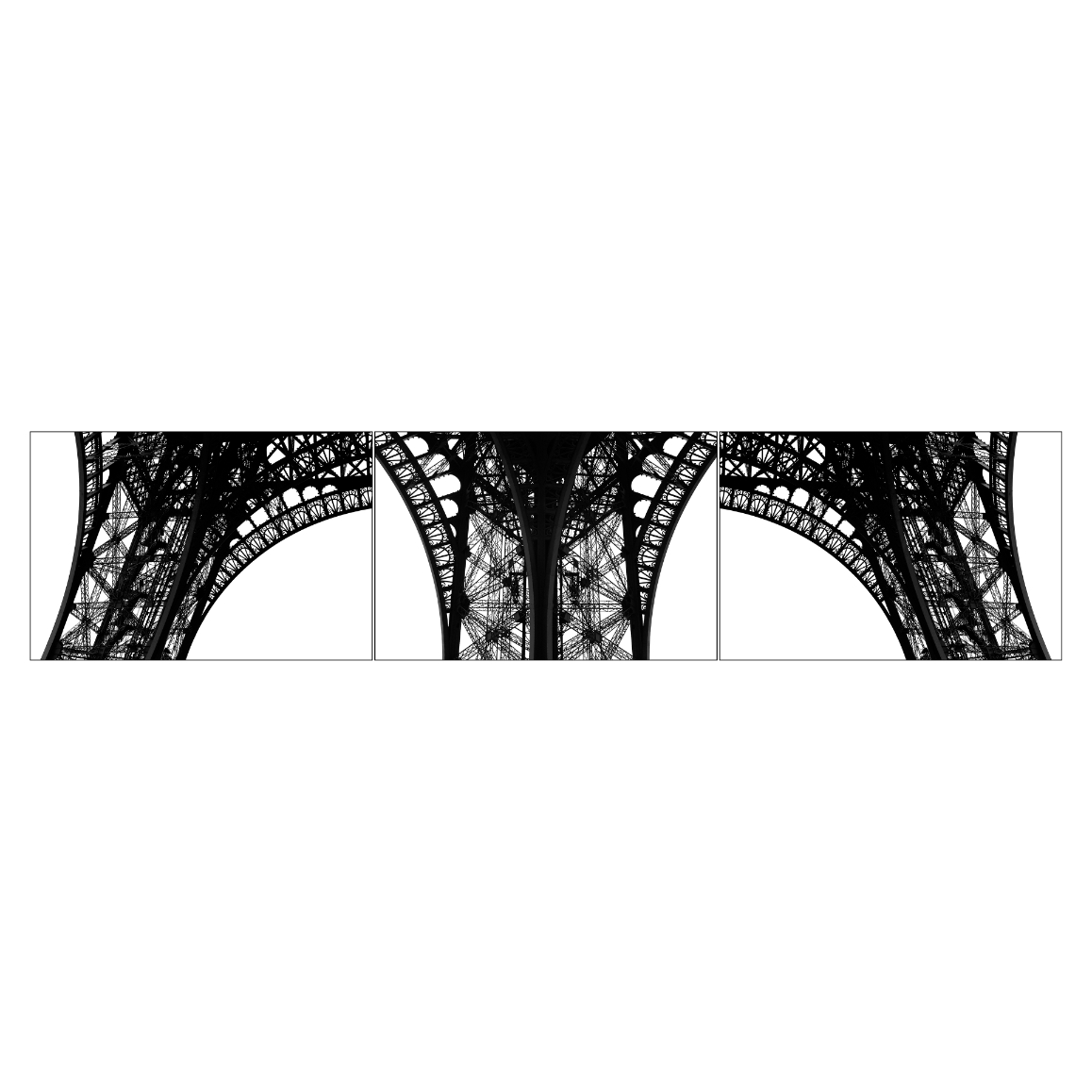
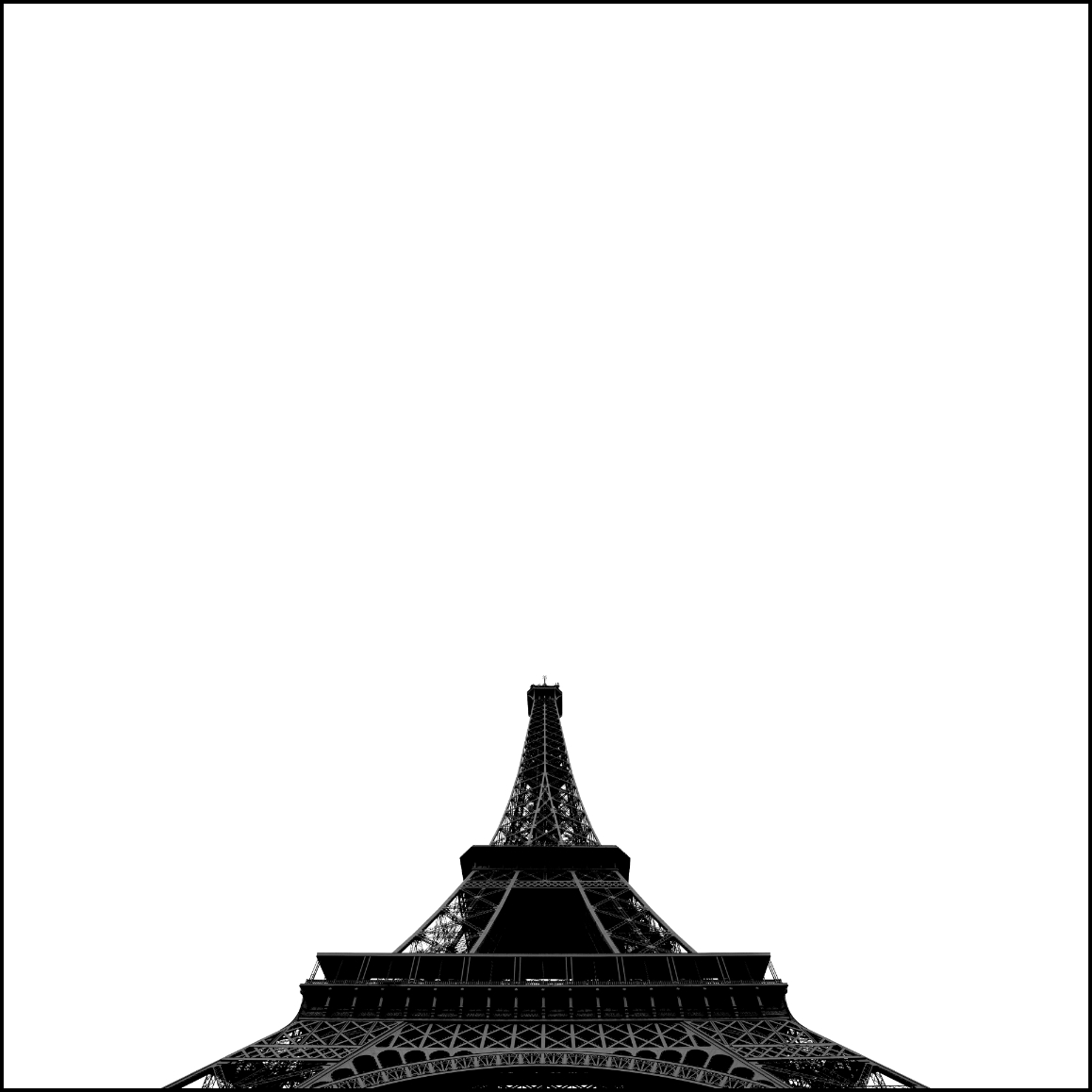
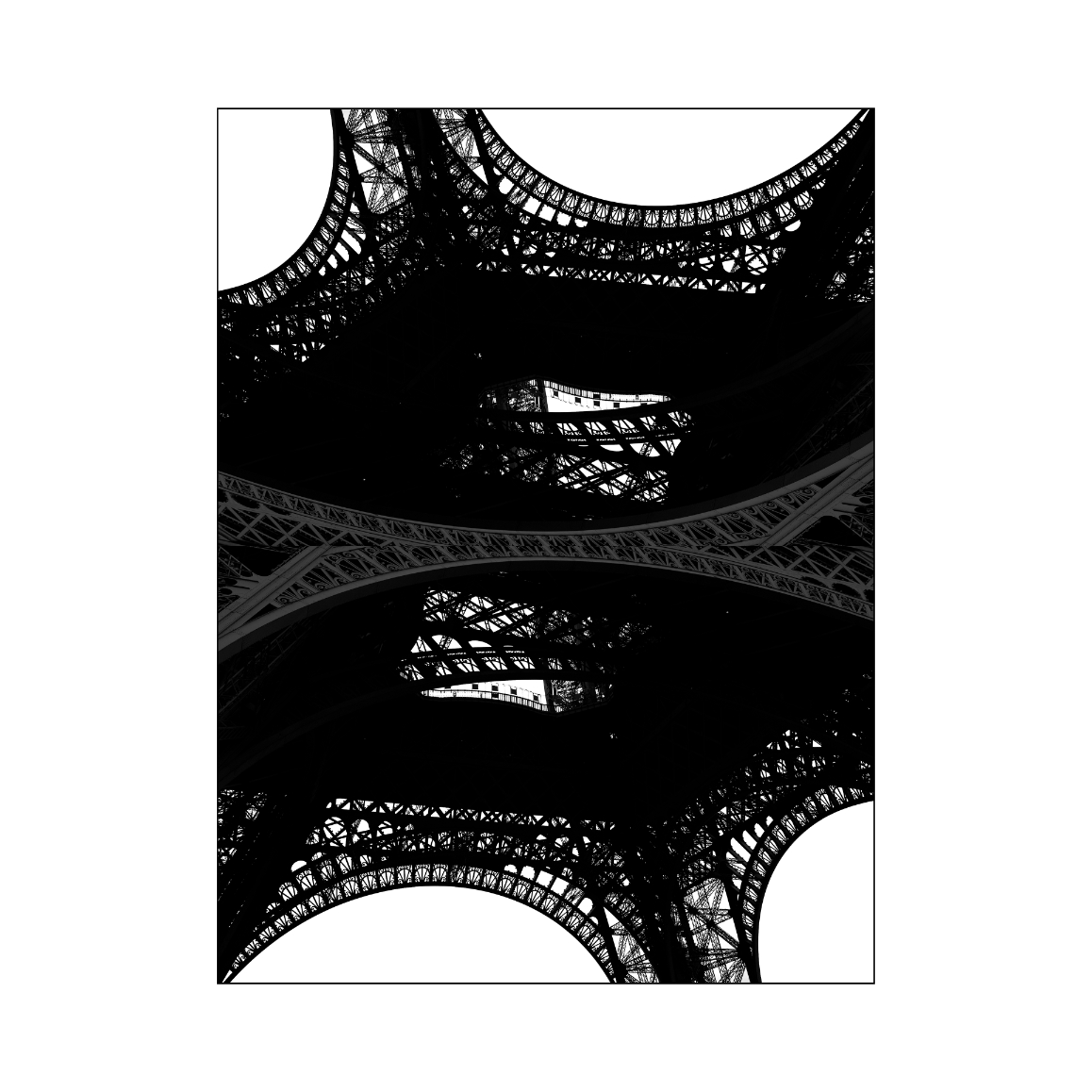
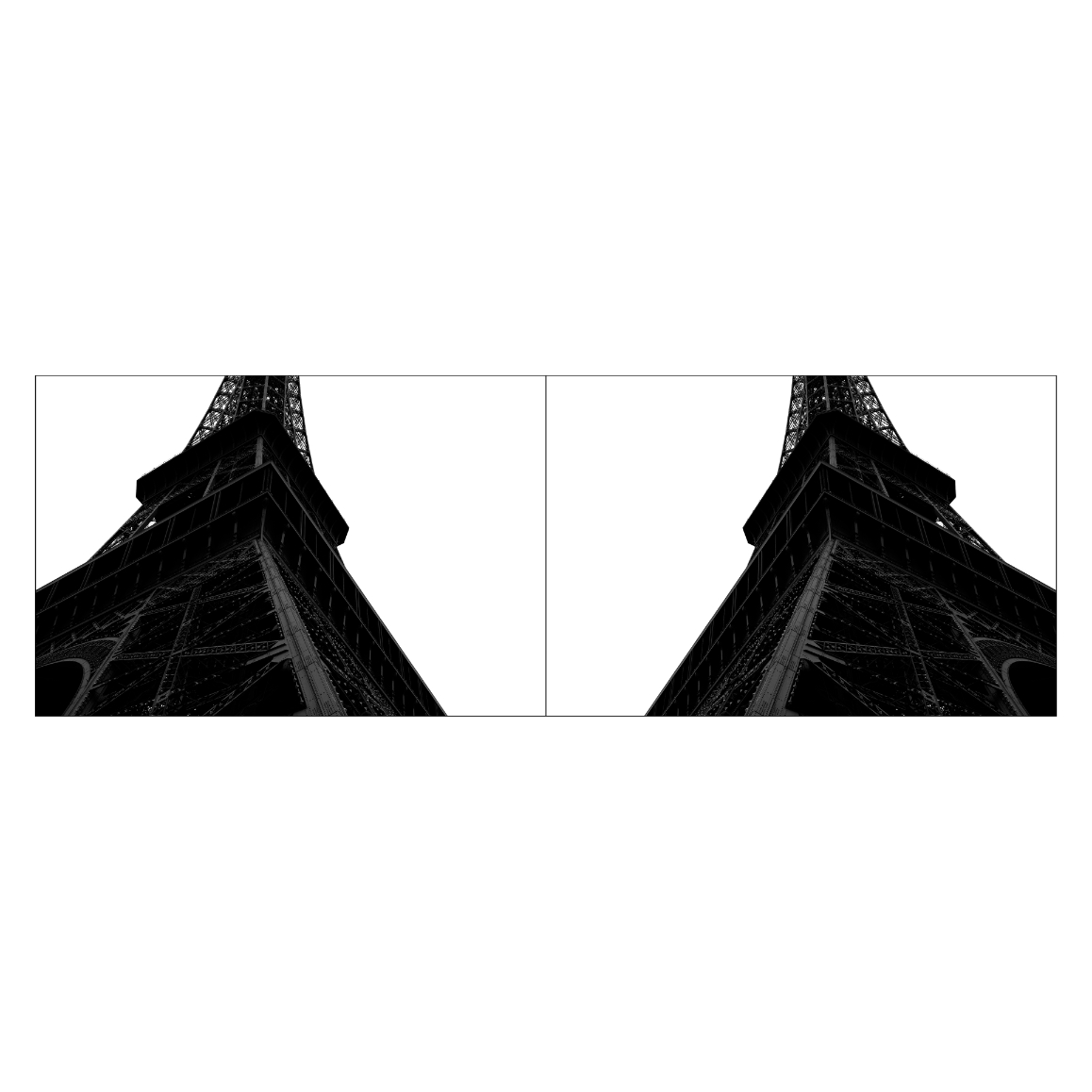
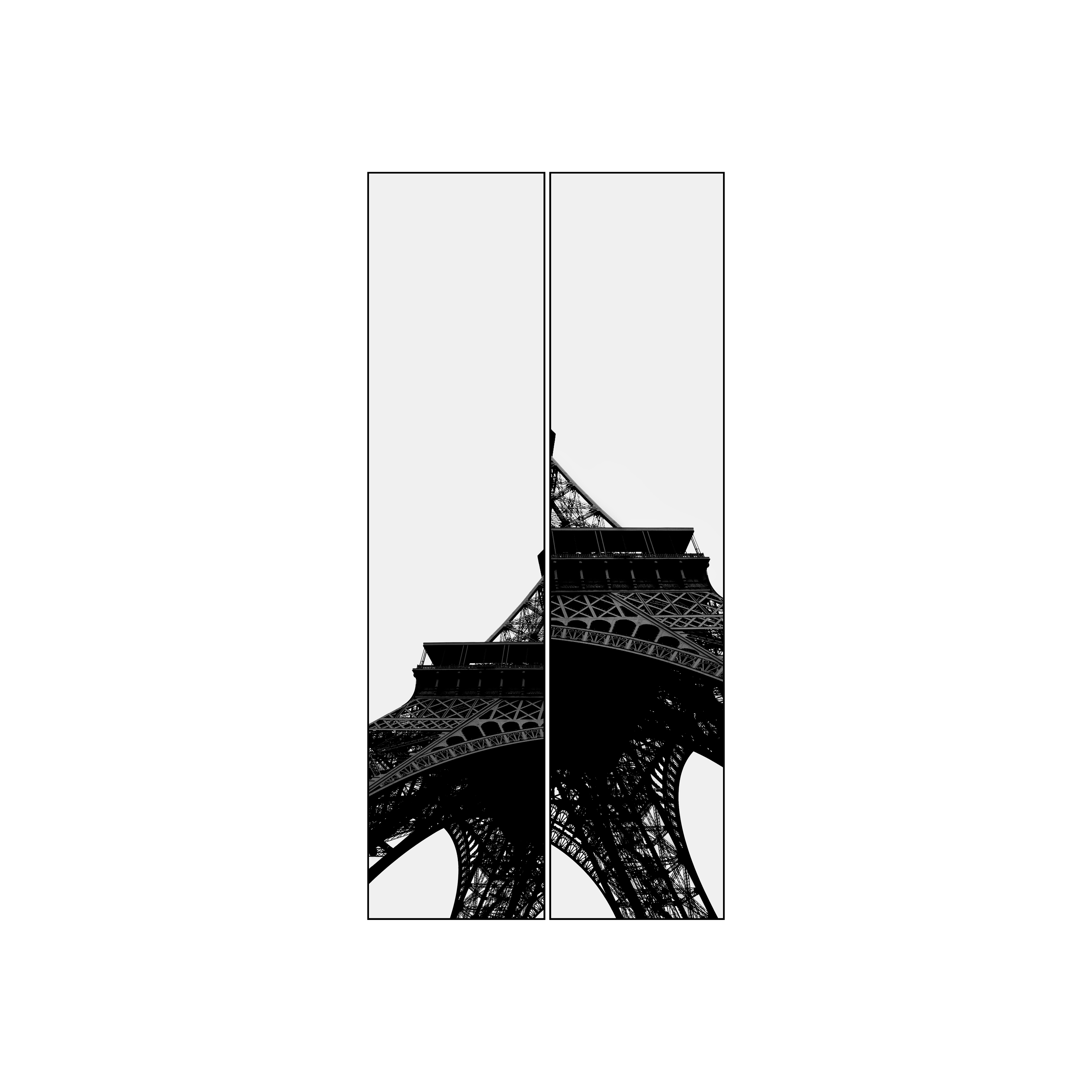
Eiffel O'Seven . 2007 . Untitled

1/1 Edition + 1 AP . Archival Pigment Print . 10”x10”

Eiffel O'Seven . 2007 . Untitled

1/1 Edition + 1 AP . Archival Pigment Print . 10”x10”

Eiffel O'Seven . 2007 . Untitled

1/1 Edition + 1 AP . Archival Pigment Print . 10”x10”

Eiffel O'Seven . 2007 . Untitled

1/1 Edition + 1 AP . Archival Pigment Print . 10”x10”

Eiffel O'Seven . 2007 . Untitled

1/1 Edition + 1 AP . Archival Pigment Print . 10”x10”

Eiffel O'Seven . 2007 . Untitled

1/1 Edition + 1 AP . Archival Pigment Print . 10”x10”

Eiffel O'Seven . 2007 . Untitled

1/1 Edition + 1 AP . Archival Pigment Print . 10”x10”

Eiffel O'Seven . 2007 . Untitled

1/1 Edition + 1 AP . Archival Pigment Print . 10”x10”

Eiffel O'Seven . 2007 . Untitled

1/1 Edition + 1 AP . Archival Pigment Print . 10”x10”

Eiffel O'Seven . 2007 . Untitled

1/1 Edition + 1 AP . Archival Pigment Print . 10”x10”

Eiffel O'Seven . 2007 . Untitled

1/1 Edition + 1 AP . Archival Pigment Print . 10”x10”

Eiffel O'Seven . 2007 . Untitled

1/1 Edition + 1 AP . Archival Pigment Print . 10”x10”

Eiffel O'Seven . 2007 . Untitled

1/1 Edition + 1 AP . Archival Pigment Print . 10”x10”

Eiffel O'Seven . 2007 . Untitled

1/1 Edition + 1 AP . Archival Pigment Print . 10”x10”

Eiffel O'Seven . 2007 . Untitled

1/1 Edition + 1 AP . Archival Pigment Print . 10”x10”

Eiffel O'Seven . 2007 . Untitled

1/1 Edition + 1 AP . Archival Pigment Print . 10”x10”

Eiffel O'Seven . 2007 . Untitled

1/1 Edition + 1 AP . Archival Pigment Print . 10”x10”

Eiffel O'Seven . 2007 . Untitled

1/1 Edition + 1 AP . Archival Pigment Print . 10”x10”

Eiffel O'Seven . 2007 . Untitled

1/1 Edition + 1 AP . Archival Pigment Print . 10”x10”

Eiffel O'Seven . 2007 . Untitled

1/1 Edition + 1 AP . Archival Pigment Print . 10”x10”

Eiffel O'Seven . 2007 . Untitled

1/1 Edition + 1 AP . Archival Pigment Print . 10”x10”

Foreword

‘Kuukan – Space; is the limitation of one and the opportunity of another’

Eiffel O’Seven is a choreography of contrasts.

Movement and stillness are an integral part of the dance of life and Shibu’s new work personifies this contrast.
Architecture had seemed like a dead space until one day, in ‘seeing’ the 4th dimension of time; the inherent movement in the same seemed like a Zen whack in the head.
Whether it is the rhythm in repetition, the element of analogue in the linearity, the composition of space and time, the distortions, the interplay of colour and starkness, monochromatic hues birthing innumerable relationships with the imagery, the series reiterates the permanence of transformation and movement.

Empty space penetrated by light, filling itself with itself.

Yang is born of the Yin and expands until it dissolves into the Yin again.
The Eiffel tower is a powerful image of both the obvious masculine associations and of implicit feminity. The polarities, the Lingam and the Yoni, the still and the dynamic.
The photography seems to caress the architecture and the subsequent play of colour and ‘non-colour’ allowing us to drift into the empty spaces, the spaces that are not obvious and there is born the idea of creating our own stories as we look at another series on one of the world’s most photographed buildings.

On a lighter note, despite its solidity, the Eiffel tower like parts of Gaudi’s Sagrada de familia reminds one of the under belly of a fantastical creature, ready to take off! Shibu too has utilised a childlike curiosity in treating some of the imagery.

Shibu’s approach, apart from being fiercely personal, reflects his sensitivity and originality. One is quietly struck by the varied dimensions the series takes on.

The innovative battle formations of Alexander the Great comes to mind when viewing this series. Alexander’s ingenuity in merging existing ideas with vision and creativity on the battlefield by the deployment of the Vanguard, penetrating deep into enemy lines, rounding off, closing back in on the enemy, while the light infantry are let loose on the enemy flanks.

A definite victory, a choreography of bloodshed.

Eiffel O’seven transforms from white to red leaving an impression of dissolution. And from dissolution arises a new birth, and it is in this fragmentation and distortion that Shibu’s perception, his space breathes.

Japanese Martial Art, like Dance, is about space, the giving space, the space that has room for more, and a space that is always left imperfect.

The imperfection is what gives birth to spontaneity and change.
Space, whether occupied or unoccupied, can therefore be an opening for peace or a shield from harm. And this idea echoes in Shibu’s juxtaposition of geometry, asymmetry, and imbalance.

A breathing space for our imaginations, our imperfections, and our own choreographies.

Madhu Nataraj
Nikolaj Kielland
Bangalore . India . 2009

Madhu Nataraj is a Kathak/Contemporary dancer and choreographer and the artistic director of the Natya stem Dance Kampni.She performs, designs projects, and is a panellist on important arts and academic institutions worldwide.Her signature style is collaborative and she believes that tradition and modernity need to coexist and this ideology reflects in her dance idiom.

Nikolaj Kielland is India’s only 10th Dan Black Belt in Bujinkan Ninjutsu, under the tutelage of Grand Master Masaaki Hatsumi of Japan. Despite a Masters in International Affairs he chooses to live the ideology and life of a martial artist, a life that is about existing in the space in between.He teaches and collaborates, utilising Ninjutsu as a medium of expression.

Foreword

. . .

Artist’s Note

My first experience of the Eiffel was back in 1998, when I backpacked around western Europe just after having graduated from college and it left me absolute- ly overwhelmed. For someone who came from India, I felt I wasn’t going to be so easily overwhelmed by most things in Europe, especially architecture. And even though I stayed in Paris for just two days and missed seeing most of it, the Eiffel firmly found a place in my imagination for a long time. Well known about the Eiffel, apart from being Paris’ and sometimes France’s symbol is that, it was vehemently disliked by most Parisiens when first built. The Nazis even used it as a radio tower during their World War II occupation. And it has somehow even become a custom, all be it cliched, for every man who visits the top of the tower along with his lady love to want to propose marriage there. Besides all of this, one can’t seem to miss the Eiffel from most balconies or rooftops in Paris or anywhere else for that matter, most times being like the north on a traveller’s compass.

Hence, when I did get a chance to go back to Paris in September of 2007 after nine long years, I certainly wanted to go back and see this old friend. Since the first time I photographed it, I got so little time to do so, I decided this time I was going to be more anaylitical and for the lack of a better word more surgical. Only so that I could break up my favorite structure in Paris into its most interesting sections. I had seen some of the famous Parisien archi- techture the last time and although I could appreciate the grandeur of most of it, the Eiffel was more my thing. Being an abstractionist at heart, one whose work has serious graphic influences and someone who is fascinated by form and scale, this was it. I had also later on planned to interpret some images I had shot into my visual signature style of mirrored montages and composite images put together as one work, except this time around I intended to introduce a select palette of colour into them. In my treatment, I have consciously disected and down scaled the Eiffel into very detail rich, graphic and intimate images, while still maintaining it’s iconic stature. What one shall see as the final series called ‘Eiffel O’Seven’ is a result of just that.

Shibu Arakkal.
Bangalore . India . 2009

Artist’s Note

. . .

Reviews

Countless visitors to Paris have taken pictures of Eiffel Tower, one of Europe’s most recognizable icons. When Shibu Arakkal’s latest solo show is termed Eiffel O’Seven, it is bound to be all about Eiffel Tower. And so it is. You can see glimpses of the tower in simple montages, layers, mirrored as well as over-contrasted images.

Shibu, whose work has featured at several galleries abroad as well as India, has told a monochromatic tale of the Eiffel Tower, capturing it in an oriental manner. Shibu notes that his inspiration for the show was the Japanese printmakers. ‘The photographs show an oriental treatment of a European subject. Stark white over-contrasted skies taking in swift decisive strokes of what seems must have come from a Samurai’s Katana (a single edged Japanese sword) form outlines for what is essentially a European icon,’ he explains.

Thus, the repetitive appearance of the ‘crosshatched lines’ of the Eiffel in white spaces in his ‘appointed colour palette that punctuates the graphic monochromes’ offer an interesting viewpoint. There has been an effort to juxtapose fragments of the Eiffel to form unexpected patterns which, among other things, display the photographer’s obvious delight creating them.

Shibu’s tryst with the Eiffel began in 2007, hence the show’s title, although a brief visit in 1998 had left him, as he says, ‘overwhelmed. For someone who came from India, I felt I wasn’t going to be easily overwhelmed by most things in Europe, especially architecture. And even though I stayed in Paris for just two days and missed seeing most of it, the Eiffel firmly found a place in my imagination for a long time.’ It is this imagination that has given the pictures of Eiffel O’Seven a dramatic yet stark undercurrent.

Jayanthi Madhukar

Reviews

. . .