
Foreword
A Choreography of Elusive Possibilities:
Shibu Arakkal’s Duality Series
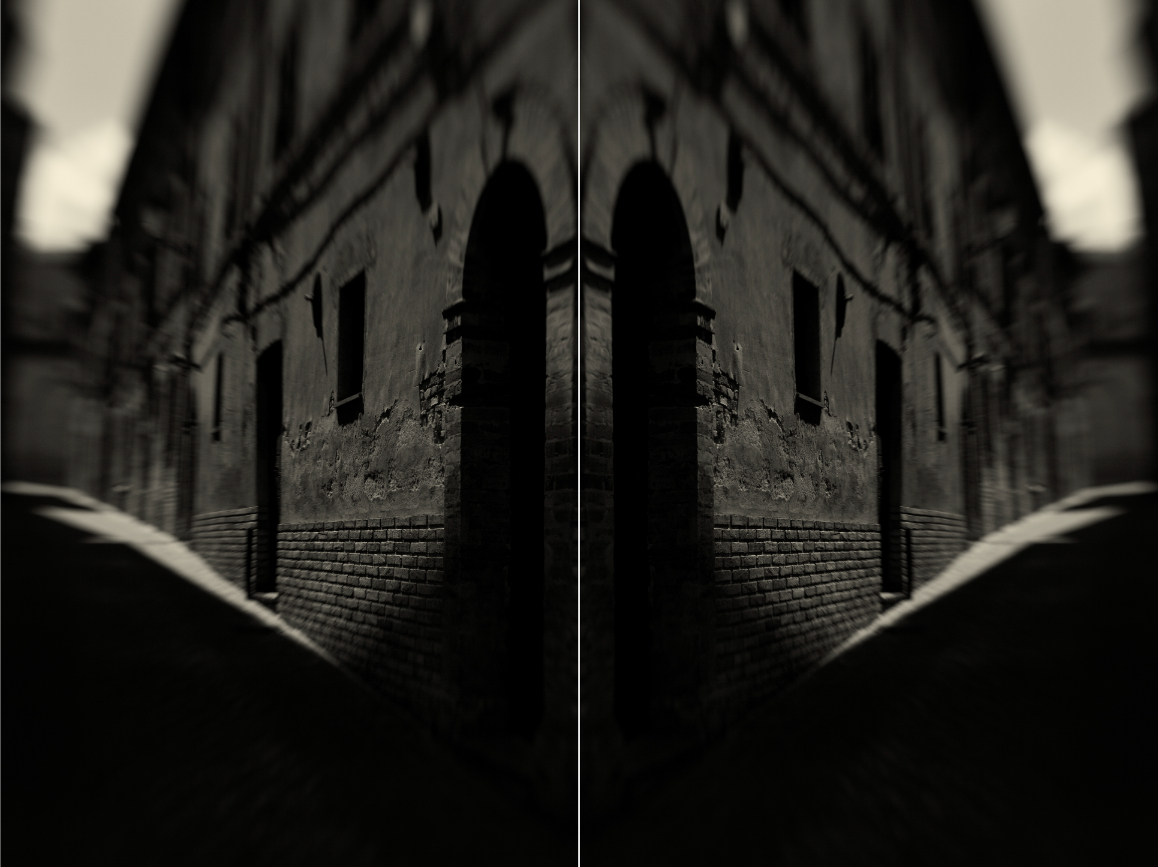
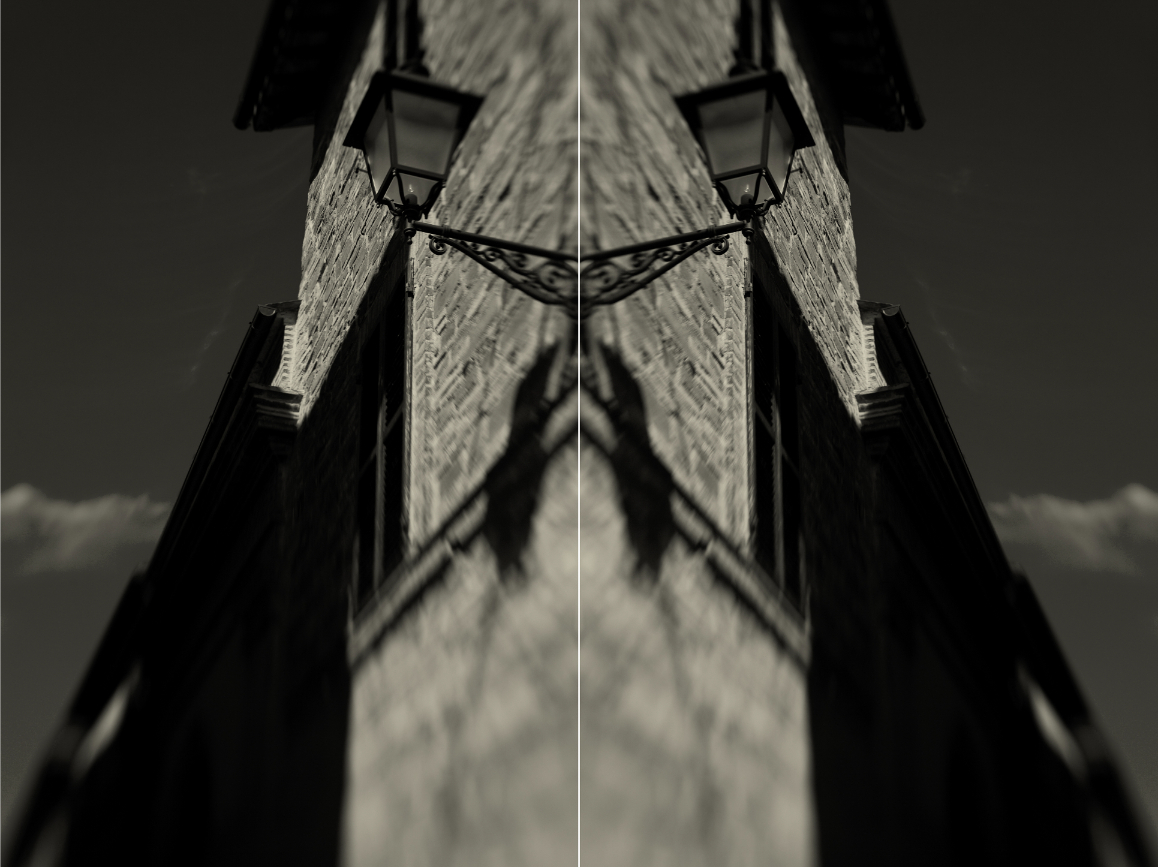
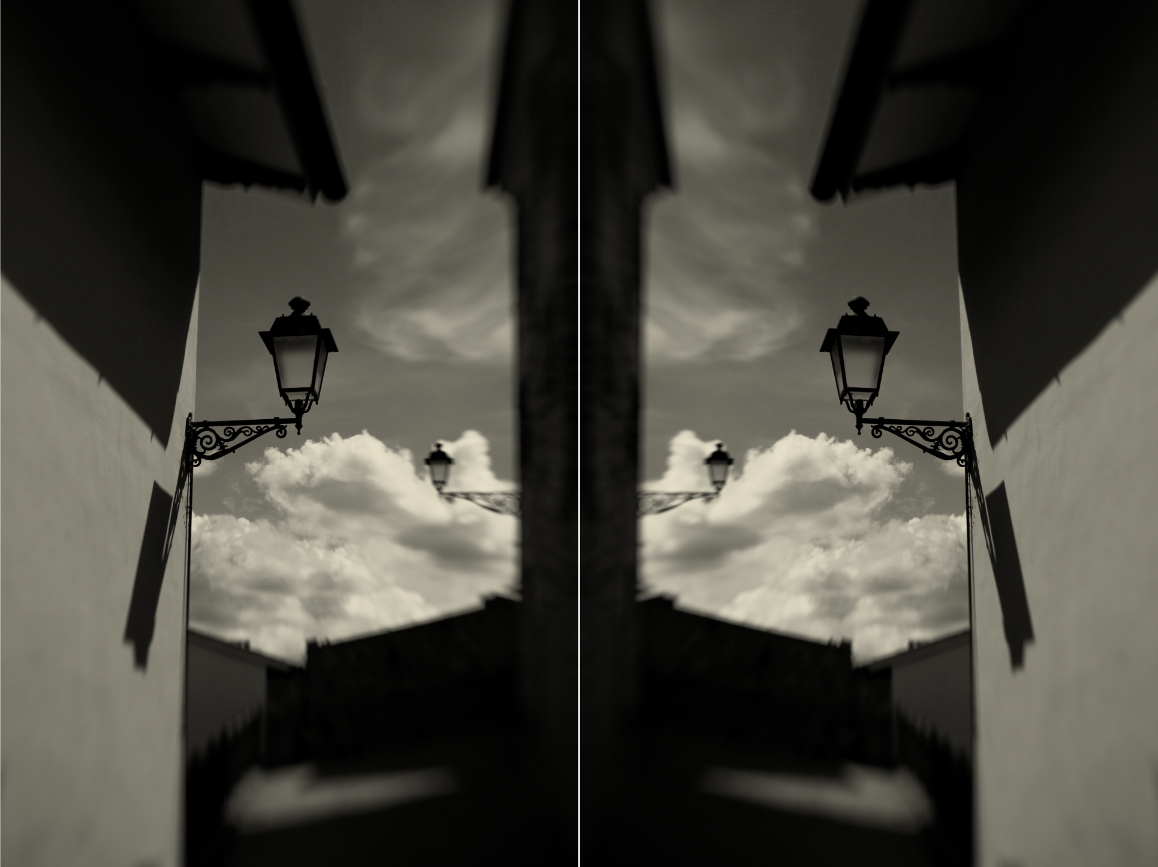
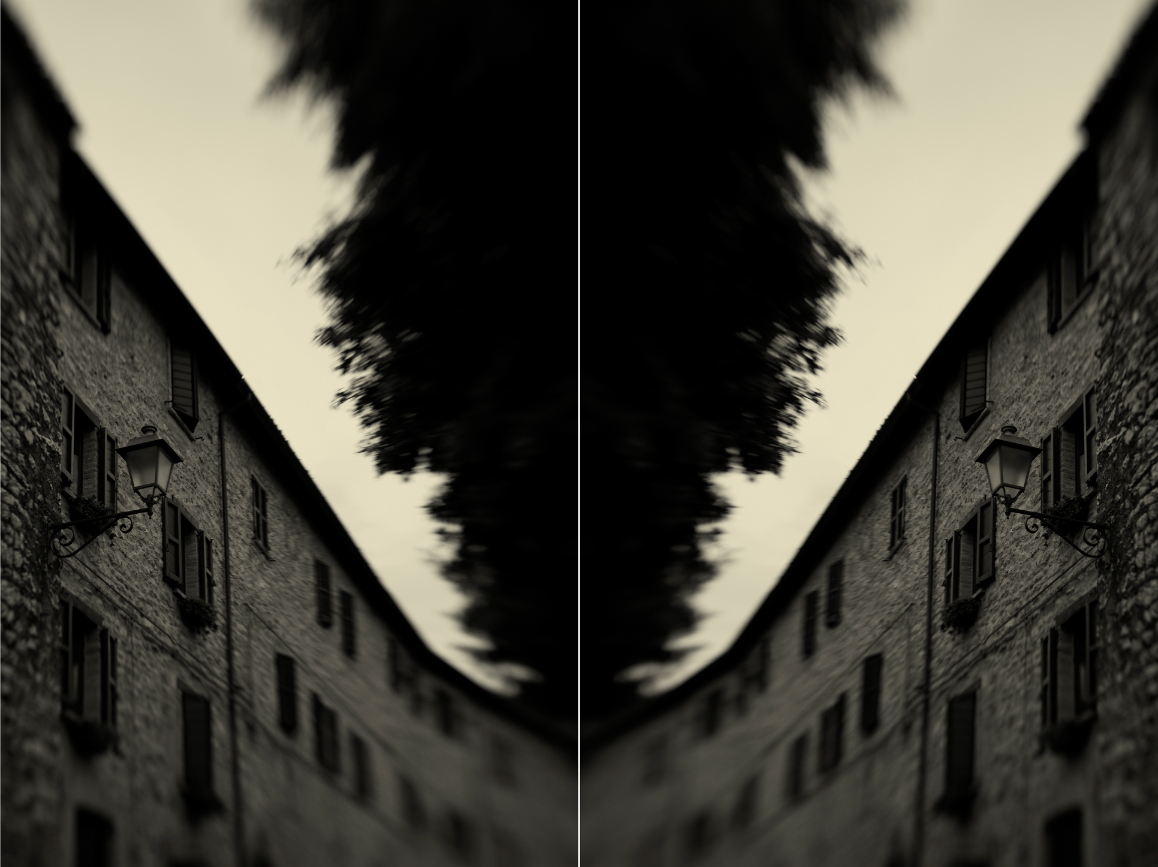
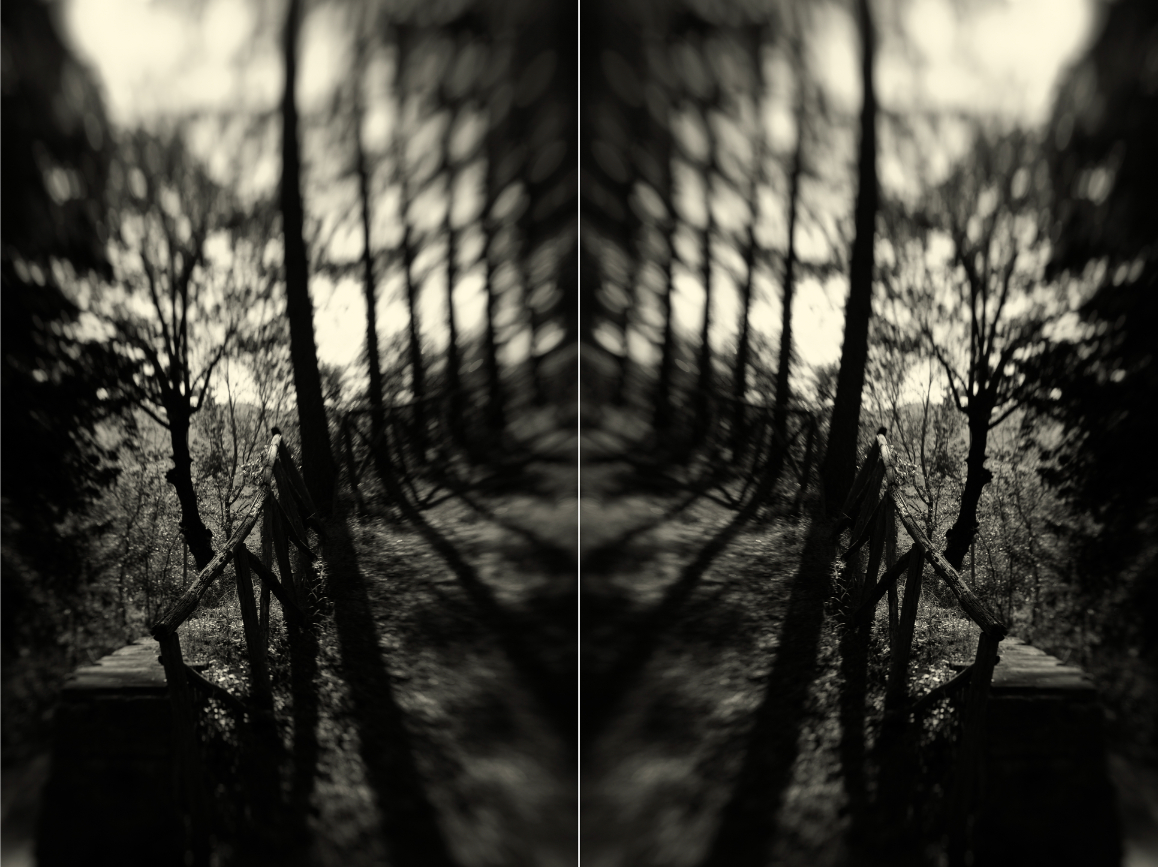
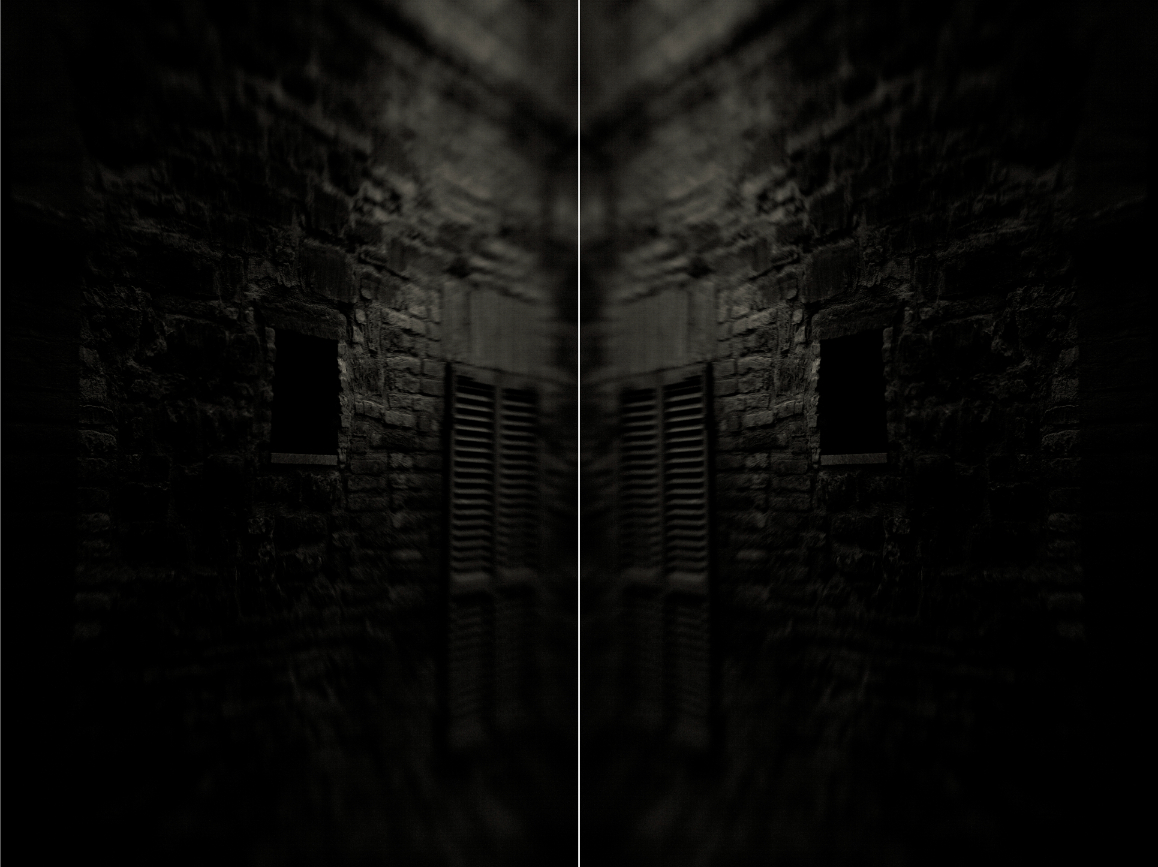
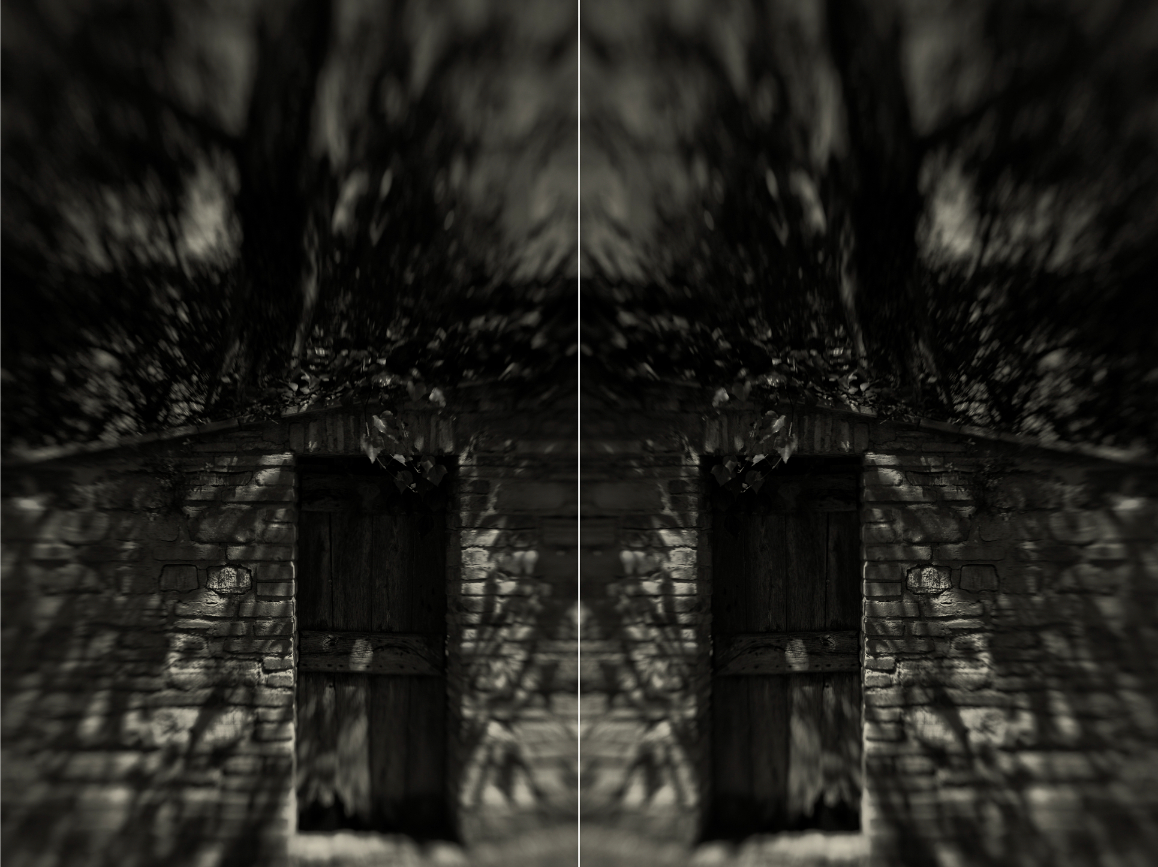
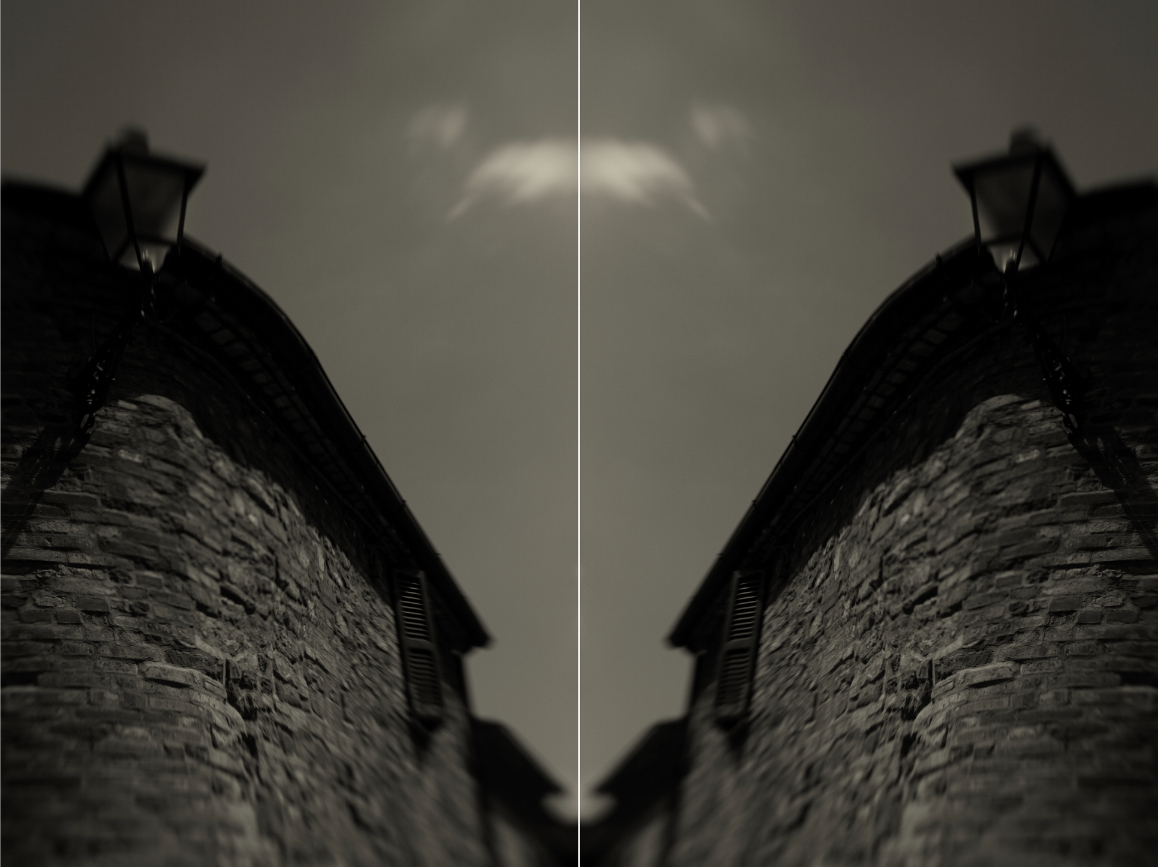
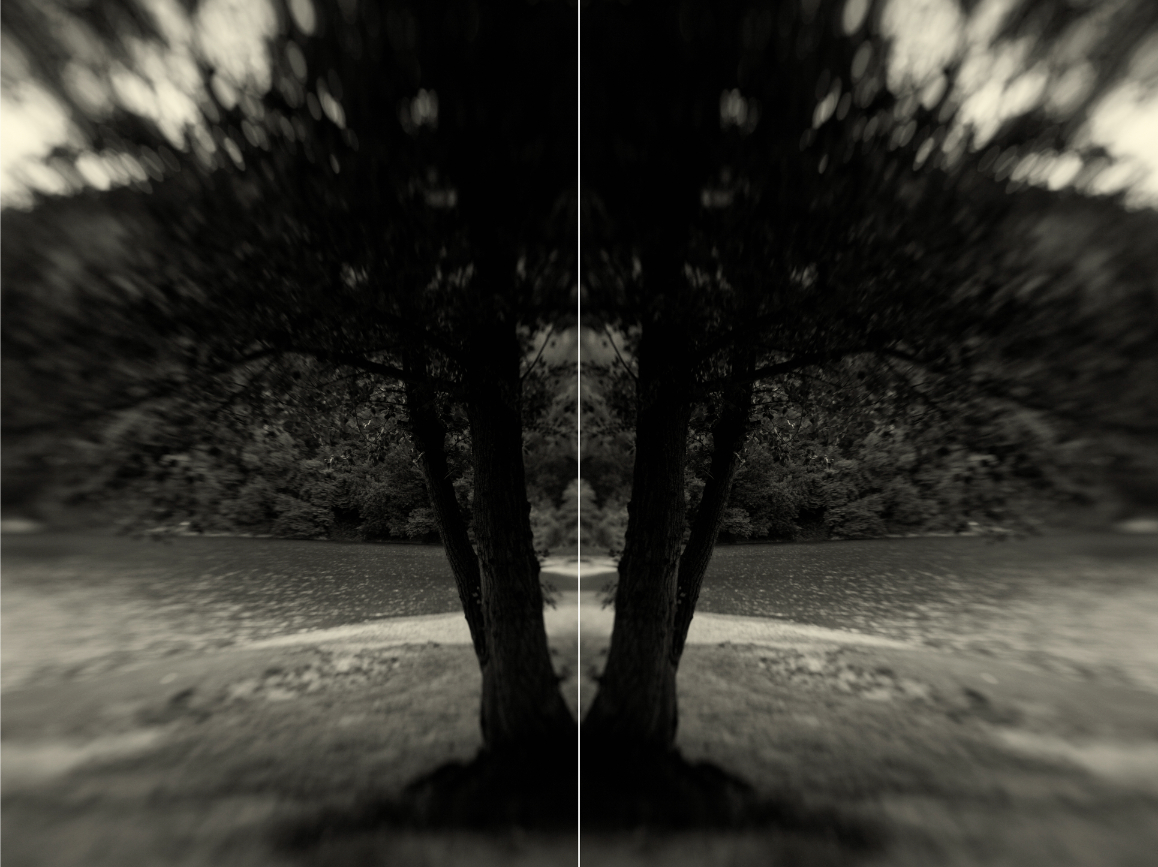
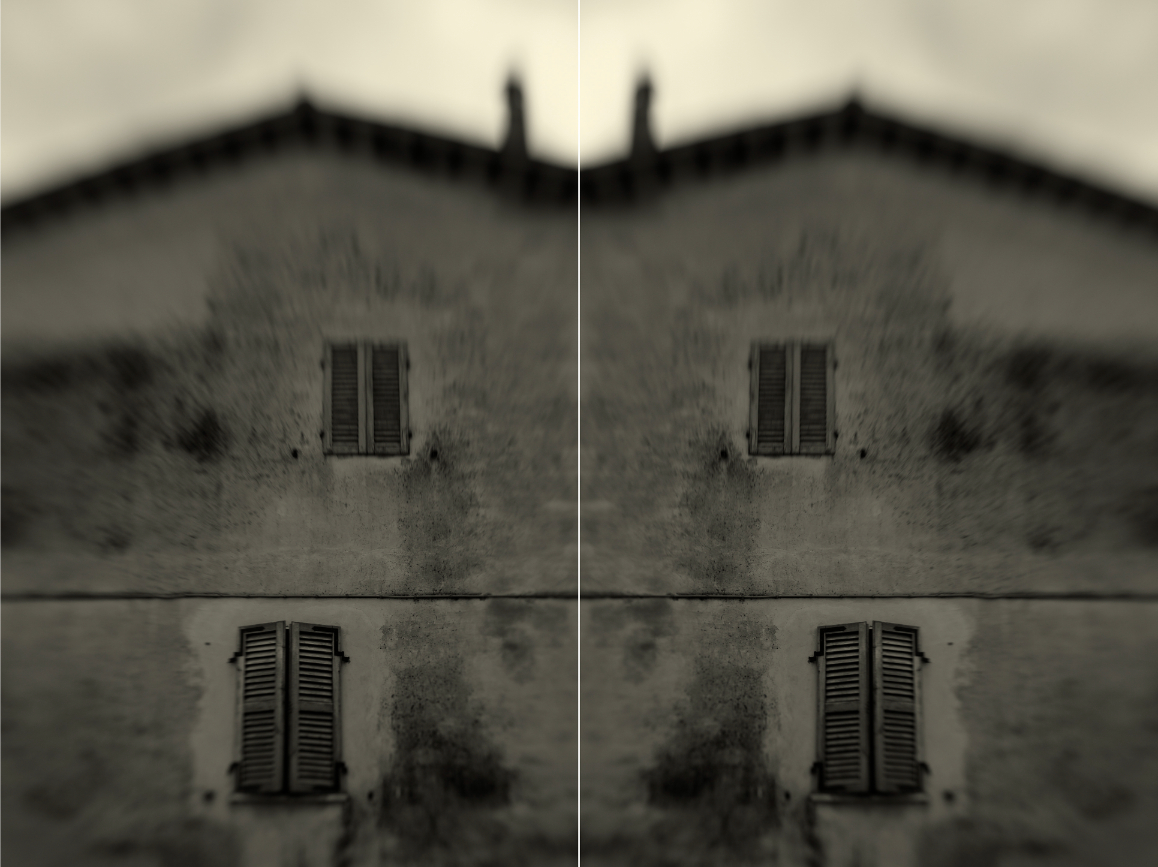
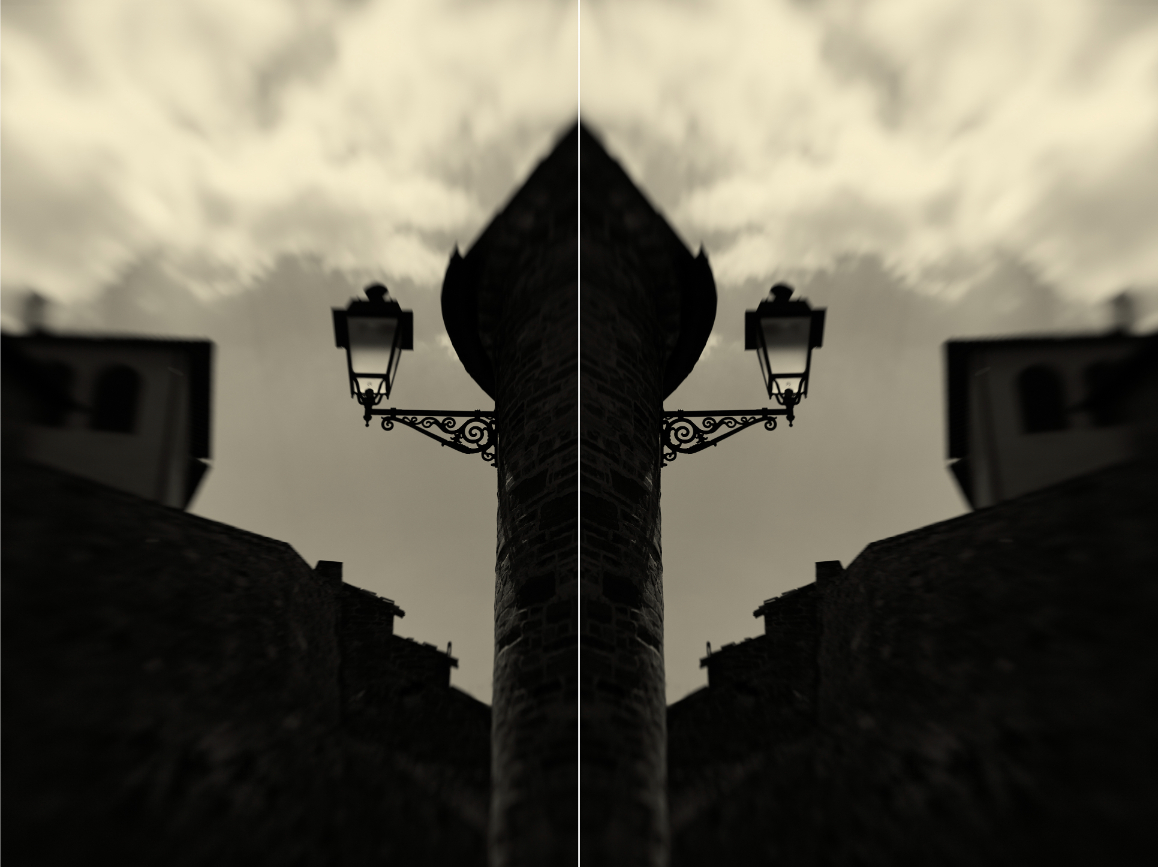
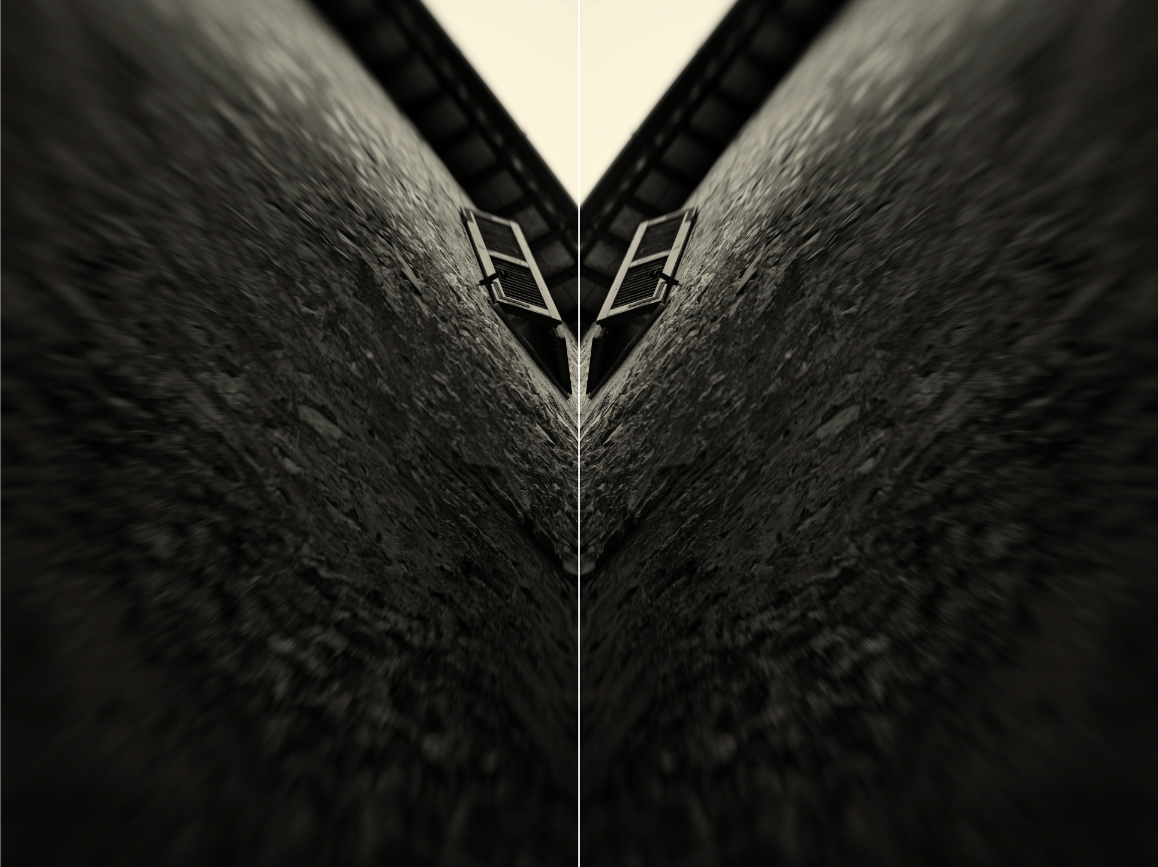
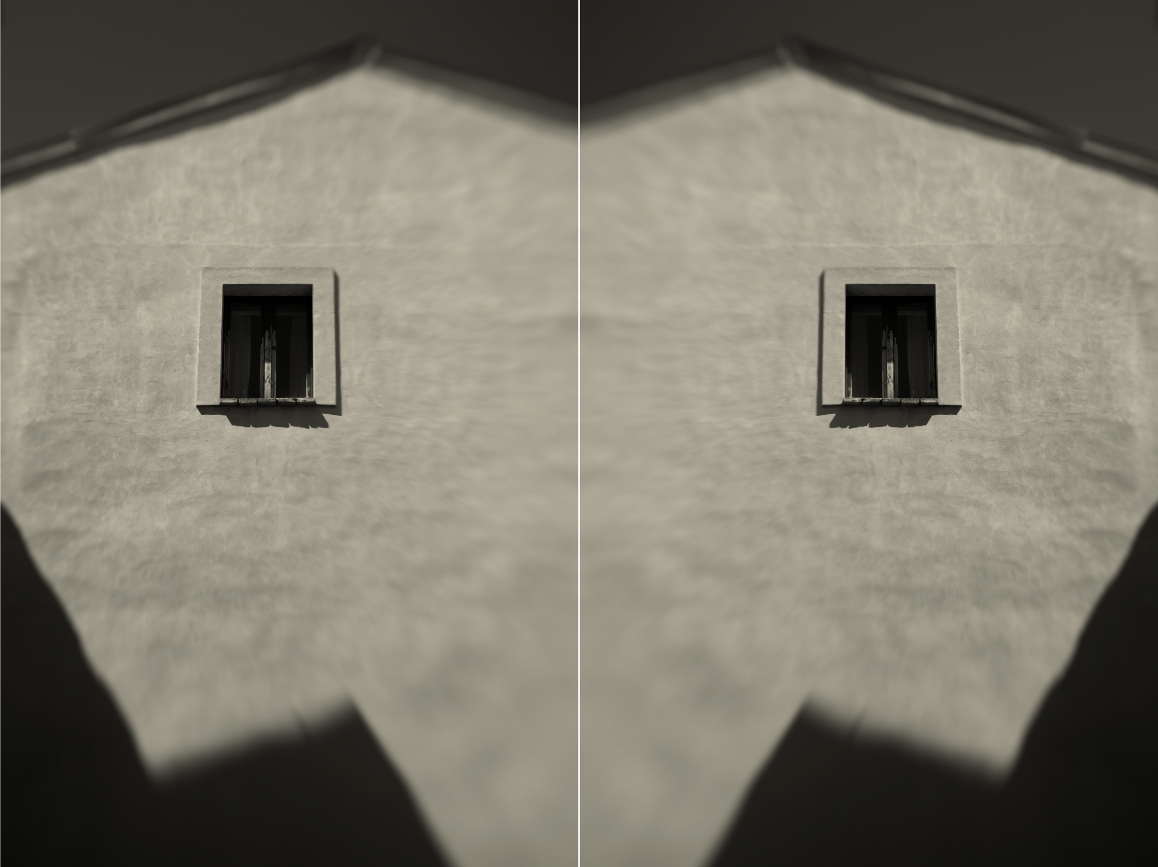
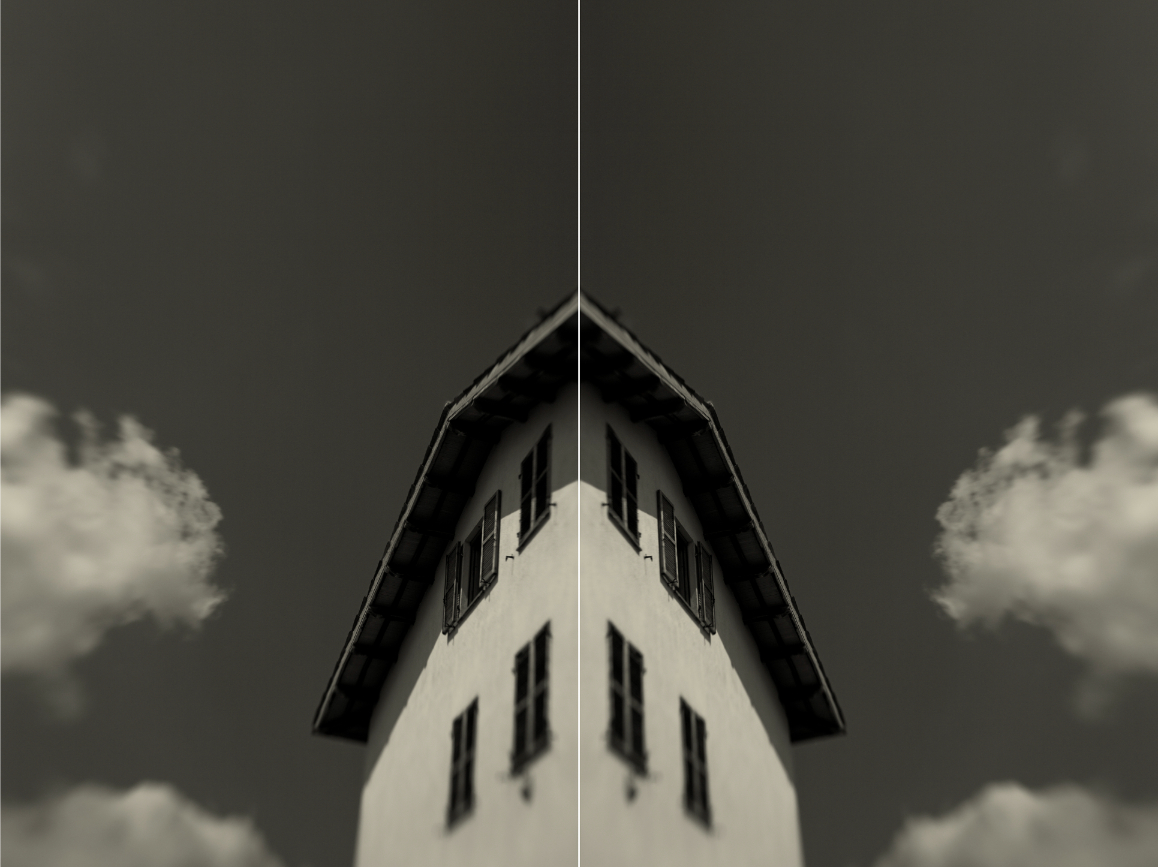
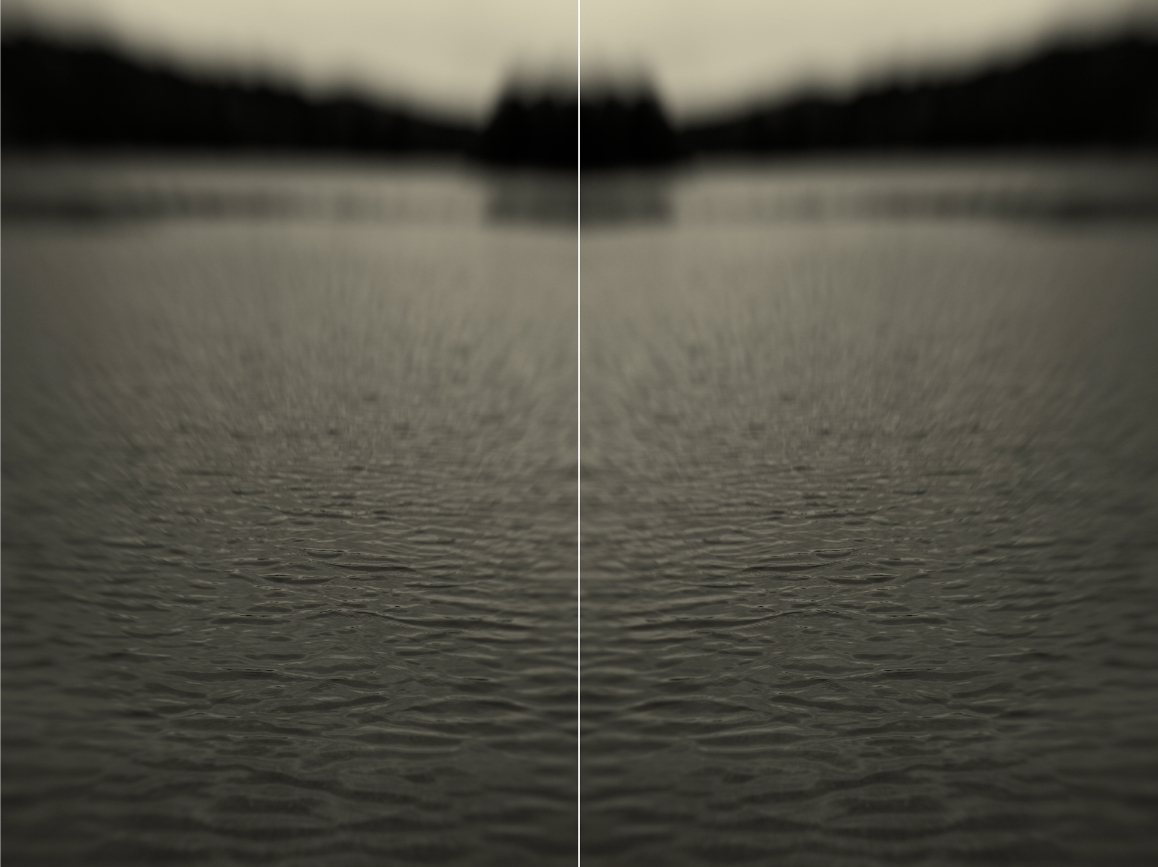
Shibu Arakkal’s recent suite of black and white photographs, Duality, transports us into a space of reflection that has been located at a remove from the fragmenting distractions of everyday life. The deliberate aesthetic of renunciation that the artist has embraced, with his refusal of the seductions of colour, is equally evident in his choice of ostensible subjects to represent. His primary visual materials are spare, elegant and elemental: the sky, the patterns that clouds make as they transit across the sky; the sport of light, object and shadow; the thick stone or brick walls of houses that have weathered the vagaries of several centuries; windows, sometimes arched and recessed, and sometimes shuttered and set high on a wall, as though to deny the summer wind ingress into inner courtyards while allowing those within to savour a vista of hills, valleys and thickets – and perhaps also to anticipate the incursions of potential raiders.
To describe these photographs as black and white is, of course, to do an injustice to the complex arpeggio of greys that unfold across Arakkal’s frames. And I have not yet mentioned the key gesture that the artist adopts in Duality: the decisive vertical divider that cleaves every photograph into two halves that appear to mirror yet contest one another, these equal sections seeming paradoxically to race away as well as rush towards one another.
By enacting a simultaneous scission and twinning, Arakkal’s gesture introduces an explosive, enigmatic energy into his images. As these frames break and gather themselves into halves, epiphanies occur. The rippling water of a lake or river shimmers with an uncontainable excess that would surely brim over its banks. A row of trees join together in a low, rustling, sparking thrum, as though they had been translated into a harp for the wayward wind to play on. And a house, mirroring yet defying its own monumentality as the pictorial logic cuts and rejoins it, strikes out at the viewer like the jutting prow of an ocean liner.
The operative relationship between the halves of each image in the Duality series is neither a simple mirroring nor a dramatic variance. Instead, it articu- lates a fluid and unpredictable engagement, a choreography of elusive possibilities. With this gesture, the artist liberates his images from the burden of representation and celebrates them as oneiric occasions: dreams that provoke the faculty of interpretation and invite the play of an intelligence that is at once sensuous and speculative.
Indeed, Arakkal’s pictorial inventions remind us that the mirror image is never an exact equivalent of the object it mirrors. Rather, it always generates an excess of sensation and affect. The reflection always communicates itself, in the first place, as a shock, because it reveals what the object can never see or know for itself. This originary shock continues to radiate from the mirror image as it forces the object to reconsider itself (or obliges us to reconsider the object) by contrast with itself. By setting itself up as the beguiling riddle of the not-quite or the non-identical twin, the mirror image challenges us to decide which of the two images is shadow and which is substance. That distinction is itself dissolved, as we enter a domain of after-images without a sin- gular original.
All the photographs that comprise the visual substratum of the Duality suite have been shot in the mediaeval village of Belforte del Chienti in the eastern Italian province of Macerata. The village, which takes the historic Palazzo Bonfranceschi as its focal point, is home to Terra dell’Arte, an independent arts organization that hosts an international artist residency, which Arakkal held in 2012. But Duality does not propose a description of the place, to anchor the particularity of its placeness in a record of detail. At the same time, it steers programmatically clear of the generic temptations of the pastoral, the ro- mantic or the picturesque.
Instead of presenting us with the fraught, moody, sumptuous account of an architecture and a landscape cradled within a nameless eternity of summer or autumn, the artist generates a compelling and productive instability, one that plunges us into a condition of reverie. As we take bracing pleasure in Arakkal’s photographic departures, we are reminded strongly of the philosopher Gaston Bachelard’s suggestion that “
‘Imagination is the faculty of deforming images offered by perception, of freeing ourselves from the immediate images; it is especially the faculty of changing images.’ (1)
In the process of transforming the stimuli of his experience into this sequence of mysterious images, Arakkal performs a quintessentially abstractionist manoeuvre, and achieves a more profound encounter with place than might have been possible by the meticulous rendering of an optical truth. Austere as Arakkal’s choices may be, they bring his art to fruition precisely because they maintain a continuous relay with his appetite for sensuous experience: his desire to commemorate a moment of deep seeing, culled from the flux of time, the texture and palpability of rock, shade, shrub, or streetlamp. The thing becomes its own name, and stands in no further need of topographical or cultural location; such annotations may come afterwards, in a reflection such as the present essay that is intended to amplify the viewer’s resources of understanding, but it is not a prerequisite for the viewer who comes with no prior preparation to the record of illuminations that forms the Duality suite.
As my eyes travel across Arakkal’s images, the visual prompts a memory of the lyric: I am reminded of the poetic cadences of Giuseppe Ungaretti, who was born to a diasporic Italian family in Alexandria and was seized, always, by the deep melancholia and beauty of his ancestral homeland. In a poem composed early in 1917, ‘Pleasure’, Ungaretti wrote, in words that might apply just as appropriately to Shibu Arakkal’s experience as an artist:
‘I burn with the
fever
of this spate of light
I welcome this
day like
a sweetening fruit
Tonight
I shall feel
remorse like a
howl
lost in the
desert’ (2)
References
1. Gaston Bachelard, L’invitation au voyage, from L’air et les songes, anthologised in On Poetic Imagination and Reverie: Selections from the Works of Gaston
Bachelard (Colette Gaudin trans.; Indianapolis/ New York: Bobbs-Merrill, 1971), p. 19.
2. Giuseppe Ungaretti, ‘Pleasure’, in Giuseppe Ungaretti: Selected Poems (Harmondsworth: Penguin, 1971), p. 55.