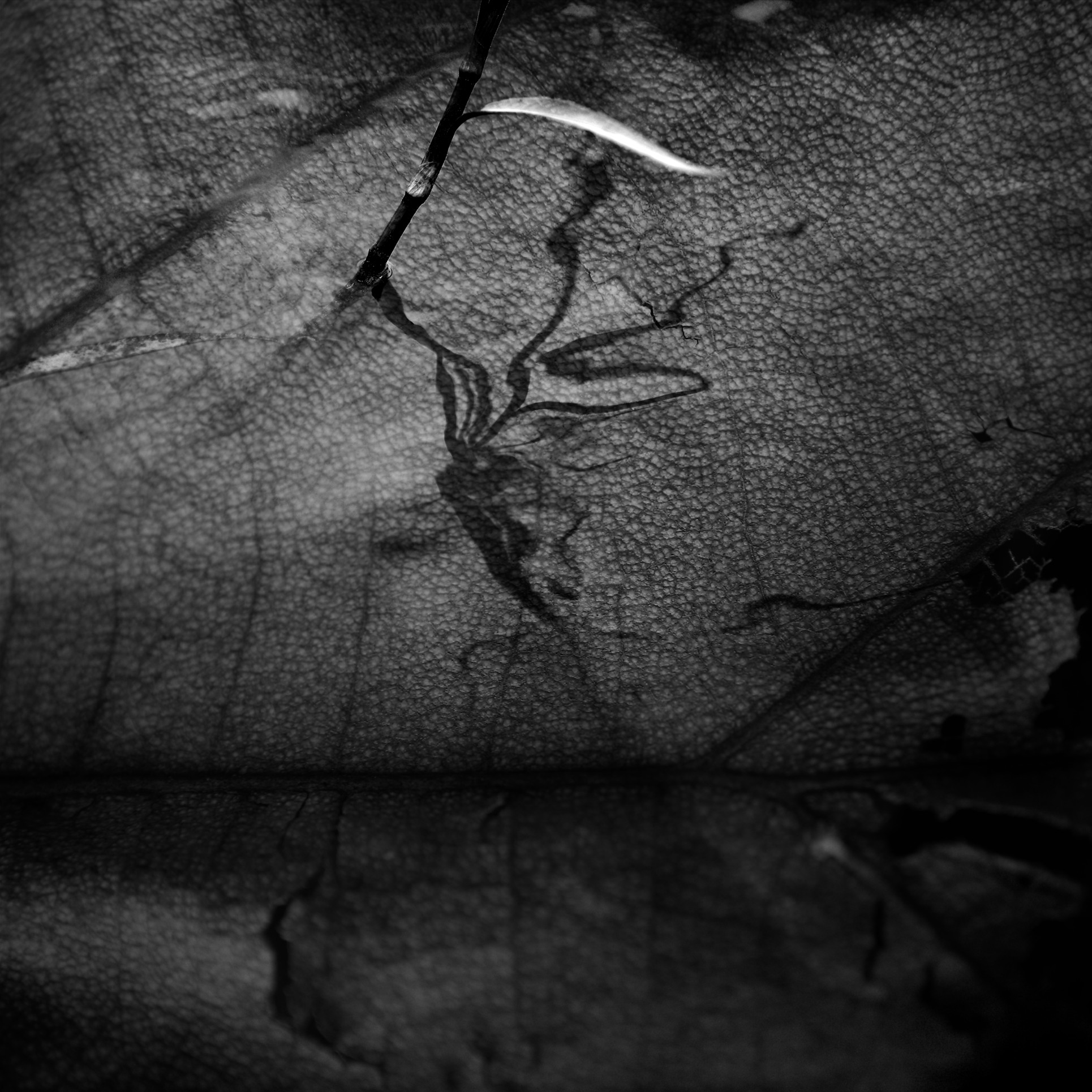
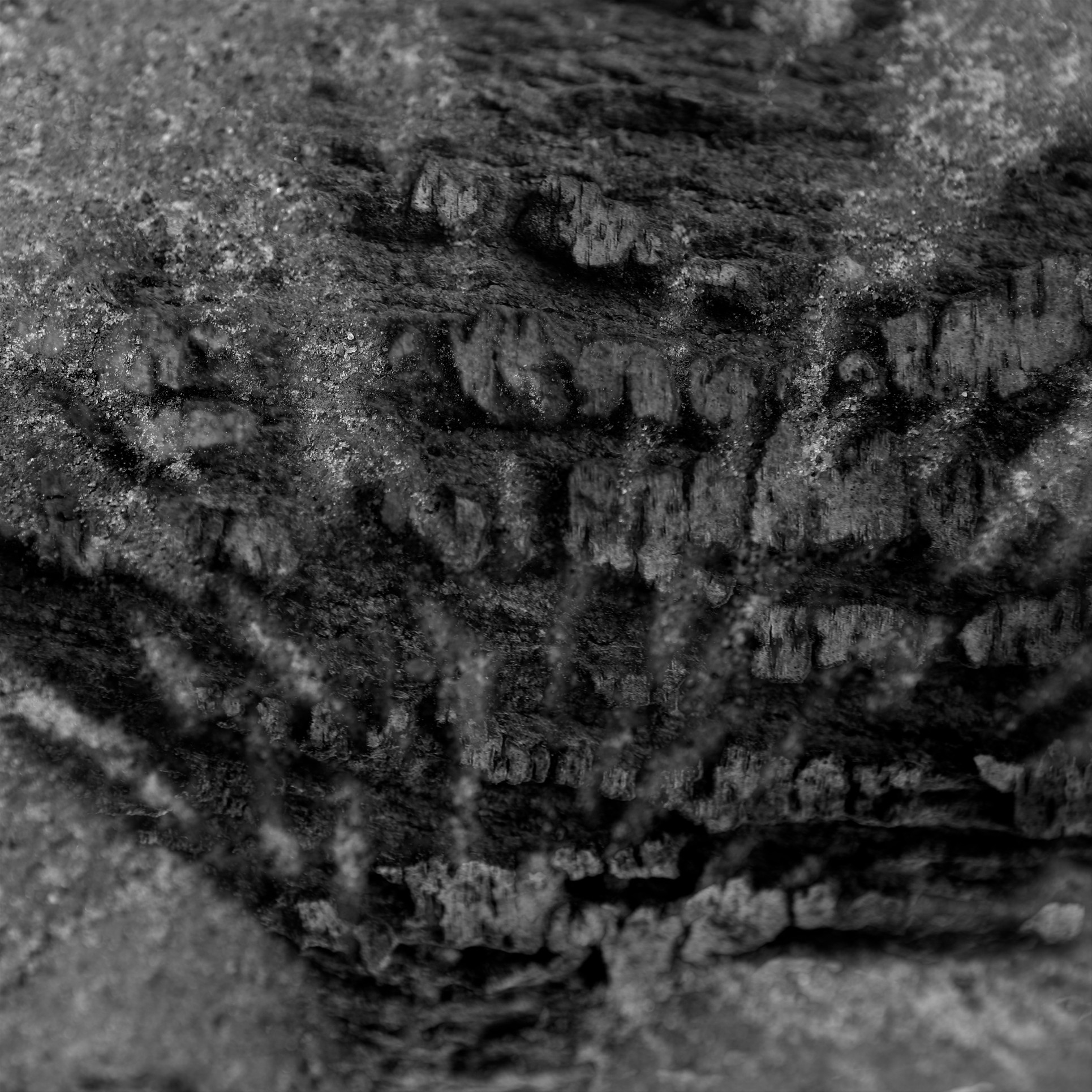
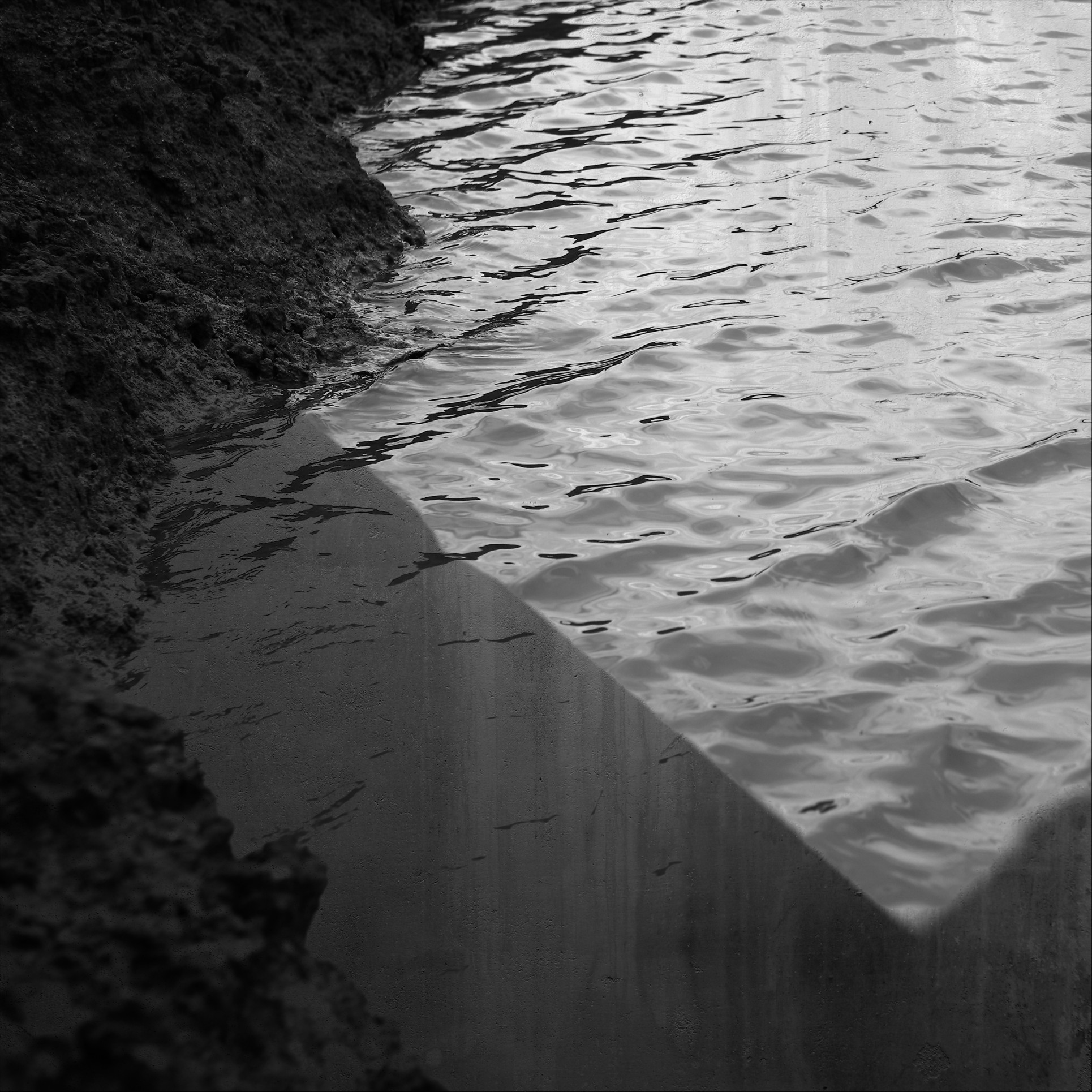
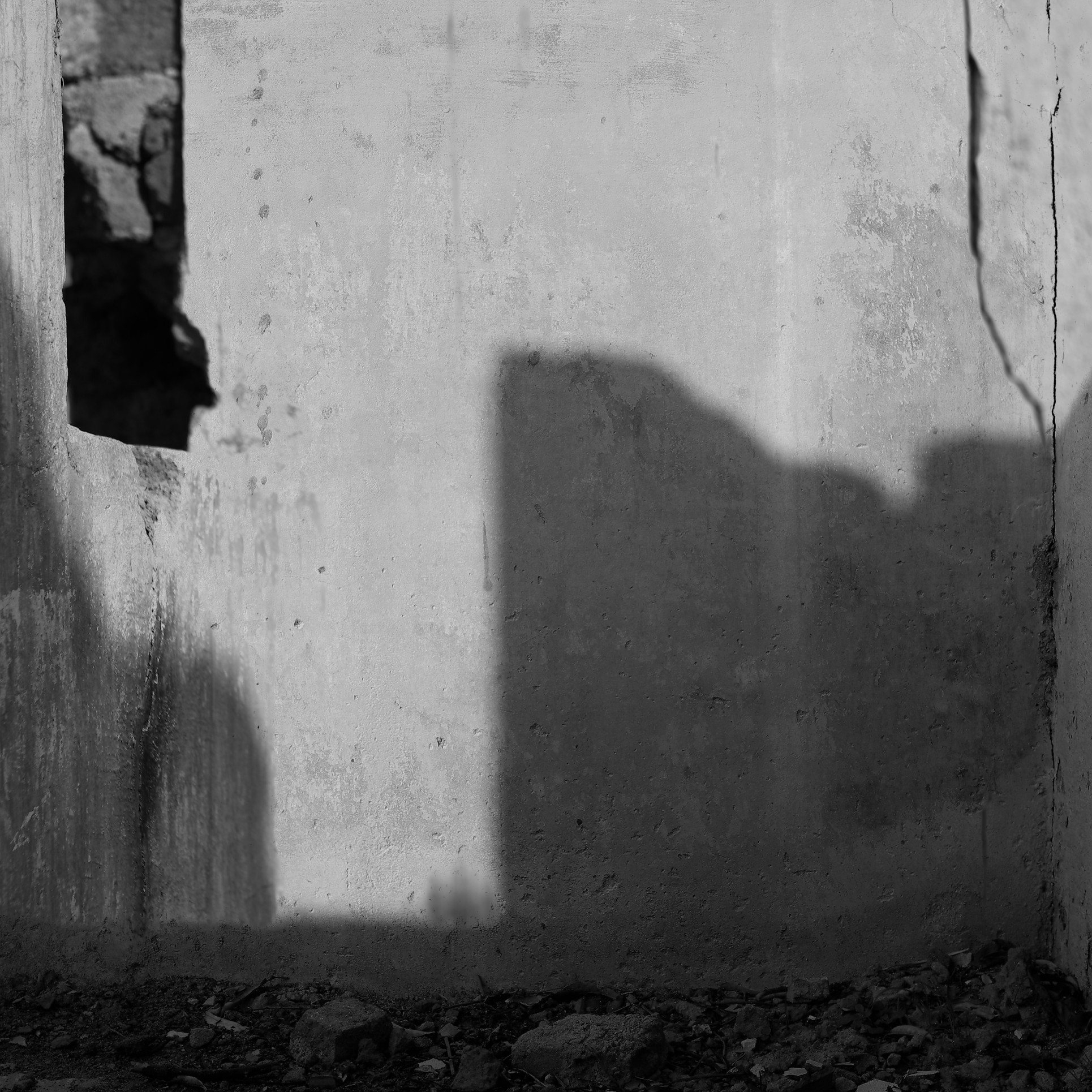
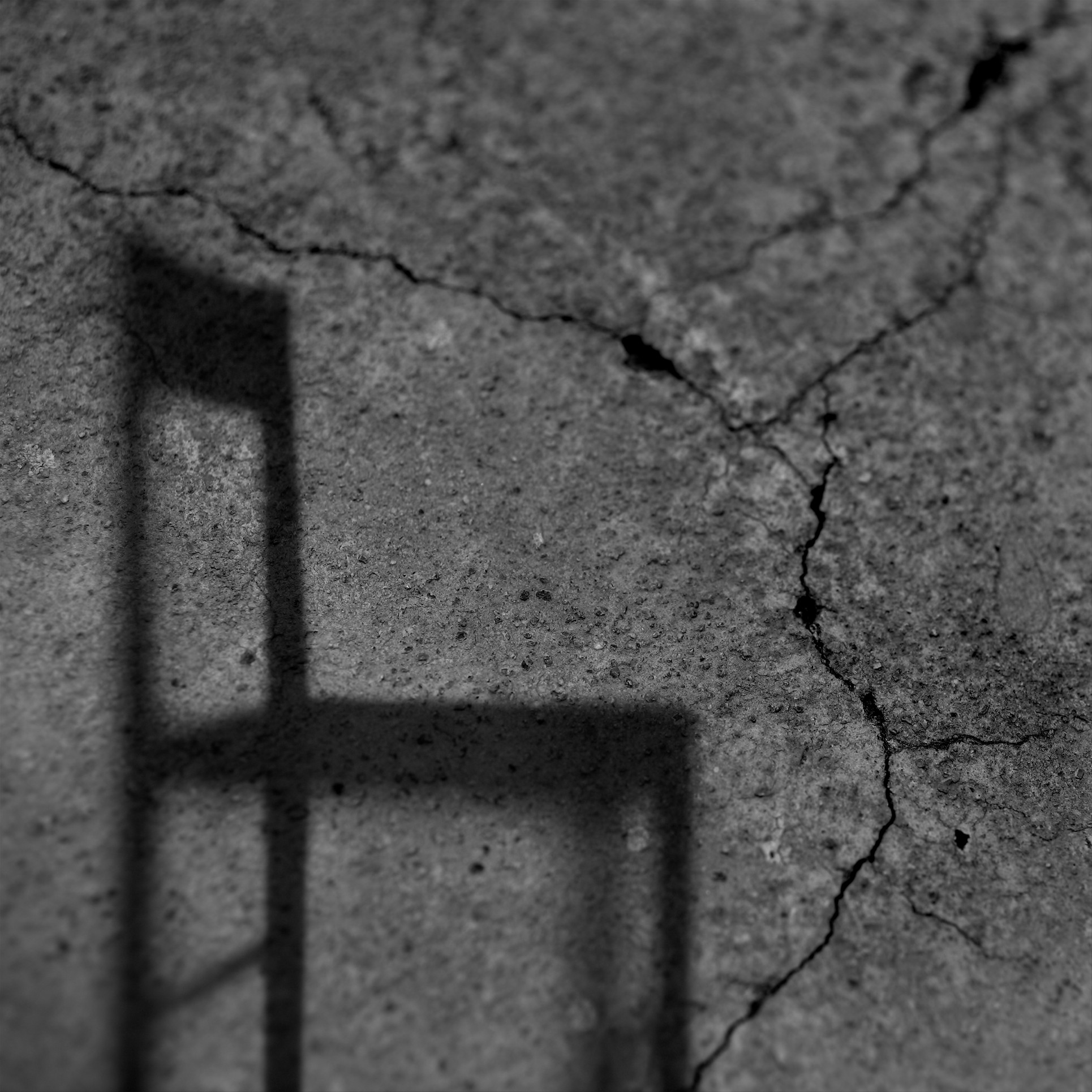
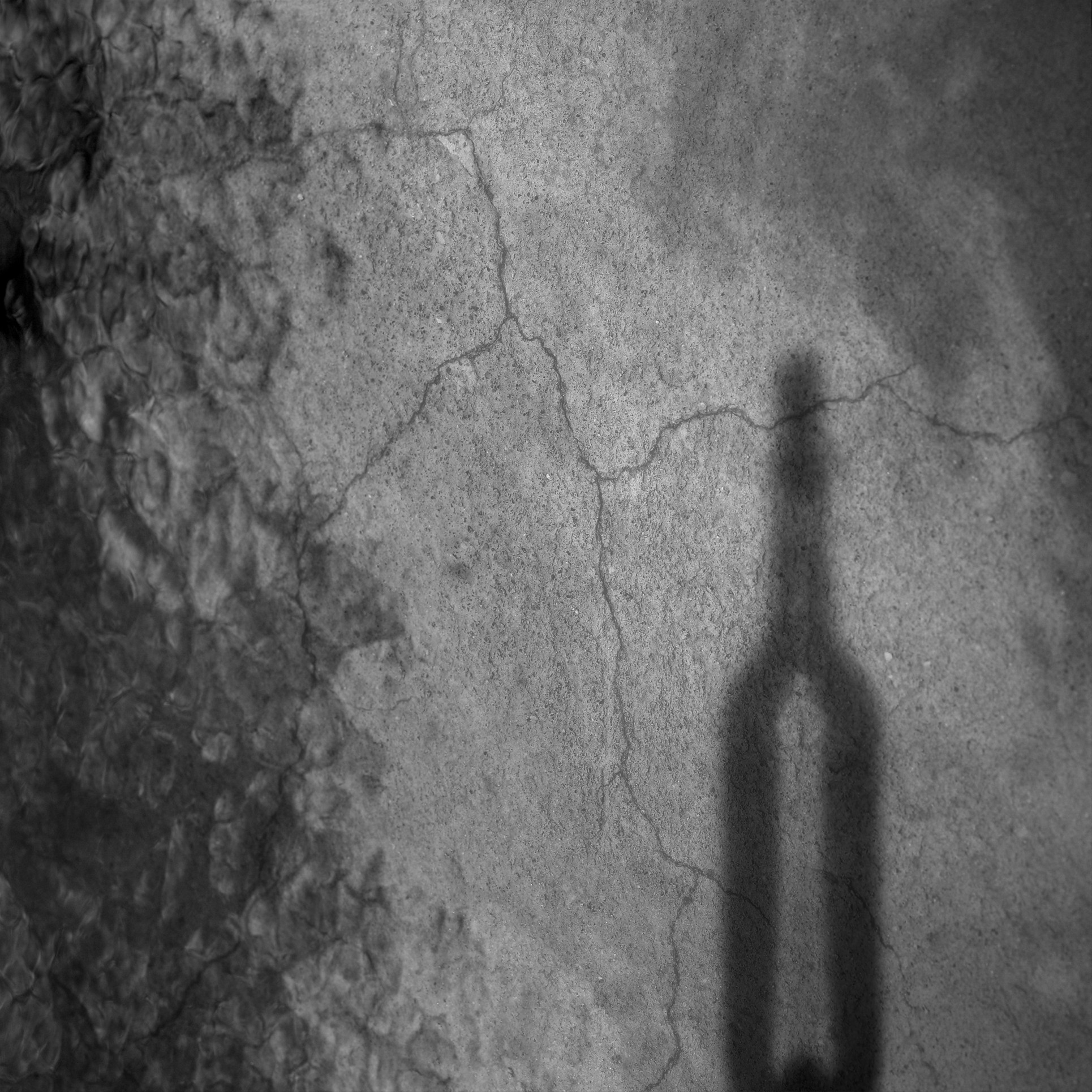
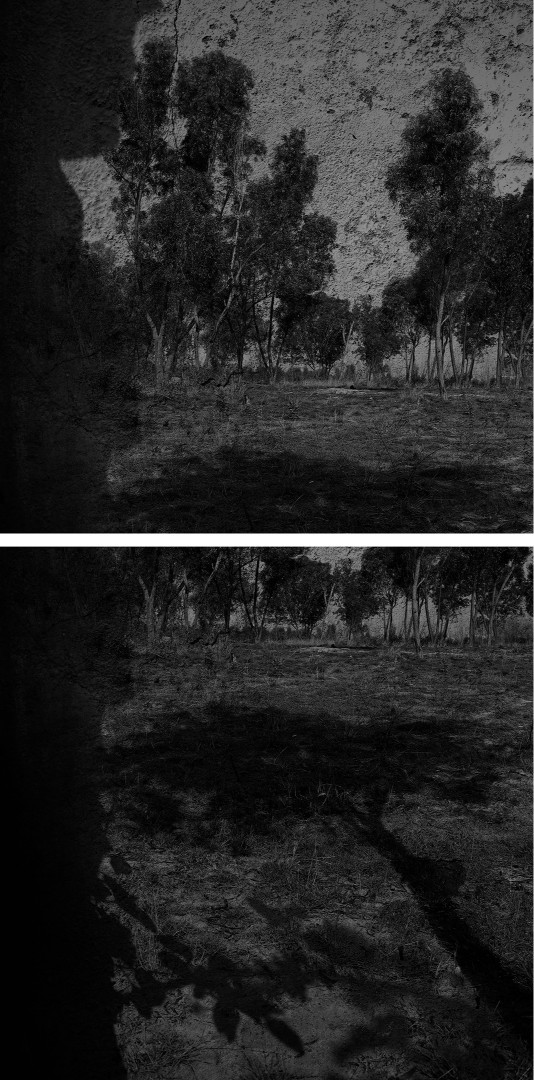
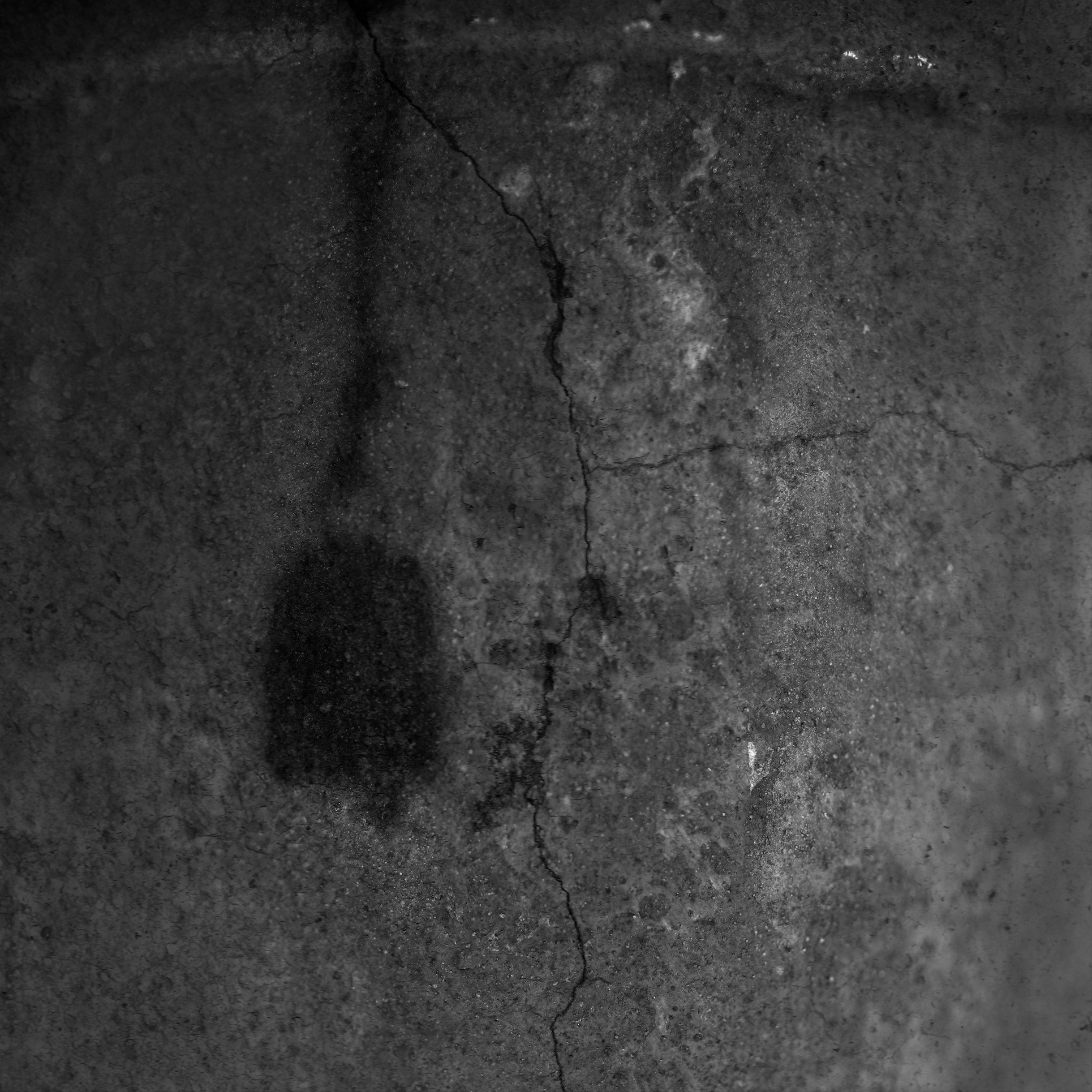
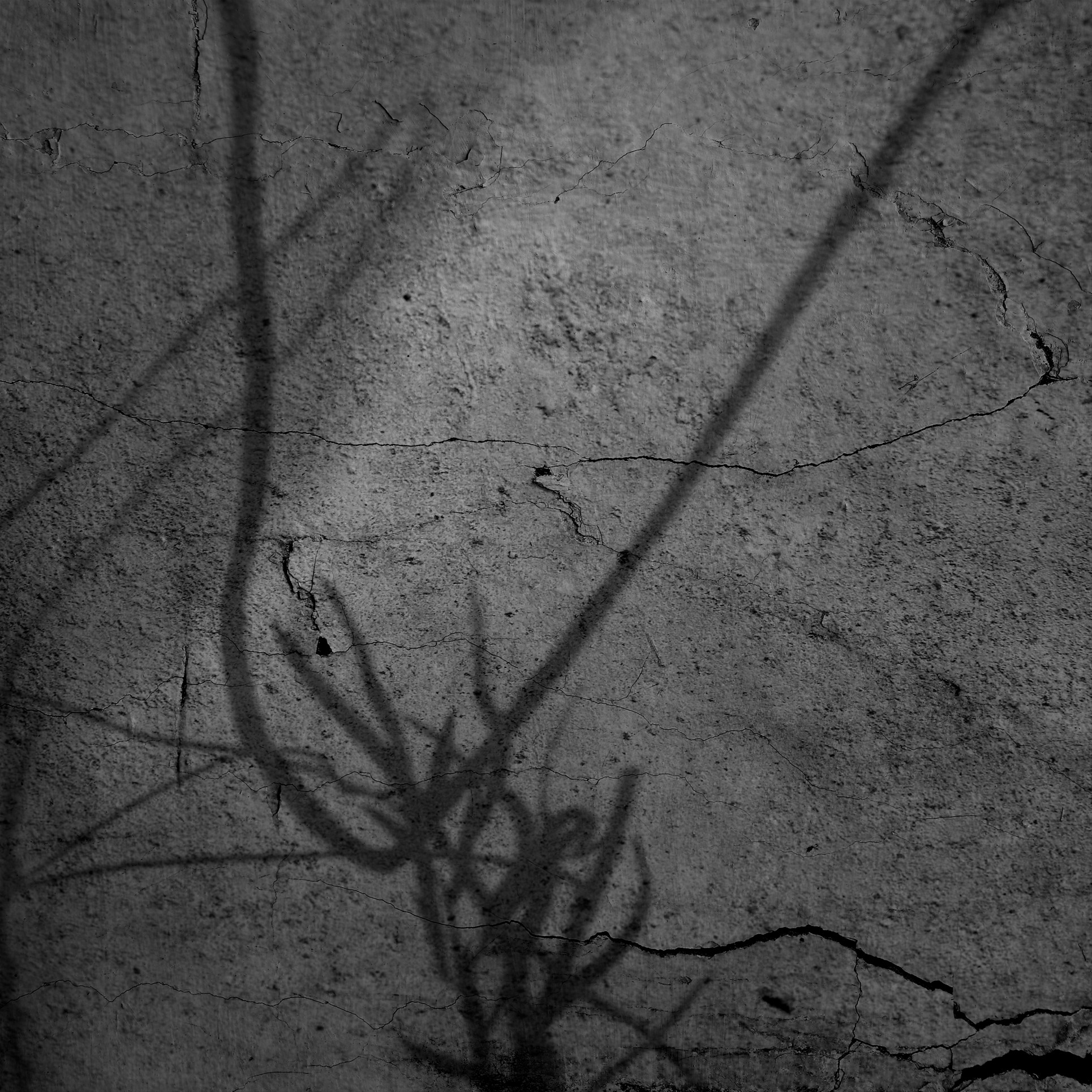
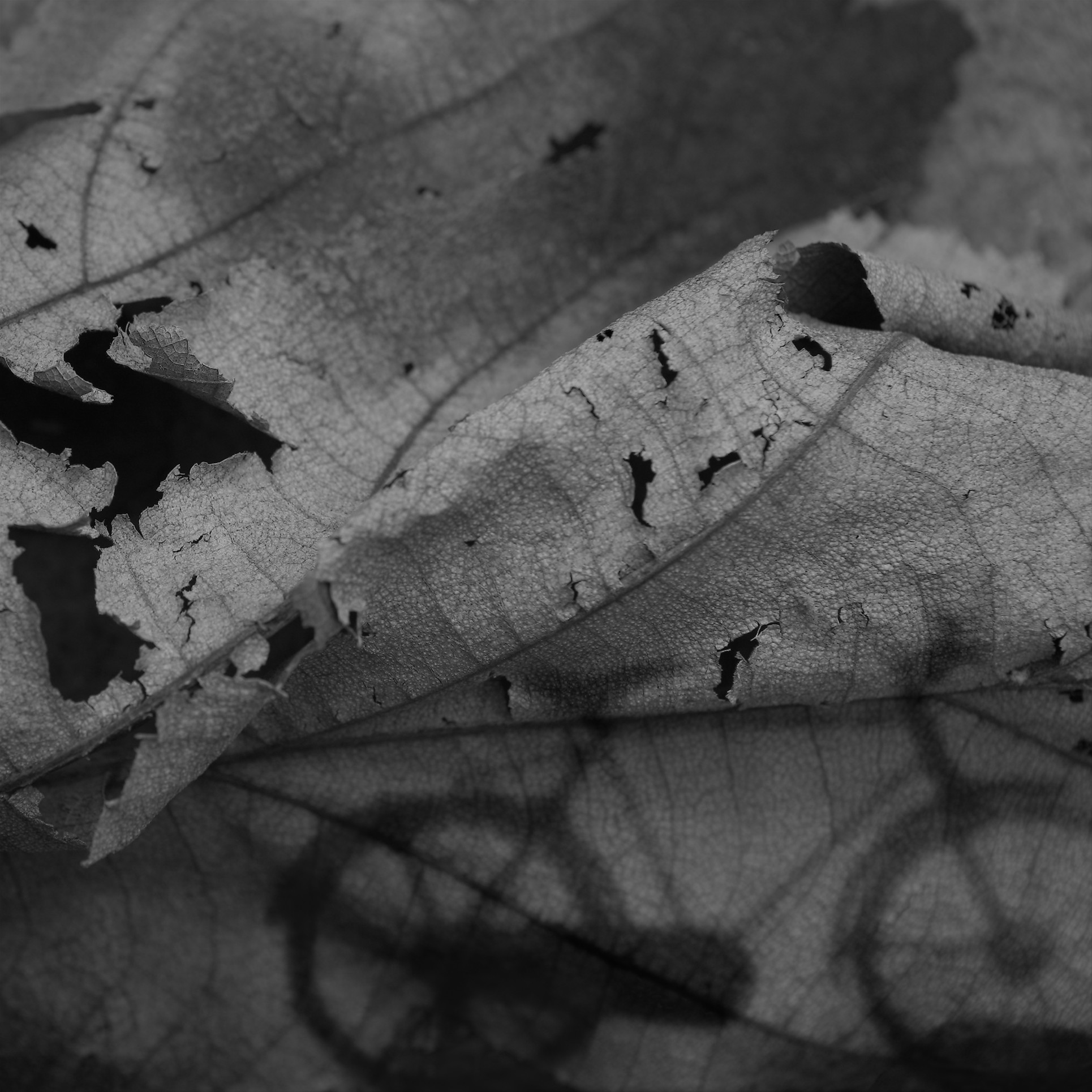
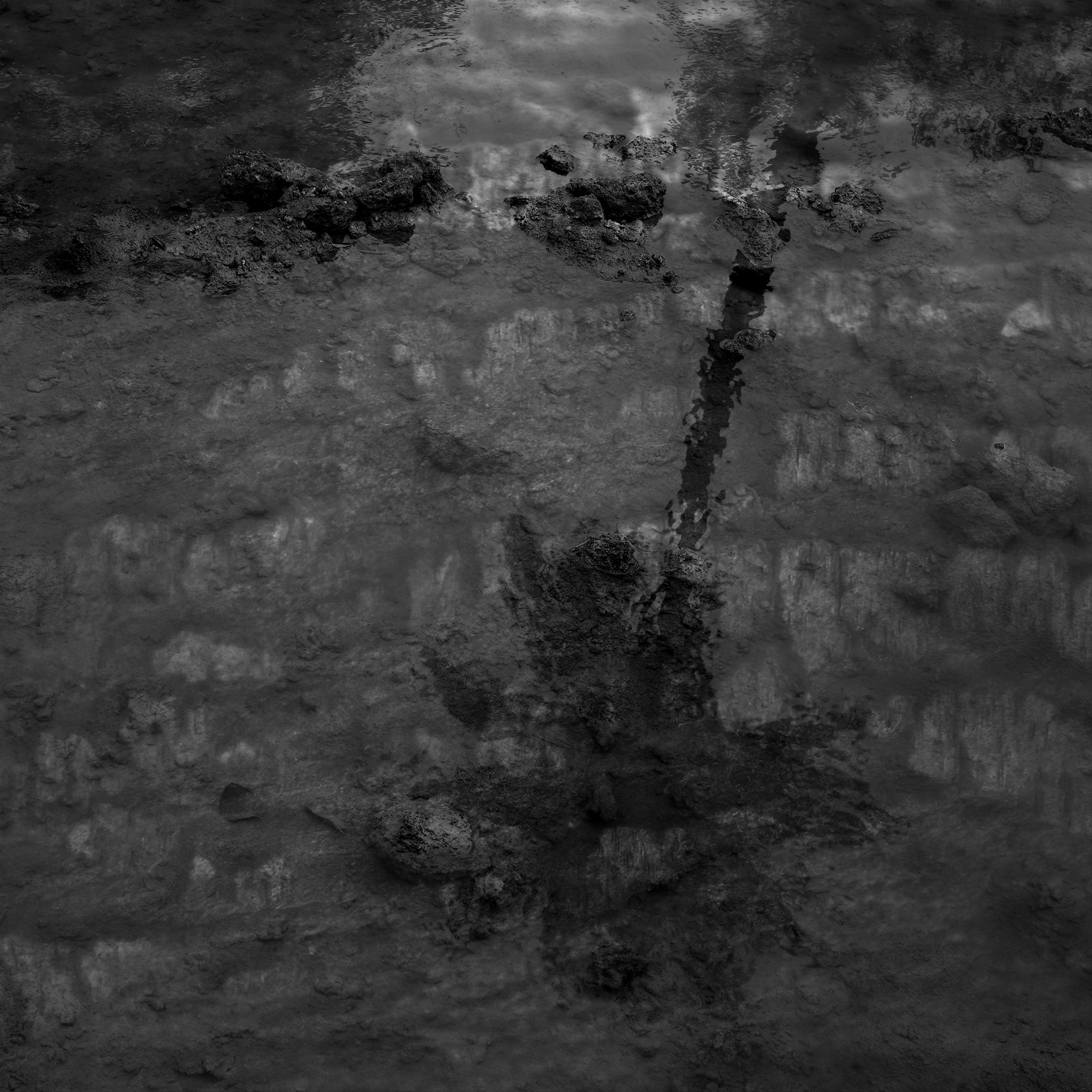
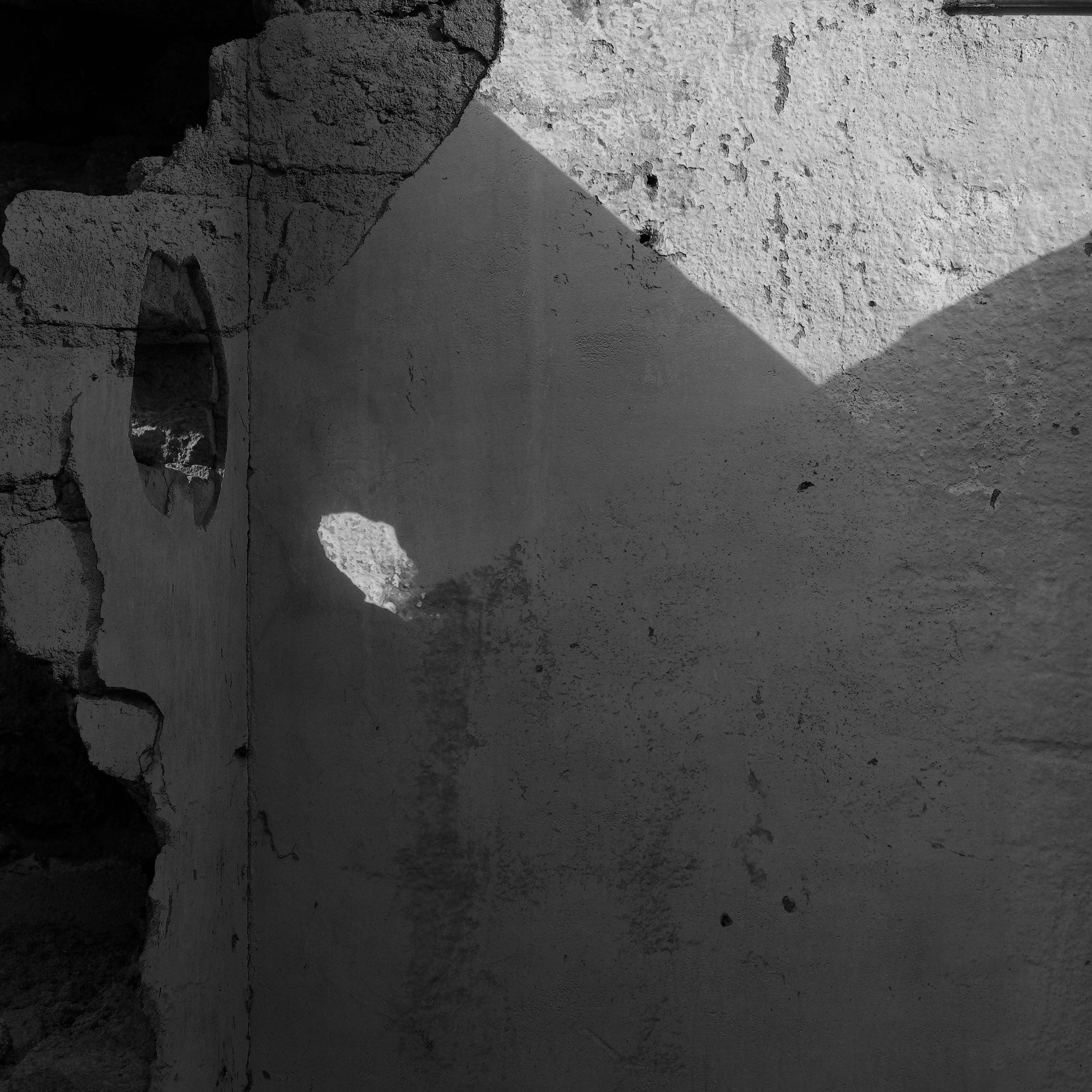
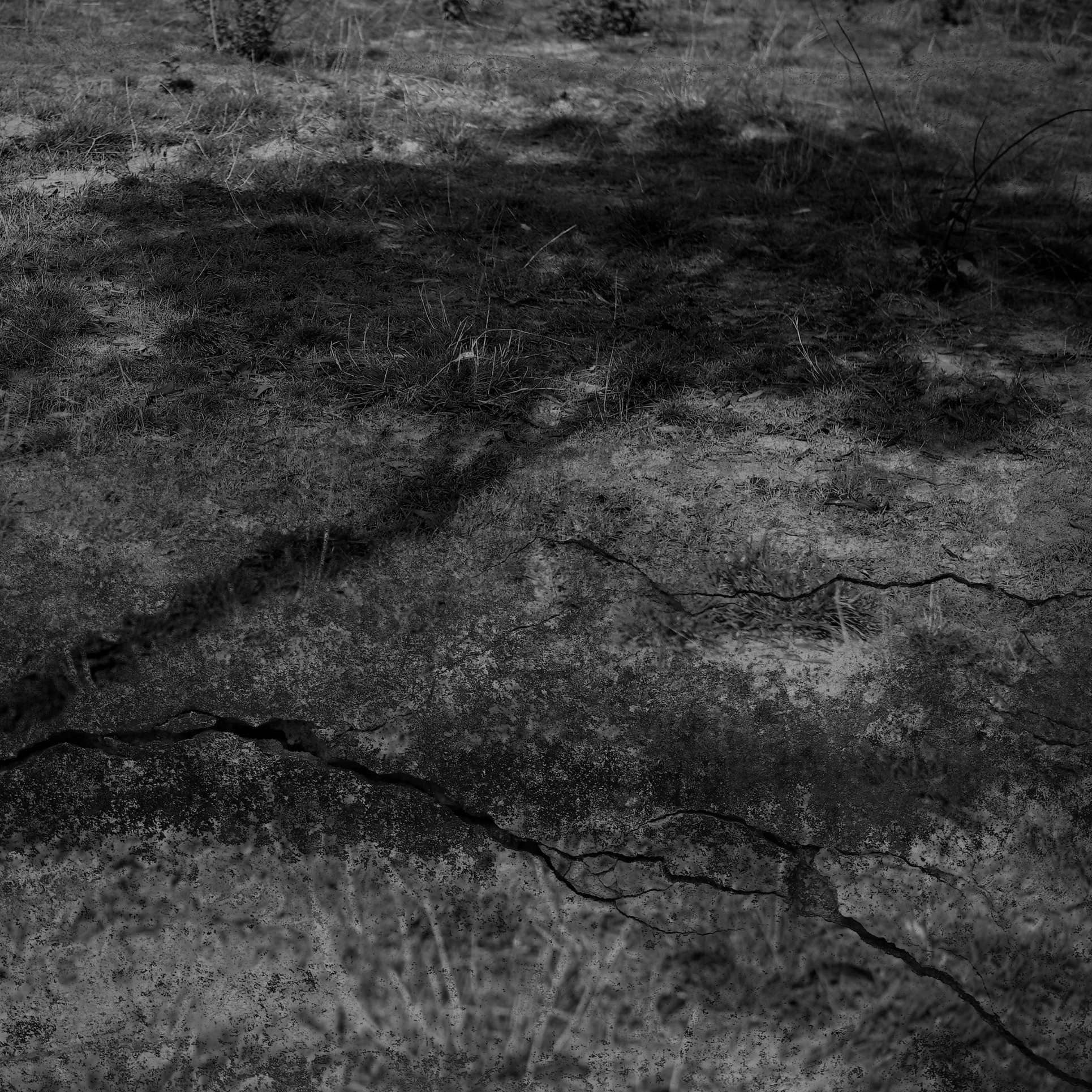
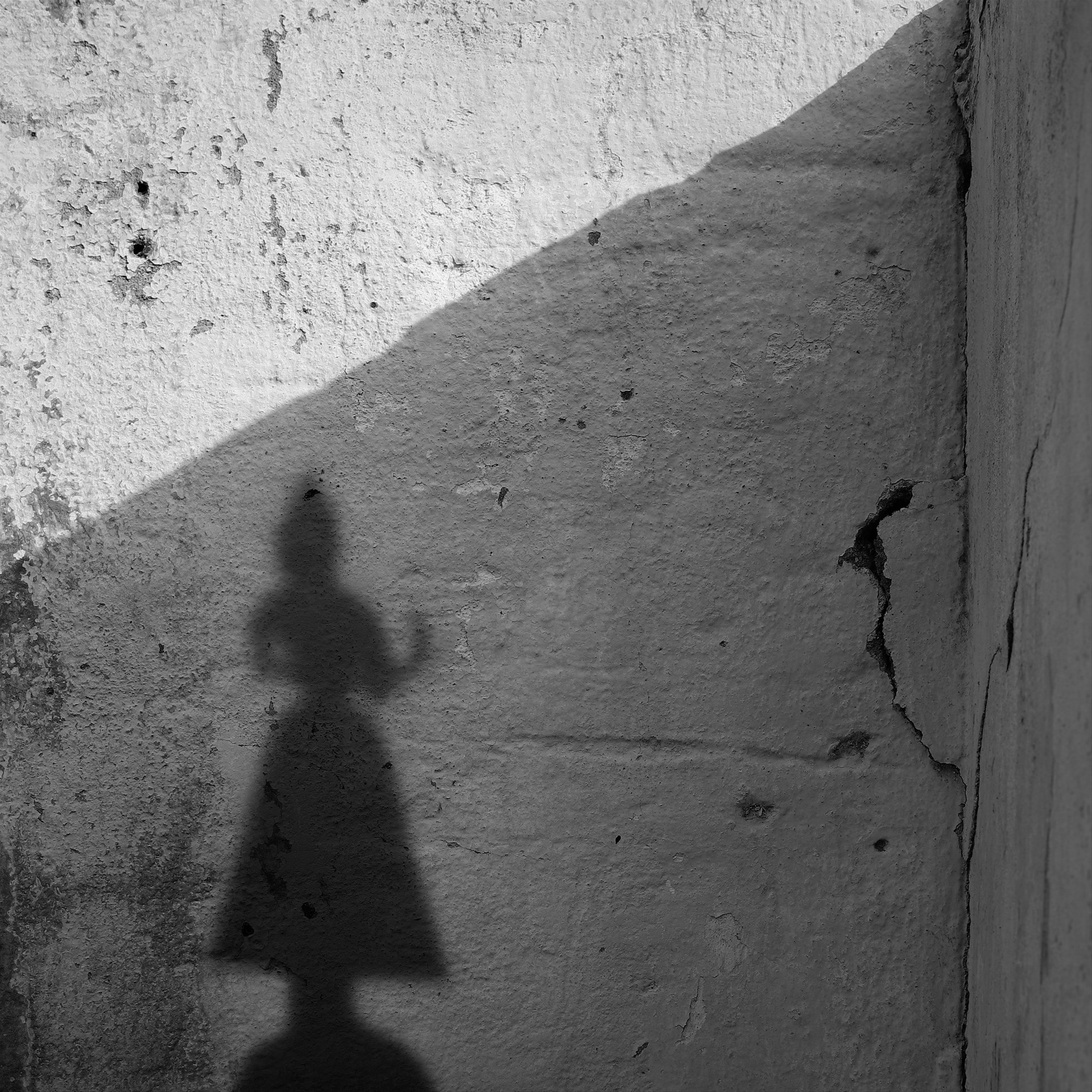
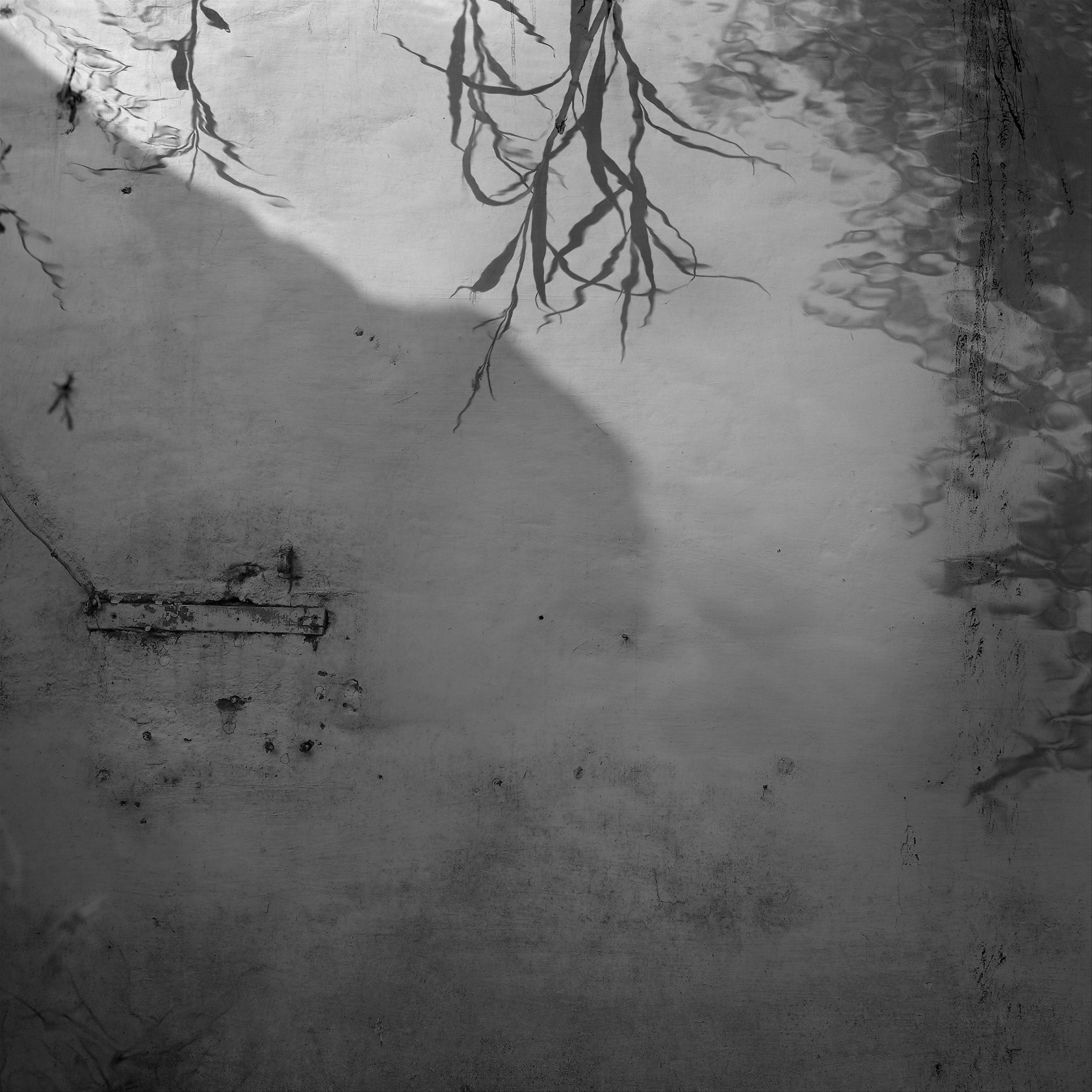
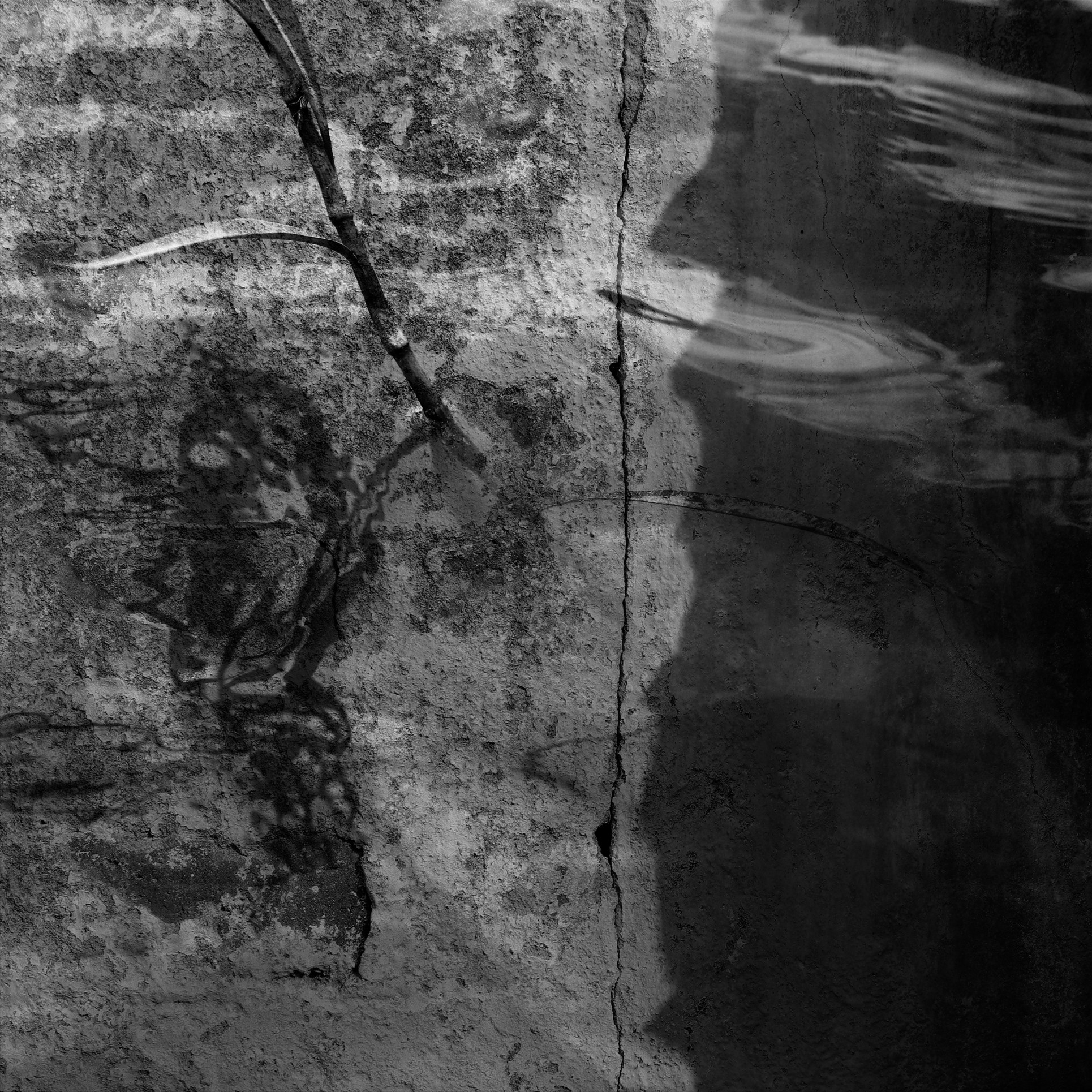
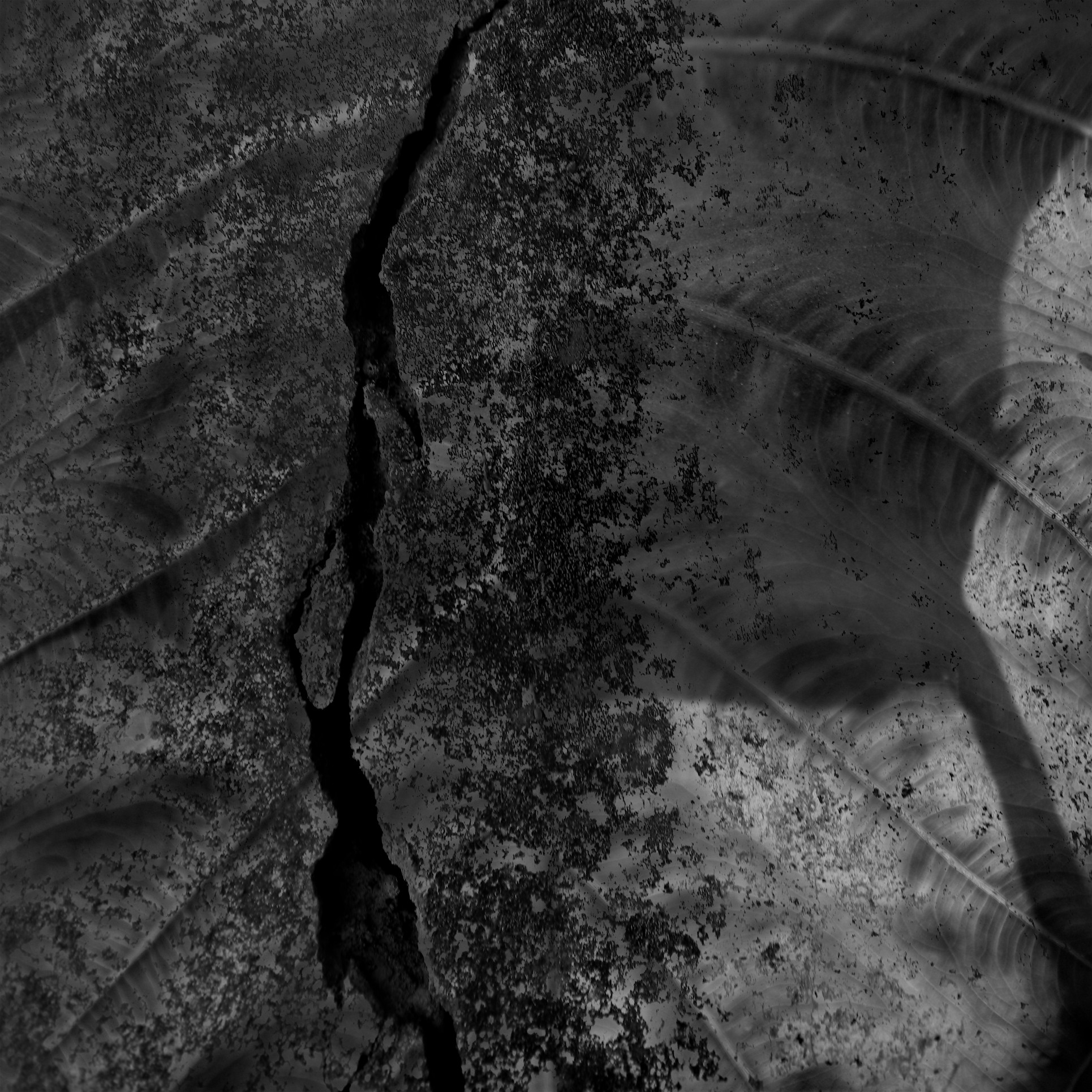
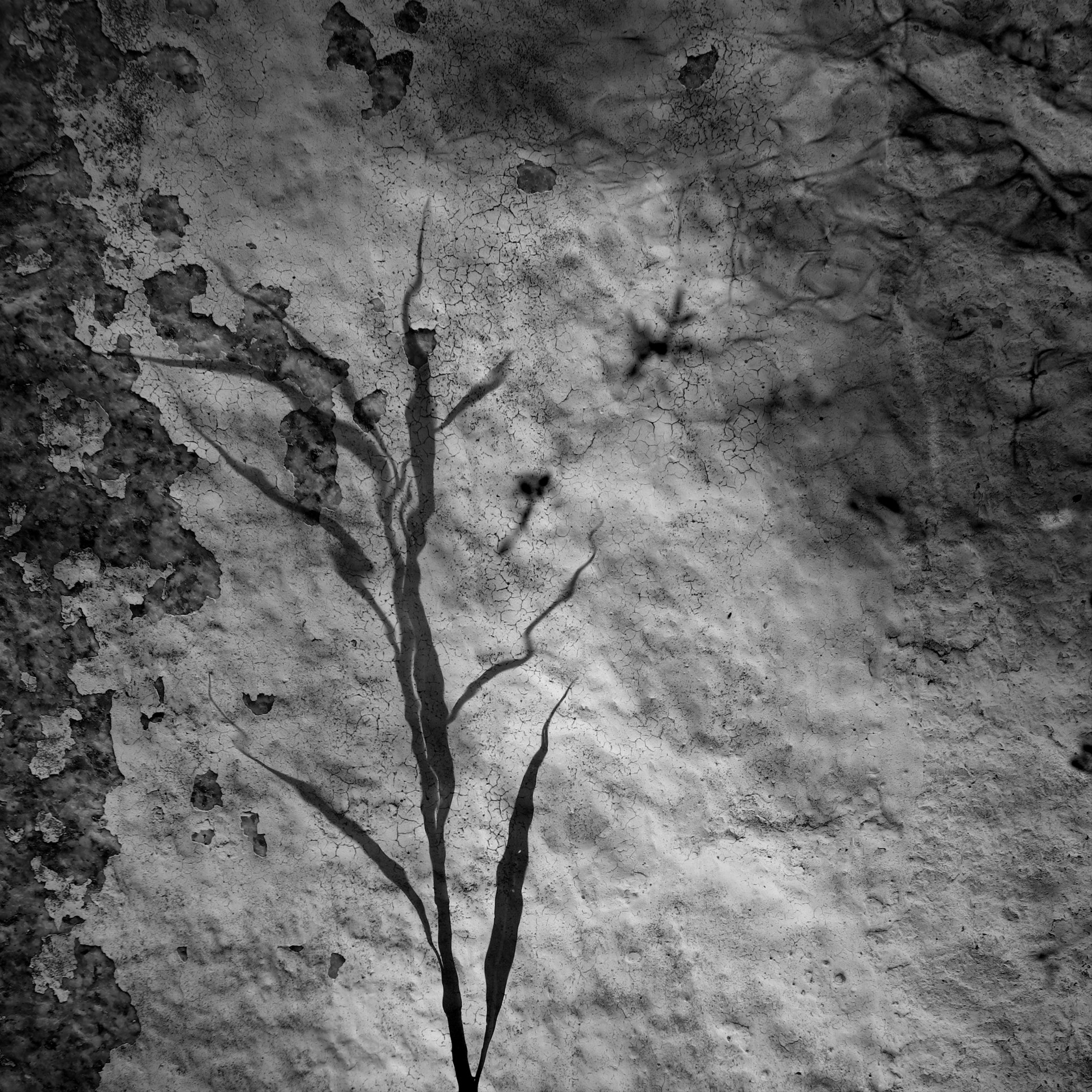
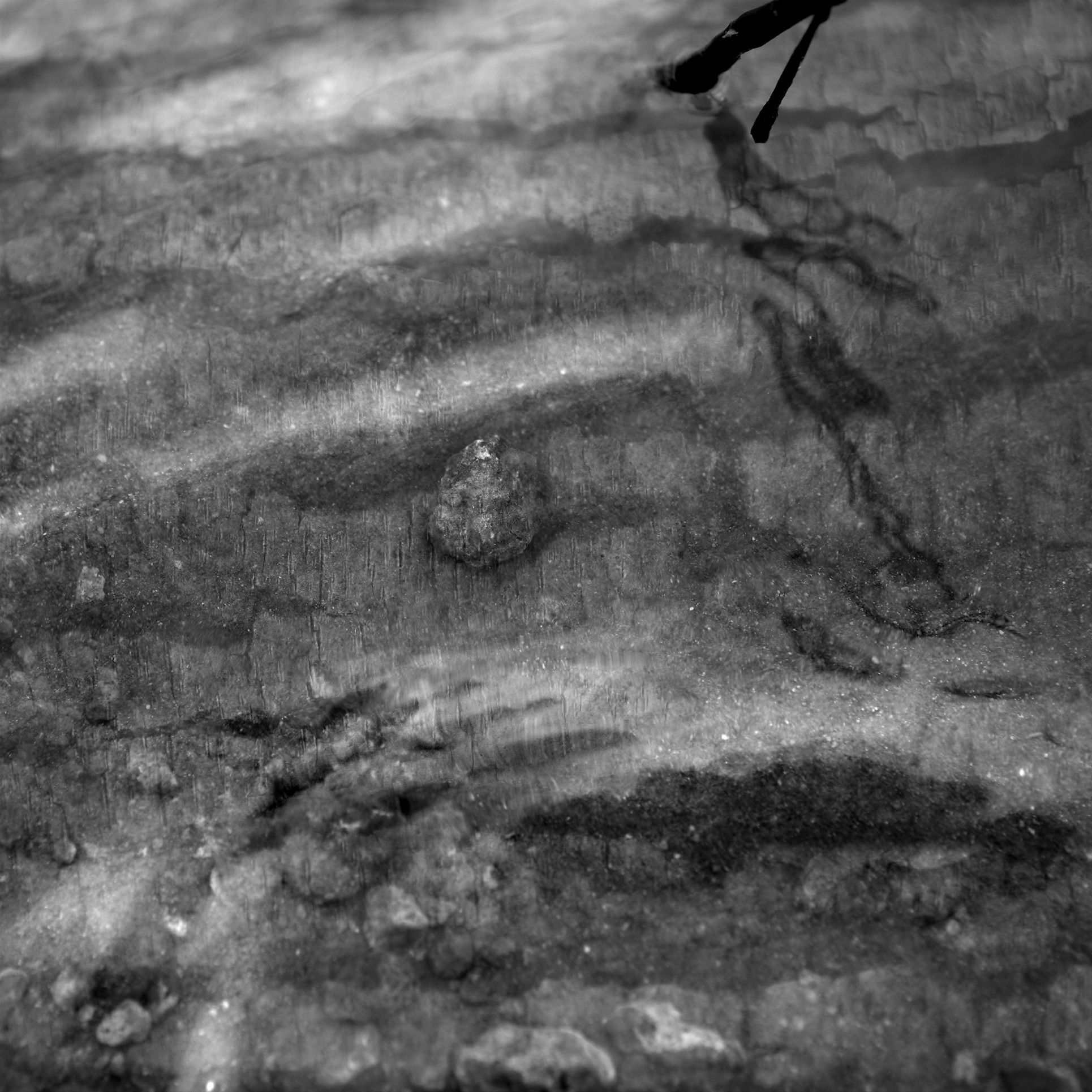
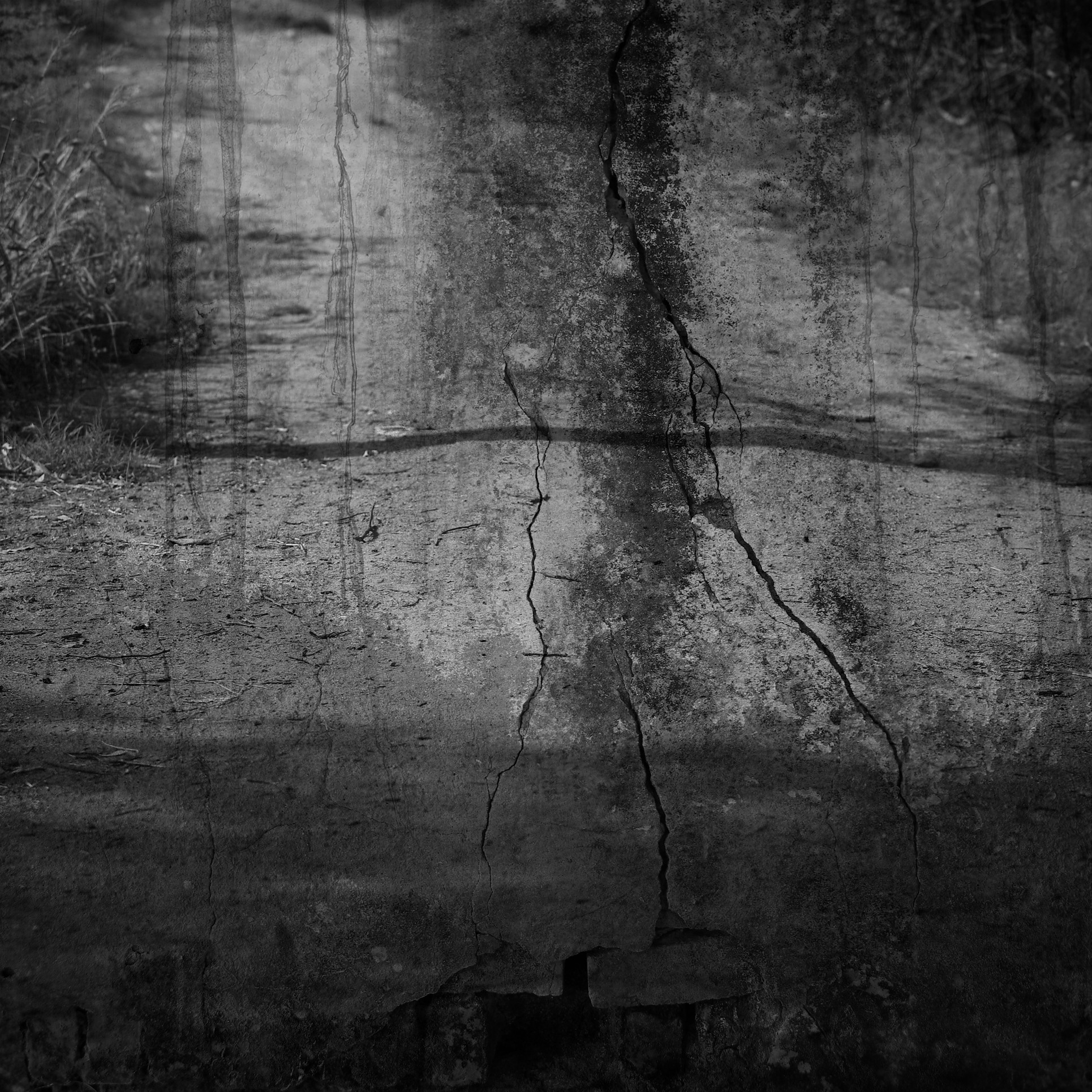
Four . 2009 . Untitled

3/3 Editions + 1 AP . Archival Pigment Print . 12" X 12"

Four . 2009 . Untitled

3/3 Editions + 1 AP . Archival Pigment Print . 12" X 12"

Four . 2009 . Untitled

3/3 Editions + 1 AP . Archival Pigment Print . 12" X 12"

Four . 2009 . Untitled

3/3 Editions + 1 AP . Archival Pigment Print . 12" X 12"

Four . 2009 . Untitled

3/3 Editions + 1 AP . Archival Pigment Print . 12" X 12"

Four . 2009 . Untitled

3/3 Editions + 1 AP . Archival Pigment Print . 12" X 12"

Four . 2009 . Untitled

3/3 Editions + 1 AP . Archival Pigment Print . 24" X 12"

Four . 2009 . Untitled

3/3 Editions + 1 AP . Archival Pigment Print . 12" X 12"

Four . 2009 . Untitled

3/3 Editions + 1 AP . Archival Pigment Print . 12" X 12"

Four . 2009 . Untitled

3/3 Editions + 1 AP . Archival Pigment Print . 12" X 12"

Four . 2009 . Untitled

3/3 Editions + 1 AP . Archival Pigment Print . 12" X 12"

Four . 2009 . Untitled

3/3 Editions + 1 AP . Archival Pigment Print . 12" X 12"

Four . 2009 . Untitled

3/3 Editions + 1 AP . Archival Pigment Print . 12" X 12"

Four . 2009 . Untitled

3/3 Editions + 1 AP . Archival Pigment Print . 12" X 12"

Four . 2009 . Untitled

3/3 Editions + 1 AP . Archival Pigment Print . 12" X 12"

Four . 2009 . Untitled

3/3 Editions + 1 AP . Archival Pigment Print . 12" X 12"

Four . 2009 . Untitled

3/3 Editions + 1 AP . Archival Pigment Print . 12" X 12"

Four . 2009 . Untitled

3/3 Editions + 1 AP . Archival Pigment Print . 12" X 12"

Four . 2009 . Untitled

3/3 Editions + 1 AP . Archival Pigment Print . 12" X 12"

Four . 2009 . Untitled

3/3 Editions + 1 AP . Archival Pigment Print . 12" X 12"

Foreword

The idea of taking my pictures beyond the composed frame was something that made me want to do a series that accomplished simply that. A vague memory of a Henri Cartier-Bresson photograph of which I didn’t remember much but what I did was a boy being very abruptly cropped out of the picture. What stuck in my mind about that picture was the fact that the boy’s shadow in the photograph conveyed what it is that he was actually doing.

My hankering to do a series that simply revolved around shadows as the dominant subject of the photograph is what lead me to ‘Feeling Absence’. Although literally, the title suggests the absence of the actual subject in the photographs, the effort has been to take it to a more profound and spiritual plane.

The work tries to explore the significance of our life on this planet and our constant inability to realize that real wisdom doesn’t have much to with intelligence but what one decides to do with it. Also, what ‘feeling’ can actually translate into rather than the analysis of things, especially when we use the word ‘appreciation’.

Although I consider abstraction as my real style of work, in this series there has been a deliberate attempt to forward its boundaries, whilst also challenging the viewer to feel more than analyze. It is in keeping with this thinking that the photographs are much smaller in size as opposed to my previous bodies of work. The texture rich works too are meant to draw the viewer closer, almost into an intimate space.

It has been implied by writers over the years that there seems to be a universal thread running through all my work, which seems to be the seeking of the true meaning of the word ’emancipated’ but in a very non religious frame of reference. At the cost of sounding like a domesticated ascetic, I must admit that this is quite true.

The treatment of this body of work finds roots in old school photography, when one experimented with a technique called multiple exposure. This simply meant photographing the same frame of film several times without actually advancing it. In ‘Feeling Absence’ I rediscovered this technique in it’s digital avatar, which helped construct the final works layer by layer.

Shibu Arakkal
Bangalore . India . 2009

Foreword

. . .

Introduction

‘Everything that we see is a shadow cast by that which we do not see’

– Martin Luther King Jr

An intuitive and sensitive artist, Shibu Arakkal has been behind the lens for over a decade. From Images of Europe to Abstract Notions and Skin, Shibu has exhibited his photographic works extensively. Old monuments, nature and human skin are some of the subjects that have fascinated him, and he has captured them from a unique perspective. A single feature that stands out in the visuals that he has created over the years is that they are no ordinary photographs. Each image comes alive with Shibu’s innate artistic sensibilities. The banal is transformed into a magical realm. Every image is not a mere snapshot in time, but a visual poetry that is a revelation, and is thought provoking. With time, Shibu has increasingly turned from figuration to abstraction, and in the past some of his photographs printed on canvas have been mistaken for abstract paintings.

In this series Feeling Absence, Shibu embarks on an exploratory journey where the subject is absent, literally, and the shadows become the dominant feature. On the surface, the shadows point towards a fleeting, elusive and often intangible reality. But, when viewed closely the poignancy evoked by these visuals propels it into a metaphysical state. This series is perhaps the most lyrically evocative work that he has done so far as it opens up boundaries that lead to a transcendental plane. Beyond aesthetics. A spiritual quest that forces one to pause and think, to probe and search for a higher consciousness. In his own words, ‘The work tries to explore the significance of our life on this planet and our constant inability to realize that real wisdom does not have much to with intelligence but what one decides to do with it’.

These recent images are smaller in format in a deliberate attempt to draw the viewer through rich textures and thereby create a more intimate interaction. Another thread of commonality that runs through these works is the absence of human form. This in turn heightens the sense of desolation and loss, nostalgia and yearning. The presence of scarred rocks, twigs and leaves is felt but not seen. Shadows of a chair, a bottle and a bell are a powerful allusion to human absence. And, the absence of colour and form in the visuals has an almost disquietening effect. A symbolic reference to the past, which is now lost. The juxtaposition of several images on a single frame enhances the expressiveness of the composition.

Reality as we know ceases to exist. The physicality is replaced by shadows and you rely on your inner eye to perceive and experience the ephemeral. Absence – physical, emotional or material creates a chasm that cannot be seen or analysed, but can only be felt. Deeply. And, here too, in Shibu’s imagery one can feel and empathise, while being forced to respond spontaneously to a quest for the emancipation of the self.

Nalini S Malaviya
Art Writer . Curator
Bangalore . India . 2009

Introduction

. . .

Artist’s Note

It isn’t unusual that with my daughter Zarah coming into this world I have felt reborn myself, even more so creatively. But so stirred have I been and working at such a restless pace, I realize that this emotion I feel is too precious to let pass in a world that is so disenchanted or disillusioned. As in turn, for one to experience work that is truly original or really impacting is so particularly rare. It is profoundly exhilerating and frightening that these footprints of mine in the sands of time will so influence and mould Zarah in time to come. If nothing else, ‘Feeling Absence’ maybe just how she gets to know my life’s work.

Shibu Arakkal
Bangalore . India . 2009

Artist’s Note

. . .